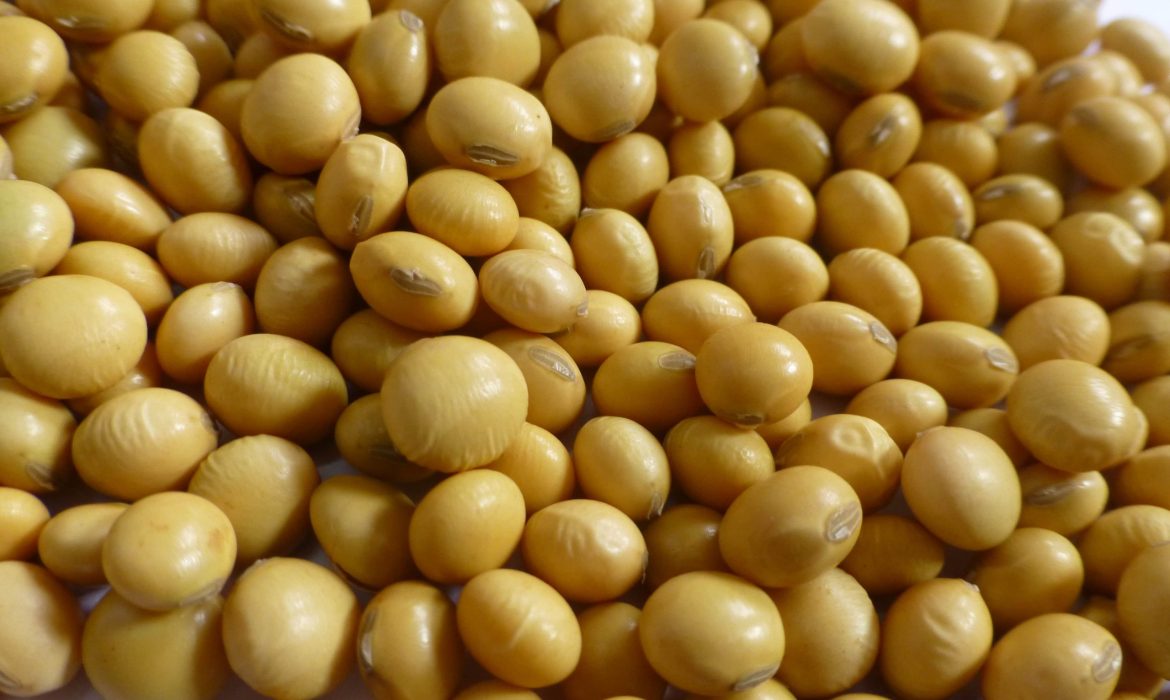
Makerere University has unveiled Maksoy 7N, a newly approved soybean variety. It was developed by the Centre for Soybean Improvement and Development. The National Variety Release Committee recently granted formal approval. Consequently, this marks a major step forward for soybean production in Uganda.
The College of Agricultural and Environmental Sciences (CAES) announced the news in a statement on Friday. Specifically, the variety was developed under Prof. Phinehas Tukamuhabwa’s leadership. The university praised the research team for this milestone. Moreover, they called it “GOOD NEWS” for Ugandan agriculture.
Maksoy 7N shows strong resistance to soybean rust. This fungal disease often causes severe yield losses across East Africa. If left unchecked, it threatens both food security and farmer incomes. However, trials show that Maksoy 7N withstands the disease well. Furthermore, it performs reliably across diverse growing conditions—from high-rainfall zones to drier areas.
In addition, the variety has excellent agronomic traits. For instance, it matures uniformly and delivers high yields. Its seeds are large, well-colored, and rich in oil. These qualities appeal to both farmers and processors. As a result, processors can rely on consistent raw materials for cooking oil and animal feed. Meanwhile, farmers gain access to stable markets and better prices.
Improved varieties like Maksoy 7N are essential for agricultural transformation. Not only do they boost productivity, but they also raise household incomes. They support better nutrition and strengthen local food systems. At the same time, they supply quality inputs to agro-processors. Therefore, they help grow Uganda’s non-traditional exports and manufacturing sectors.
CAES expressed confidence in Maksoy 7N’s potential. The college believes it will significantly enhance food security and farming resilience. In particular, they emphasized the value of homegrown research. Indeed, sustained investment in crop science is key to long-term development.
Climate pressures are rising. Simultaneously, global demand for plant-based proteins continues to grow. Given these trends, innovations like Maksoy 7N are both timely and necessary. As farmers adopt the variety, its benefits will ripple outward—from fields to markets to kitchens. Ultimately, Maksoy 7N represents more than just a new seed. Rather, it signals real progress toward a more productive, profitable, and resilient agricultural future for Uganda.
READ: Uganda Must Create 884,962 Jobs Annually to Tackle Youth Unemployment