Uganda’s public debt has risen sharply. The increase largely stems from spending on preparations for the country’s first oil production. The Ministry of Finance, Planning and Economic Development reported this in its latest update.
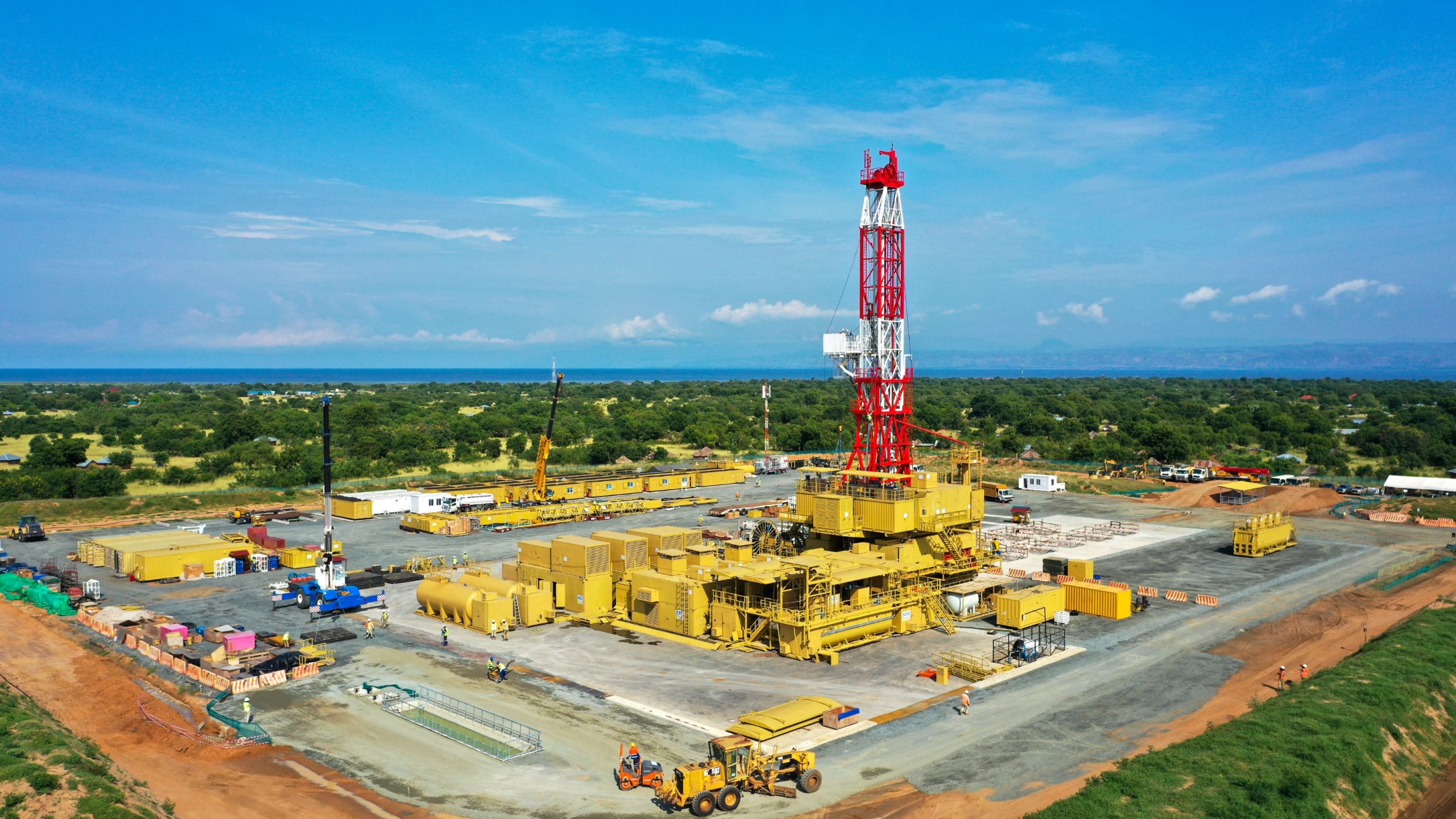
Total public debt grew from $25.59 billion in the 2023/24 financial year to $32.24 billion by June 2025. This jump reflects higher development expenditure—especially in the oil and gas sector. It also includes repayments of advances from the Bank of Uganda.
As a result, Uganda public debt as a share of GDP rose from 46.6% in June 2024 to 50.9% a year later. The ministry expects the ratio to peak at 55.5% by June 2026. After that, it should gradually fall and drop below 50% by 2030/31.
This projected decline depends on future oil revenues and tighter fiscal control. Officials say the current debt level carries only a moderate risk of distress. They also affirm that Uganda public debt remains sustainable over the medium to long term.
The government backs this view with its fiscal consolidation strategy. The plan focuses on boosting domestic revenue, cutting unnecessary spending, and rolling out the Tenfold Growth Strategy. In addition, oil exports will soon generate new income. These funds should ease borrowing pressure and support economic stability.
In short, Uganda public debt has grown due to strategic oil-related investments. Yet with sound policies and upcoming oil revenues, the country aims to keep debt manageable while advancing development goals.
READ: Makerere University Launches New Soybean Variety Maksoy 7N