Kampala, the capital city of Uganda, is known not only for its vibrant culture and rolling green hills but also for a collection of historical landmarks that tell the story of the city’s past. From sites of ancient heritage and spiritual significance to symbols of independence and architectural achievements, Kampala’s historical places are windows into the layers of history that have shaped Uganda’s identity. Exploring these landmarks brings to life traditions, colonial history, cultural resilience and changing political landscapes.
This article highlights some of the most significant historical landmarks in Kampala, explaining their origins, cultural importance and why they remain meaningful today.
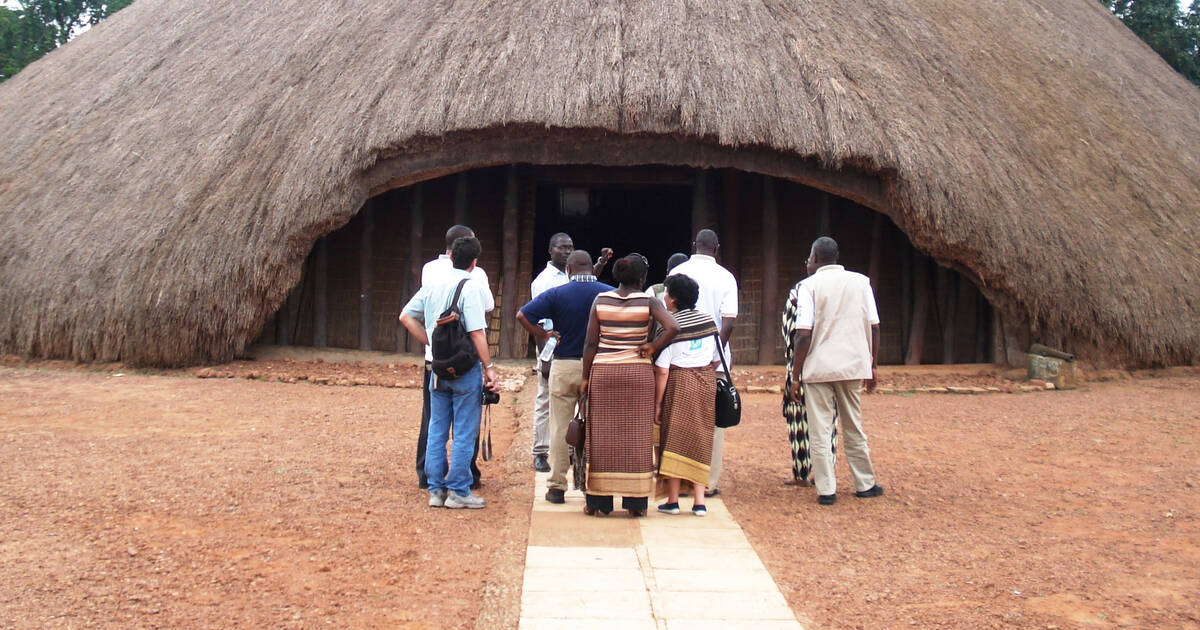
Kasubi Tombs – A UNESCO World Heritage Site
The Kasubi Tombs are one of Uganda’s most revered heritage sites and a UNESCO World Heritage Site. Located on a hill in northern Kampala, this ceremonial burial site is the resting place for four Buganda kings, known as Kabakas. The traditional thatched structures reflect ancient Baganda architecture made from organic materials such as timber and reeds. These structures are not only symbolic tombs but also repositories of cultural identity, rituals and historical memory for the Buganda Kingdom.
Visitors to Kasubi learn about the traditions of succession, royal customs and the spiritual significance of the site in Buganda culture. The tombs have survived periods of neglect, conflict and restoration efforts, symbolizing cultural endurance.
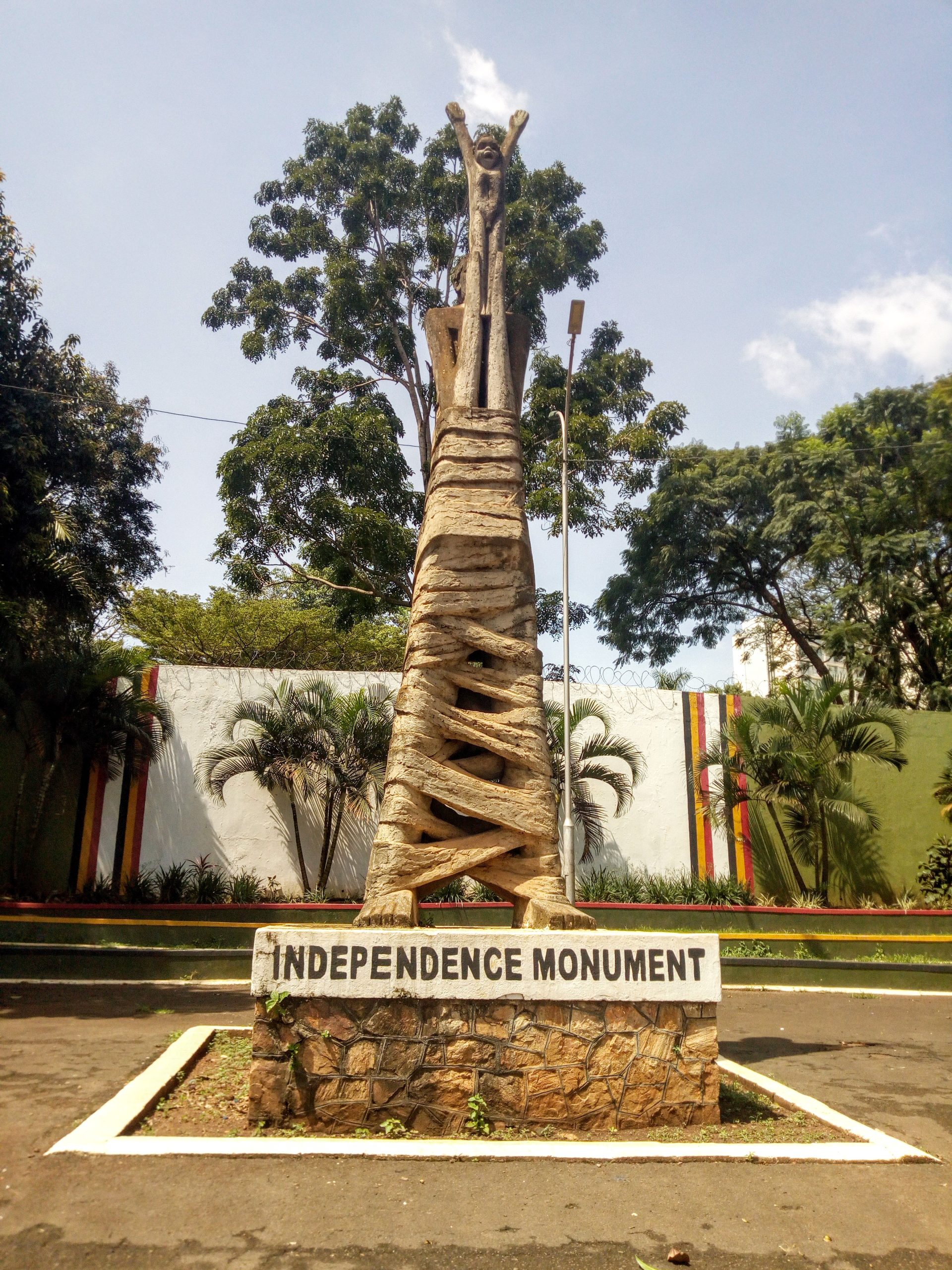
Independence Monument – A Symbol of Freedom

Standing proudly at the heart of Kampala’s city center near the Clock Tower, the Independence Monument commemorates Uganda’s independence from British colonial rule on October 9, 1962. Designed by architect Gregory Maloba, the monument features a pair of hands lifting a torch — a symbol of hope, freedom and unity.
The site is a popular stop for history enthusiasts, guides often explaining how independence was achieved through political activism, negotiation and national resolve. Surrounding the monument are government buildings and public spaces that echo the city’s political evolution.
Bahai Temple – A Spiritual Landmark

Perched on a hill in Kampala is the Bahai Temple, also called the Bahai House of Worship, one of only a few in Africa. Completed in the mid‑20th century, this temple is open to people of all backgrounds and spiritual beliefs. Its unique architecture — a lotus‑shaped structure that captures light and serenity — makes it a place of contemplation, peace and unity.
The gardens surrounding the temple add to its tranquil atmosphere. While not solely a historical site tied to colonial or pre‑colonial history, the Bahai Temple represents an important chapter in Uganda’s religious diversity and international spiritual movements that took root in Kampala.
Namirembe Cathedral – Uganda’s Oldest Anglican Church

Namirembe Cathedral stands on Namirembe Hill and is one of the oldest Anglican cathedrals in Uganda. The site has served as the provincial headquarters of the Church of Uganda since the late 19th century. Its gothic‑inspired architecture, tall spires and stained glass windows reflect a blend of local craftsmanship and historical missionary influence.
The cathedral grounds are peaceful, and visitors can explore church history, memorial plaques and traditional services that continue to draw worshippers. Namirembe’s role in education and community development throughout Uganda’s history adds to its significance.
Uganda Museum – Preserving Cultural Heritage
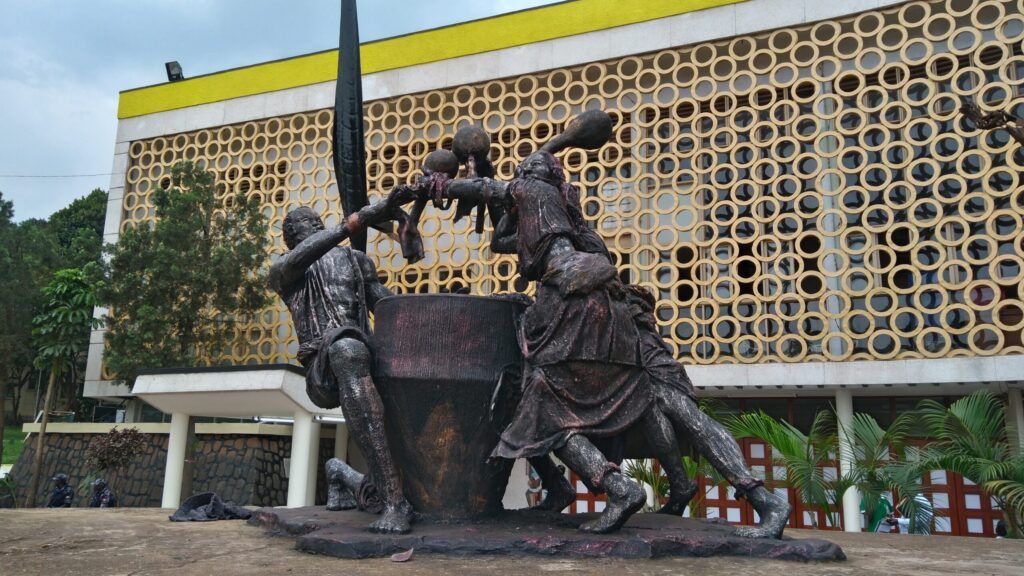
Located near the Entebbe Road in Kampala, the Uganda Museum is the oldest museum in East Africa. It preserves artifacts that span Uganda’s cultural and natural history — from traditional tools, musical instruments, and tribal art to fossils and wildlife exhibits. The museum offers a comprehensive look at how Ugandan societies evolved over centuries, the diversity of ethnic groups, and the country’s ecological heritage.
Families, students and tourists find the museum educational, with displays that connect past and present through stories, objects and interactive exhibits.
Gaddafi National Mosque – Architectural Grandeur
The Gaddafi National Mosque, sometimes called the National Mosque or Kampala Mosque, is one of the largest mosques in East Africa. Built with funding from Libya’s former leader Muammar Gaddafi and completed in the early 21st century, the mosque stands as an architectural landmark with its striking golden dome and grand courtyard.
While not as ancient as other sites, the mosque’s presence is historically relevant as a symbol of religious expression and modern architectural influence in Kampala. Visitors can explore its prayer halls and climb to vantage points that reveal panoramic views of the city.
Cultural Heritage and Walking Tours
Exploring Kampala’s historical landmarks is enriched by guided walking tours offered by local historians and cultural guides. These tours weave together stories of tradition, colonial encounters, religious change and national identity. Walking through areas around Kabaka’s Palace sites and colonial buildings reveals how the city evolved from a cluster of hill‑top communities to Uganda’s political and cultural capital.
Conclusion
Kampala’s historical landmarks offer more than scenic views — they are gateways into the narratives that shaped Uganda’s past. From sacred burial grounds and symbols of independence to religious diversity and museums preserving cultural memory, each site tells a story of resilience, identity and change.
Visiting these landmarks invites both residents and travelers to reflect on the layers of history that contribute to Kampala’s vibrant present. These places help us appreciate cultural diversity, historical courage and the rich tapestry of events that continue to define Uganda.
If you’d like a travel itinerary that covers these landmarks in a day or over a weekend, I can help you design one based on your interests!