Internet blackout ahead of Uganda’s presidential vote sparks fears over transparency, civil liberties, and democratic participation
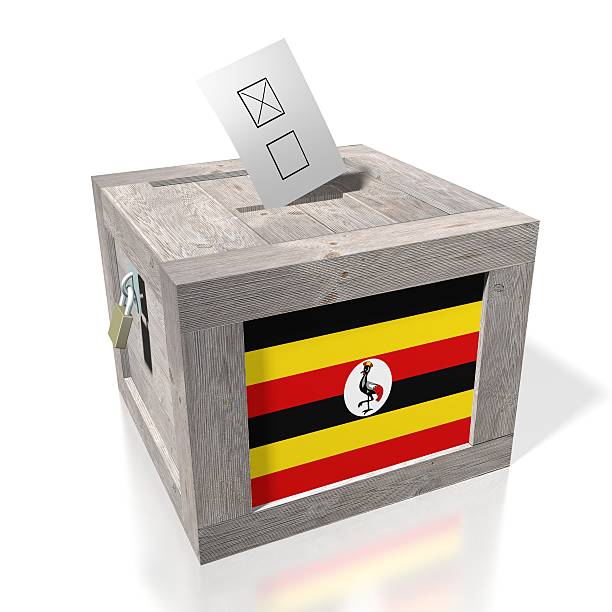
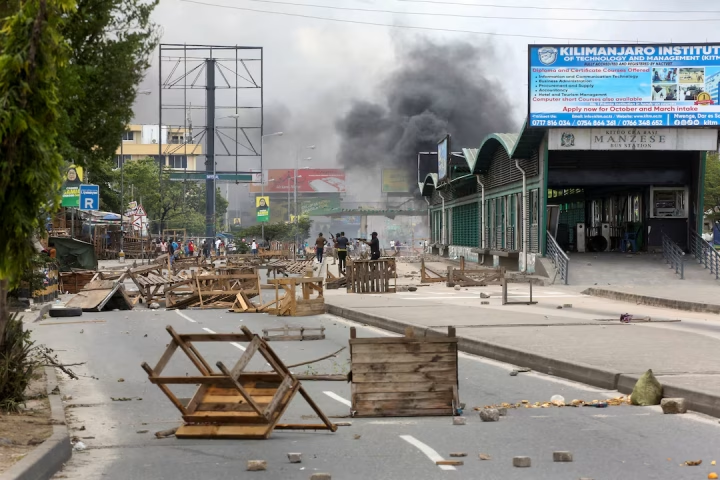
The Uganda internet shutdown election has triggered widespread concern after authorities imposed a nationwide blackout just hours before voters headed to the polls. The move has intensified fears over electoral transparency, freedom of expression, and the integrity of the democratic process in the East African nation.
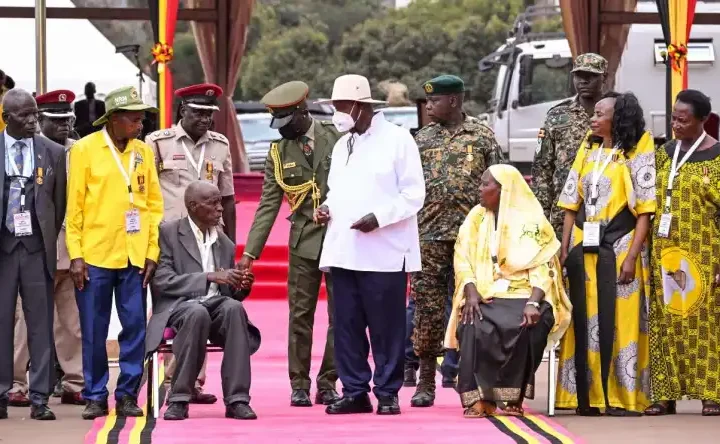
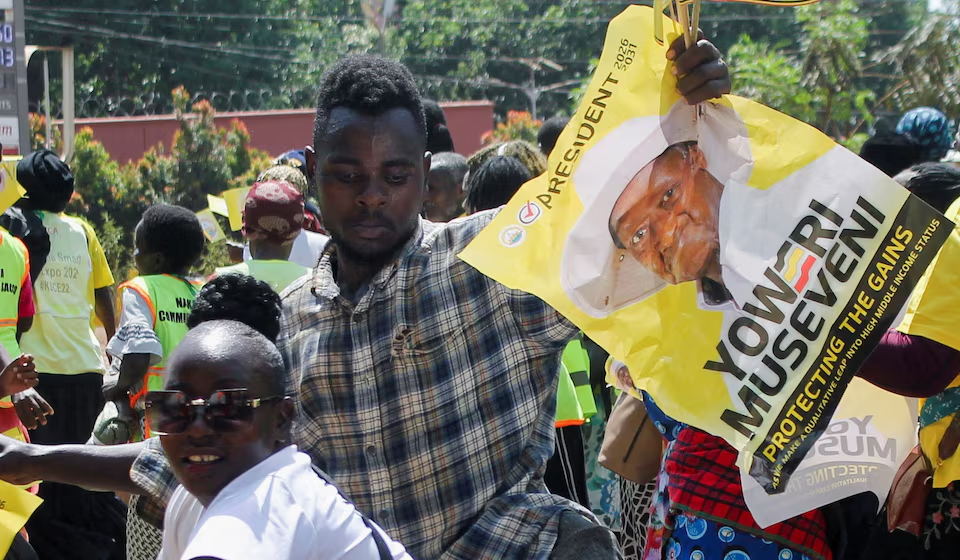
Uganda is holding a highly contested presidential election marked by a sharp generational divide. Long-serving President Yoweri Museveni, who has ruled the country for decades, faces a renewed challenge from opposition leader and popular musician-turned-politician Bobi Wine. The contest has drawn intense domestic and international attention as voters weigh continuity against calls for political reform.
Government officials and the electoral commission defended the internet shutdown by citing the need to prevent misinformation, digital manipulation, and potential election-related disruptions. However, critics argue that restricting online access undermines independent reporting, limits election monitoring, and restricts citizens’ ability to communicate freely during a crucial democratic moment.
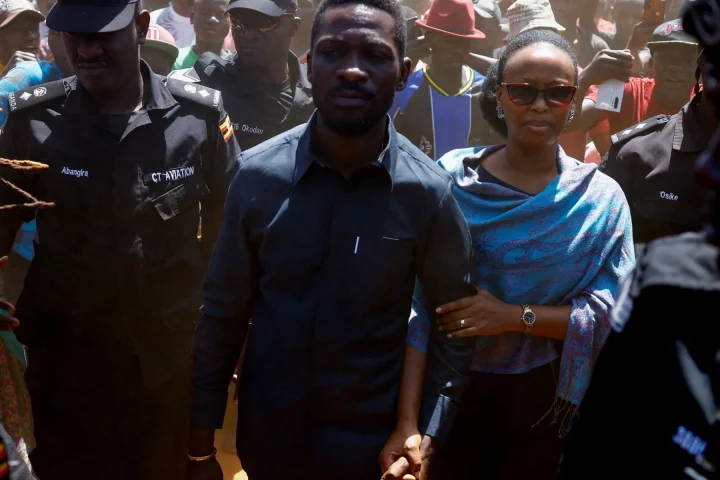
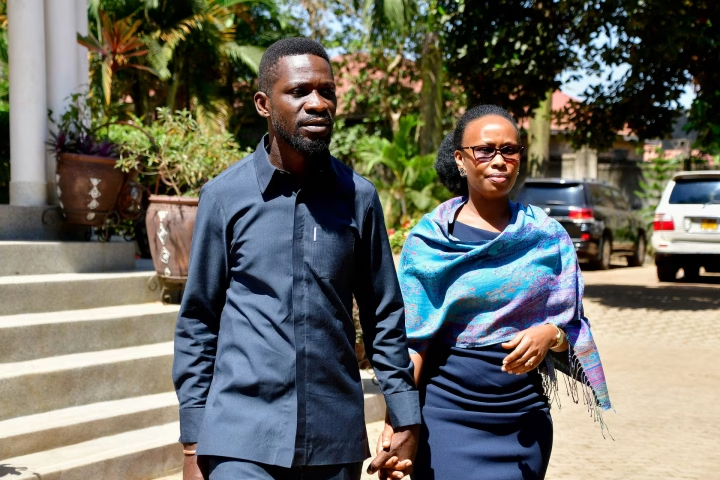
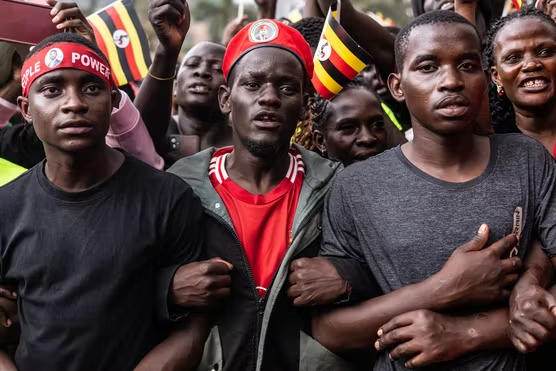
Bobi Wine has condemned the blackout, urging supporters to remain peaceful while staying engaged in the voting process despite the communication barriers. His campaign has resonated strongly with younger voters who see him as a symbol of change in contrast to the aging political establishment.
Human rights groups and election observers warn that the internet shutdown could weaken public trust in the election outcome. With social media and digital platforms playing a key role in modern civic engagement, the loss of connectivity raises concerns about accountability, transparency, and access to real-time information.
As Uganda moves forward with voting under restricted digital conditions, the Uganda internet shutdown election is likely to remain a focal point of global debate on democracy, governance, and the balance between national security and civil liberties in Africa.