The Kabale lightning strike has killed three primary school pupils after a sudden downpour turned fatal in Buhara sub-county on Sunday afternoon.
The incident occurred between 1:00 p.m. and 2:00 p.m. in Kahama village, Kafunjo parish, where the children had sought shelter in a kitchen while preparing a meal. However, lightning struck the structure during the storm, killing all three instantly.
Local authorities quickly confirmed the identities of the victims following the Kabale lightning strike. Kahama Village LC1 chairperson Mr Benon Turihohabwe named them as Daphine Musimiseki, a Primary Four pupil, and her sister Shine Ainebyoona. Both were daughters of Yosam Tukwasibwe. In addition, the third victim, Faith Namanya, was a Primary Five pupil and daughter of Lenad Rukarekoha.
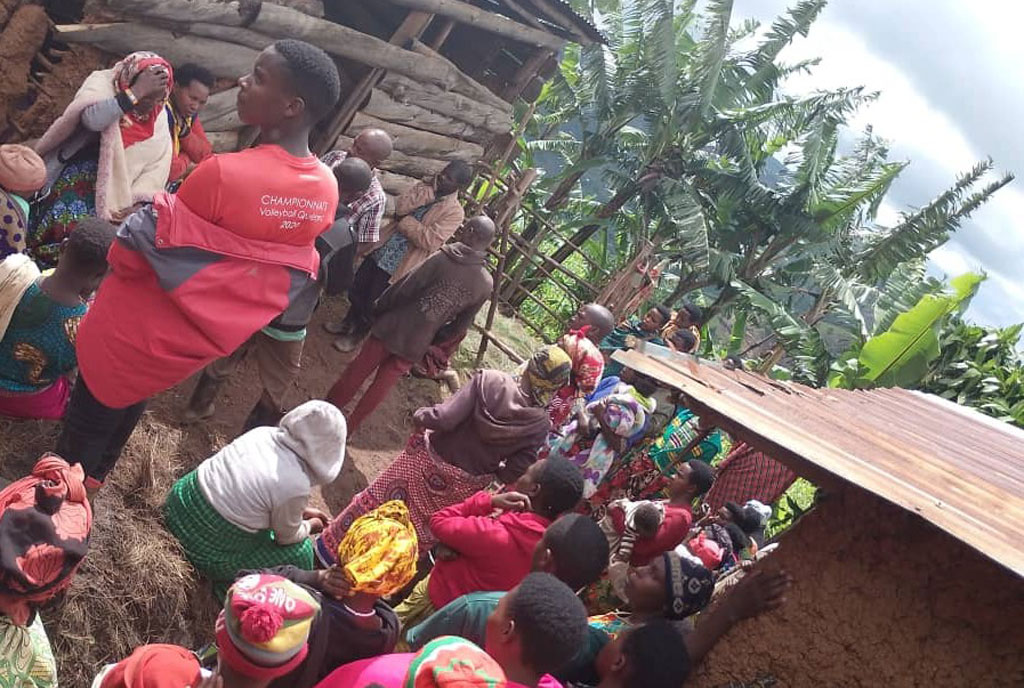
According to Mr Turihohabwe, the children died on the spot when lightning hit the kitchen. At the time, their parents had gone to church for Sunday prayers. He described the incident as unprecedented in the area and said the community had never witnessed such a tragedy before. He also noted that preparations for burial began immediately, with ceremonies scheduled for Monday.
Meanwhile, Mr Turihohabwe recalled hearing a loud thunderclap and seeing a flash of lightning as he returned from church. At that moment, he did not realize that the Kabale lightning strike had claimed the lives of the children. The community only discovered the full extent of the tragedy later.
Residents retrieved the bodies on Monday morning after local cultural experts conducted a ceremony. Such practices often precede the handling of bodies in lightning-related deaths in parts of rural Uganda. Consequently, the recovery process took place with both cultural and community involvement.
At Bwera Primary School, grief spread quickly following news of the Kabale lightning strike. Head teacher Mr Edison Bikorwomuhangi described the pupils as disciplined and academically promising. He said the school had high hopes for their future, noting that they excelled in both sports and class performance.
He also used the moment to call for stronger safety measures. In particular, he urged authorities and stakeholders to install lightning conductors at the school. He stressed that the school sits in the same village where the tragedy occurred, which increases the urgency of preventive action.
For the families, the loss has been devastating. Yosam Tukwasibwe, the father of the two sisters, said he and his wife were attending church when the incident happened. He described the scene they returned to as horrifying and deeply painful. He added that the family now has only two remaining children, as one child survived after spending the afternoon grazing animals elsewhere.
The Kabale lightning strike has also revived memories of a similar incident in the area. In August last year, lightning killed a 60-year-old woman, Mereverina Koyekyeka, in Rugarama village within the same sub-county. At the time, her 12-year-old daughter sustained injuries during the storm.
Such repeated incidents highlight broader concerns about lightning safety in rural communities. Many homes and public buildings lack protective systems, which increases vulnerability during heavy rains. Experts often advise avoiding open structures and installing lightning conductors to reduce risk.
Across Uganda, lightning strikes continue to pose a serious hazard, especially during peak rainy seasons. According to the Uganda National Meteorological Authority, thunderstorms frequently intensify in highland areas such as Kabale, where weather patterns shift rapidly. As a result, communities require stronger awareness and preparedness measures.
Ultimately, the Kabale lightning strike stands as a tragic reminder of the dangers posed by extreme weather. The loss of young lives has shaken the community and raised urgent questions about safety. In the days ahead, both local leaders and residents will likely push for practical steps to prevent such incidents from recurring.