Uganda electricity exports have recorded a sharp rise, signaling strong momentum in the country’s energy sector. According to the latest report from the Bank of Uganda, export earnings jumped to $72 million between March 2025 and February 2026. As a result, this marks a 34 percent increase from the previous period.
Previously, Uganda earned $48 million in electricity exports during the same timeframe. However, the latest figures show a significant leap. This growth highlights the country’s expanding role in regional energy trade. It also reflects increased demand from neighboring markets.
The rise in Uganda electricity exports comes at a time when the country continues to invest in power generation. Over the past decade, Uganda has developed large hydropower projects. Consequently, these investments have increased generation capacity and reduced domestic shortages.
At the same time, the country has positioned itself as a key electricity supplier in East Africa. Neighboring countries such as Kenya, Rwanda, and South Sudan rely on imported power. Therefore, Uganda has taken advantage of this demand to grow its export earnings.
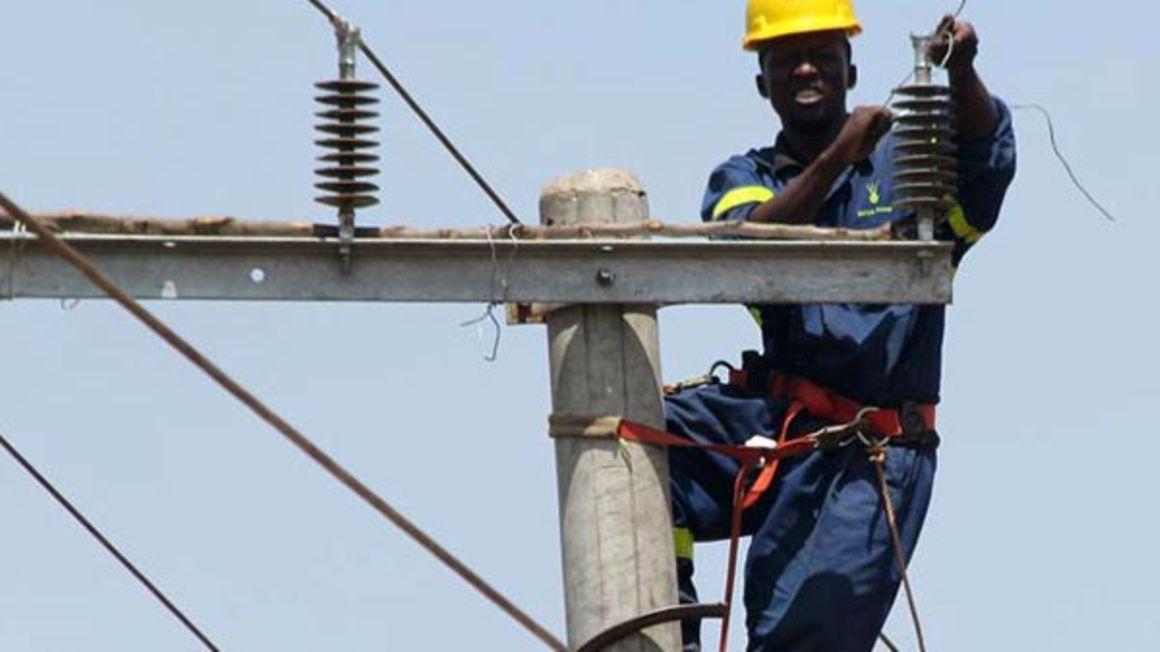
In addition, improved transmission infrastructure has supported this expansion. New interconnection lines now allow electricity to flow more efficiently across borders. As a result, Uganda can supply power more reliably to regional markets. This has strengthened confidence among trading partners.
Moreover, the growth in Uganda electricity exports reflects broader economic gains. Export revenue from electricity provides foreign exchange earnings. These earnings help stabilize the national currency and support economic growth. In turn, the energy sector becomes a key contributor to national development.
However, this growth did not happen by chance. The government has pursued deliberate policies to expand the power sector. For instance, it has encouraged investment in energy infrastructure. It has also prioritized regional cooperation in electricity trade.
Furthermore, Uganda’s surplus power generation has created new opportunities. When domestic demand remains low, excess electricity can be exported. This ensures that production does not go to waste. At the same time, it generates income for the country.
The increase in Uganda electricity exports also highlights the importance of regional integration. East African countries continue to strengthen energy cooperation. Through shared infrastructure and agreements, they can trade electricity more efficiently. As a result, the region benefits from stable and affordable power supply.
Even so, challenges remain. Uganda must continue to expand its transmission network. Without adequate infrastructure, it may struggle to meet growing demand. In addition, maintaining consistent power supply is essential for long-term contracts.
At the same time, pricing remains a key factor. Competitive tariffs will determine Uganda’s ability to attract buyers. Therefore, policymakers must balance affordability with profitability. This will ensure sustainable growth in Uganda electricity exports.
Looking ahead, the outlook remains positive. Demand for electricity across East Africa continues to rise. As economies grow, industries require more power. Consequently, Uganda stands to benefit from increased exports.
In conclusion, the latest figures confirm a strong upward trend. The jump to $72 million reflects both investment and opportunity. If managed well, Uganda electricity exports could become a major pillar of the economy.