The Uganda national budget often raises difficult questions about priorities and fairness in public spending. Many citizens wonder why institutions like Mulago National Referral Hospital receive less funding than State House. As a result, this concern highlights deeper issues about how resources are allocated.
At first glance, the Uganda national budget may seem technical and distant. However, it directly shapes everyday life. It determines how hospitals operate, how schools function, and how infrastructure develops. Therefore, understanding it becomes essential for citizens, policymakers, and businesses alike.
In many cases, sectors such as health, education, agriculture, and trade appear underfunded. Yet these sectors drive economic growth and social welfare. This contrast raises concerns about whether spending aligns with national needs. Consequently, it fuels debate about fairness and efficiency.
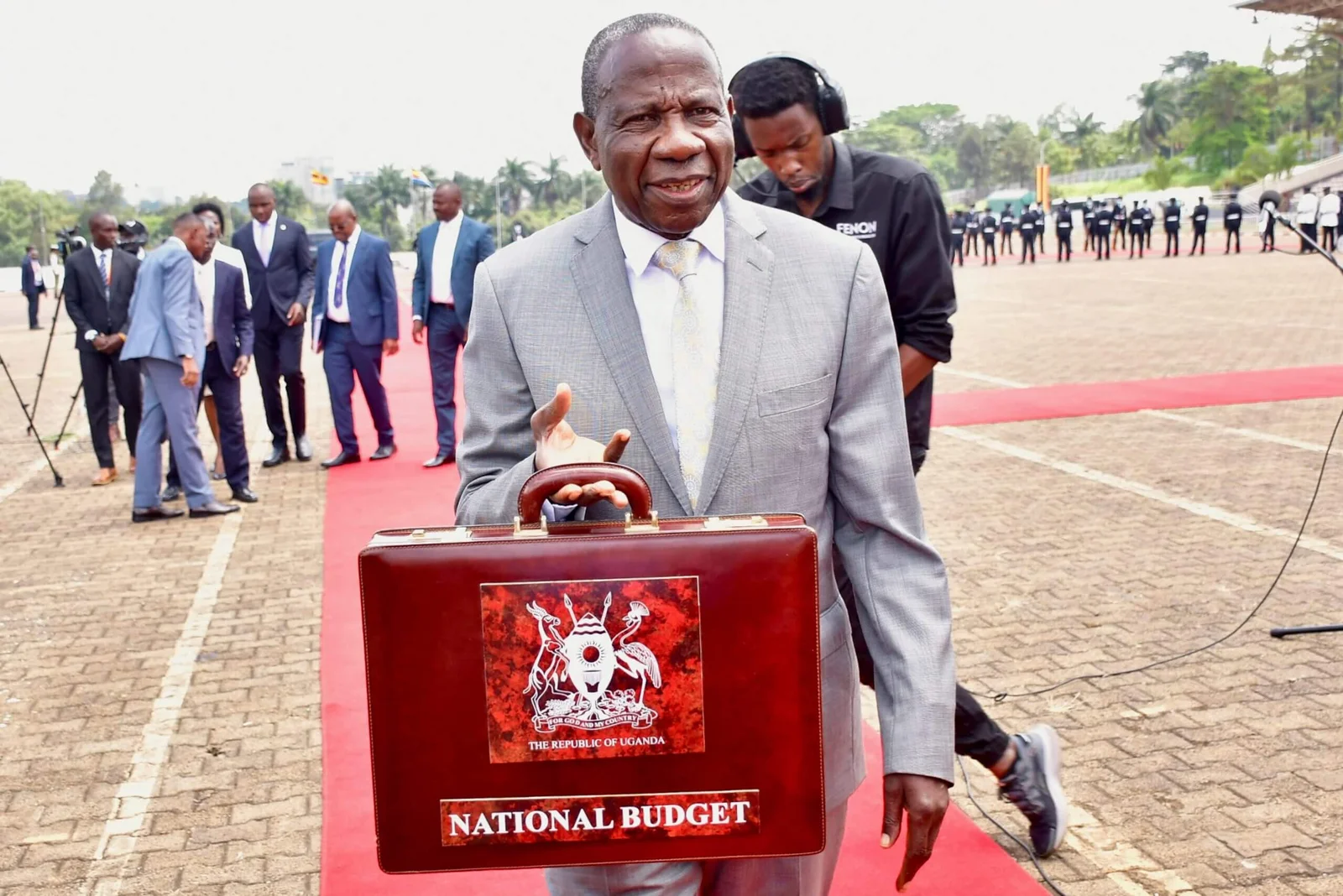
To begin with, the Uganda national budget follows a structured process. The Ministry of Finance prepares initial proposals based on government priorities. Then, Parliament reviews and debates these allocations. Finally, approved funds are released for implementation. Each step involves decisions that affect millions of people.
However, the process does not always translate into balanced outcomes. Political priorities often influence funding decisions. For example, administrative and security institutions may receive higher allocations. Meanwhile, social sectors sometimes struggle with limited funding. As a result, service delivery can suffer.
In addition, budget constraints play a major role. Uganda operates within limited revenue capacity. Therefore, the government must balance competing demands. It must fund infrastructure, security, and public services at the same time. This balancing act often leads to tough trade-offs.
Moreover, the Uganda national budget reflects long-term strategic goals. The government may prioritize projects that promise future economic returns. For instance, infrastructure investments can boost trade and industrial growth. However, these investments may reduce short-term funding for sectors like health or education.
At the same time, inefficiencies in budget execution affect outcomes. Even when funds are allocated, delays or mismanagement can limit impact. In some cases, resources fail to reach intended beneficiaries. Therefore, improving implementation is just as important as allocation.
Transparency also remains a key concern. Many citizens find it difficult to access or understand budget information. As a result, public participation remains low. Yet informed citizens can demand better accountability. This can lead to more balanced and effective spending decisions.
Furthermore, the Uganda national budget plays a critical role in economic stability. It influences inflation, investment, and employment. For example, increased spending in key sectors can stimulate growth. On the other hand, poor allocation can slow development.
It is also important to consider the role of external factors. Donor funding and global economic conditions affect the budget. When external support declines, the government must adjust its spending. Consequently, this can impact essential services.
In recent years, calls for reform have grown stronger. Experts argue for a more inclusive budgeting process. They suggest greater focus on sectors that directly impact livelihoods. In particular, agriculture, health, and education require consistent investment. Strengthening these areas can drive sustainable growth.
Ultimately, the Uganda national budget is more than a financial document. It reflects national priorities and values. It shows where the country chooses to invest its future. Therefore, understanding it helps citizens engage in meaningful discussions about development.
In conclusion, the questions surrounding budget allocations are valid and necessary. They encourage transparency and accountability. As Uganda continues to grow, aligning spending with national needs will remain essential.