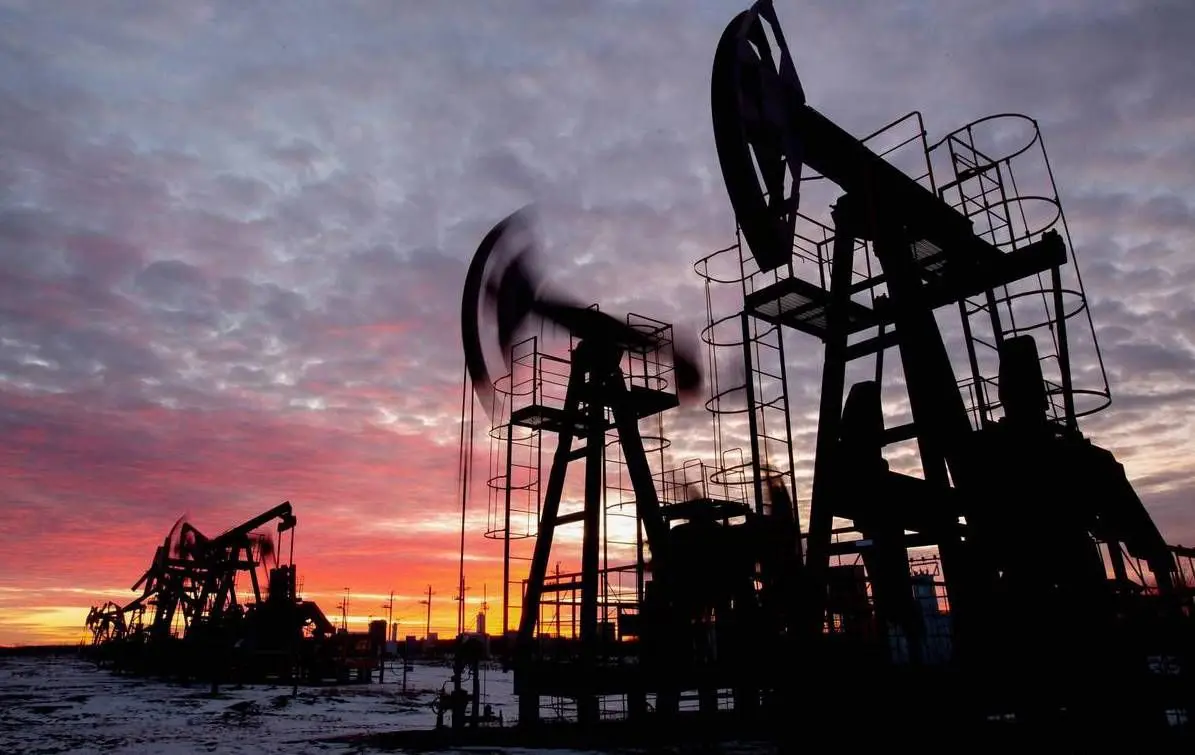
Oil prices fall as renewed US Iran diplomacy offsets supply shock from a sweeping maritime blockade, reshaping short-term energy market expectations.
Global oil markets shifted lower for a second consecutive session as diplomatic signals between Washington and Tehran tempered earlier supply fears. The decline followed a volatile start to the week, when crude briefly surged above $100 per barrel amid escalating military tensions.
Brent crude fell below the $100 threshold, while U.S. West Texas Intermediate recorded sharper intraday losses. Traders adjusted positions as expectations of renewed negotiations reduced the probability of prolonged disruption in global oil flows.
At the center of the market recalibration lies a complex interaction between geopolitical risk and supply constraints. The United States has effectively halted maritime trade linked to Iran, targeting a channel that accounts for roughly 90% of the country’s economic activity.
Supply Shock Meets Diplomatic Signals
The blockade has already produced tangible effects. U.S. forces intercepted multiple Iran-linked oil tankers, while vessels, including sanctioned carriers, reversed course near the Strait of Hormuz.
This disruption threatens a key artery of global energy trade. The Strait of Hormuz facilitates a significant share of crude and liquefied natural gas shipments, particularly to Asia and Europe. When flows tighten, prices typically rise due to scarcity concerns.
However, the market response has diverged from that pattern. The reason lies in shifting expectations rather than current supply alone. President Donald Trump indicated that negotiations with Iran could resume within days, signaling a possible diplomatic off-ramp.
“I think you’re going to be watching an amazing two days ahead,” Trump said, suggesting a deal remains preferable to extended conflict.
That statement altered trader sentiment. Oil markets often price forward-looking scenarios, and the prospect of resumed talks reduced the perceived duration of supply disruptions.
Market Mechanics and Price Adjustment
When geopolitical tension escalates, oil prices typically rise due to anticipated supply shortages. Conversely, when diplomatic progress appears likely, prices tend to retreat as risk premiums unwind.
In this case, oil prices fall because traders reassessed the likelihood of sustained supply constraints. While the blockade remains in place, the potential for negotiations introduces uncertainty around its duration.
Vice President JD Vance reinforced cautious optimism, noting that while mistrust persists, progress remains possible. “You are not going to solve that problem overnight,” he said, acknowledging the complexity of the negotiations.
This measured tone has contributed to a partial stabilization of broader financial markets. Asian equities moved higher, and the U.S. dollar steadied after recent declines, reflecting reduced demand for safe-haven assets.
Structural Risks Remain Elevated
Despite the near-term price decline, structural risks continue to underpin the oil market. The U.S. has signaled it will not renew sanctions waivers for Iranian oil shipments, potentially tightening supply further in the coming weeks.
At the same time, the expiration of a similar waiver on Russian oil adds another layer of constraint. Together, these measures could remove significant volumes from global supply chains.
Importers have already begun seeking alternative sources. Countries in Asia and Europe, heavily reliant on Gulf exports, face increased procurement costs and logistical challenges.
The conflict has also led to partial closure of the Strait of Hormuz by Iran, compounding the disruption. Even limited restrictions in this corridor can have outsized effects on global pricing due to its strategic importance.
Negotiation Dynamics and Market Outlook
The core sticking point in ongoing talks remains Iran’s nuclear program. Washington has proposed a long-term suspension, while Tehran favors a shorter timeline.
According to officials familiar with the discussions, back-channel diplomacy has narrowed the gap between the two sides. This progress has reinforced market expectations that a negotiated settlement remains plausible.
Rafael Grossi, head of the International Atomic Energy Agency, suggested that compromise is achievable. He described the duration of any enrichment moratorium as a political decision, signaling flexibility in the negotiation framework.
However, external factors complicate the outlook. Continued military activity involving Israel and Hezbollah introduces additional uncertainty. Such developments can quickly reverse market sentiment and reintroduce volatility.
Broader Implications for Energy Markets
The current episode illustrates how quickly oil markets can pivot in response to geopolitical signals. Supply disruptions alone do not dictate price movements; expectations about future conditions often play a more decisive role.
For producers, lower prices may reduce revenue expectations in the short term. For consumers, the decline offers temporary relief from energy cost pressures.
Yet the underlying volatility underscores the fragility of global energy systems. Concentration of supply routes, reliance on politically sensitive regions, and the interplay of sanctions all contribute to persistent instability.
Analysts caution that while oil prices fall in the near term, the broader trend remains uncertain. Any breakdown in negotiations could trigger a rapid reversal, pushing prices higher once again.
The fact that oil prices fall despite a major supply disruption highlights the dominance of expectations in modern commodity markets. Investors are pricing diplomacy as a central variable.
For policymakers, the episode reinforces the importance of communication and signaling. Even incremental progress in negotiations can materially influence global markets.
For businesses and consumers, the situation remains fluid. Energy costs may fluctuate sharply depending on geopolitical developments, affecting inflation, trade balances, and economic growth.
In the coming days, markets will closely monitor the outcome of renewed talks. Whether diplomacy can sustain the current downward pressure on prices remains the key question shaping the global energy outlook.