Uganda’s growing online animal rescue scandal has drawn international attention after police and activists rescued dozens of dogs from alleged sham shelters in central Uganda.
Authorities raided two shelters in Mityana District after a BBC investigation exposed claims of animal abuse and online fraud. Investigators say operators used disturbing videos of injured dogs to attract donations from foreign supporters.
Police arrested Owen Godfrey Membe during the operation. He later appeared in court and denied charges linked to animal cruelty under Uganda’s Animals (Prevention of Cruelty) Act.
Prosecutors accuse Membe of killing an animal in an unnecessarily cruel manner. The court remanded him until 27 May as investigations continue.
Animal rights activists say two additional suspects connected to nearby operations remain on the run.
The rescued dogs still remain at the raided compounds. However, the Animal Welfare Alliance Uganda now manages their care. The coalition includes local activists, international partners and trained veterinarians.
Veterinary teams have already started examining the animals. Several dogs reportedly arrived weak, injured and severely malnourished.
The organisation has also secured land for an emergency rescue centre. Activists say the new facility will provide treatment and rehabilitation for the rescued dogs.
The Uganda dog shelter scam emerged after months of growing concern over social media fundraising campaigns. Investigators say operators posted emotional videos of suffering dogs to manipulate international donors.
The BBC investigation revealed that many campaigns misled supporters about how operators used the money. Instead of improving animal welfare, some suspects allegedly spent donations on luxury lifestyles and personal expenses.
Undercover footage also raised concerns about deliberate abuse. Investigators uncovered claims that some individuals intentionally harmed dogs to create shocking online content.
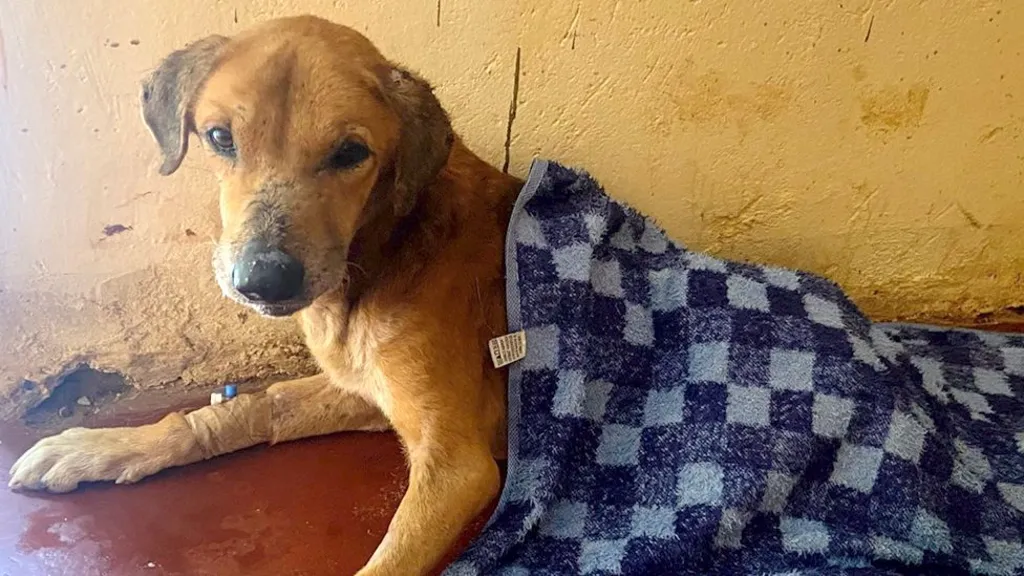
One of the most disturbing cases involved a dog named Russet. Multiple social media accounts shared images of the dog’s badly injured legs while requesting emergency donations for treatment.
The BBC traced Russet’s story from Mityana to a veterinary clinic in Kampala. A veterinary surgeon who treated the dog reportedly believed someone may have intentionally caused the injuries.
Russet later died despite surgical treatment.
The case has intensified public anger among animal welfare activists. Many campaigners now demand stricter oversight of online fundraising operations.
“This case is the first arrest after the world has seen how this scam developed into an online content creator’s business,” said Bart Kakooza, vice-chairperson of the Animal Welfare Alliance Uganda.
“The entire world is now watching to see how Uganda handles these cases and how these animals receive a better life,” he added.
The Animal Justice Center, a Uganda-based legal advocacy group, filed the case through private prosecution. The organisation received financial support from We Won’t Be Scammed, a UK-based activist group that investigates fraudulent rescue campaigns.
Activists say the scandal highlights a dangerous trend on social media platforms such as TikTok, Facebook and YouTube. Emotional videos involving injured animals often attract massive engagement and financial support.
Experts monitoring online fraud say digital platforms sometimes reward shocking content because algorithms favour emotional reactions and viral engagement.
Campaigners also argue that weak oversight has allowed fake rescue operations to grow rapidly. Several organisations claim they previously reported suspicious accounts to social media companies but received little response.
The Uganda dog shelter scam has also raised concerns for legitimate rescue organisations. Many real shelters depend heavily on foreign donations to fund veterinary care and feeding programmes.
Activists fear the scandal could damage public trust and reduce support for genuine animal welfare work across Uganda and East Africa.
Some organisations now want authorities to introduce tighter regulations for shelters receiving international donations. Proposed measures include mandatory veterinary inspections, financial transparency and independent audits.
Uganda’s animal welfare laws already prohibit unnecessary cruelty toward animals. However, activists say authorities rarely enforce the laws consistently.
Legal experts believe the current investigation could become a major test case for Uganda’s animal protection system. International attention has increased pressure on authorities to act decisively.
Investigators continue reviewing digital evidence linked to fundraising campaigns and payment records. Prosecutors may also examine whether organised criminal networks participated in the alleged scams.
Meanwhile, veterinary teams continue caring for the rescued animals. Some dogs require long-term treatment before rescue groups can place them in permanent homes.
International animal welfare groups continue monitoring the case closely. Activists believe the investigation could influence how governments respond to online animal exploitation schemes in future.
The scandal has also triggered wider debate inside Uganda about social media accountability and ethical content creation. Critics argue that digital platforms must strengthen oversight of emotionally manipulative fundraising campaigns.
Campaigners insist the rescued dogs now deserve proper treatment, safety and long-term care. They also want stronger enforcement to prevent similar operations from emerging again.
For many activists, the Uganda dog shelter scam represents more than a criminal investigation. They view it as a warning about the dangers of unchecked online fundraising and viral exploitation content.
The outcome of the ongoing prosecutions may now shape future efforts to combat organised animal abuse networks operating through social media platforms.