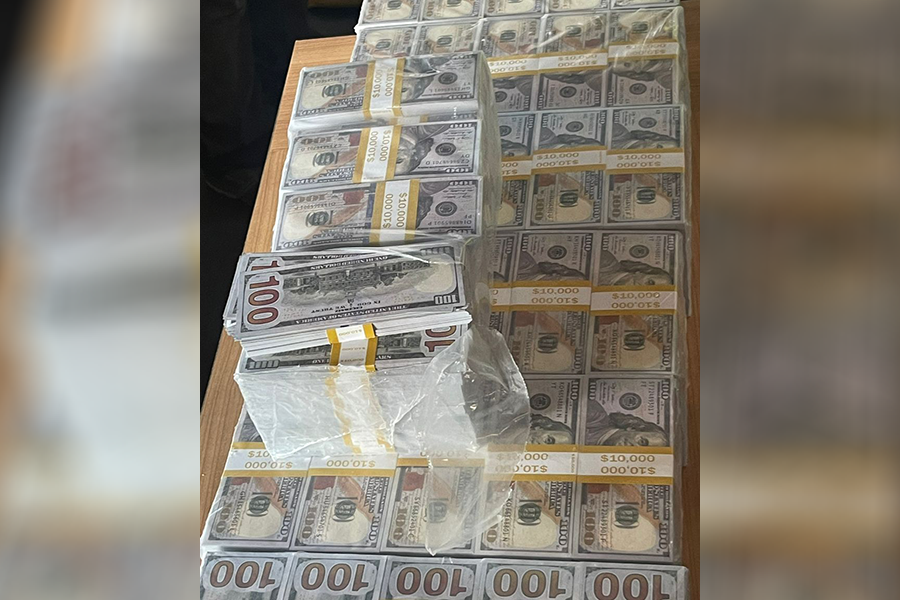
A URA customs officer uncovered $10.2 million hidden in cargo and rejected a bribe, strengthening Uganda’s fight against illicit financial flows. The discovery came during a routine inspection and quickly drew national attention.
The cargo belonged to a Ugandan returning from Turkey. The shipment looked ordinary at first. It contained household goods packed in several boxes. However, the URA customs officer noticed inconsistencies and decided to inspect further.
She opened one box and found kitchen items. She then opened another box and discovered bundles of foreign currency hidden underneath. Authorities later estimated the amount at about Shs38 billion.
Shortly after the discovery, a clearing agent approached her. He urged her not to report the matter. He also offered a financial inducement to influence her decision. The URA customs officer refused immediately and escalated the case through official channels.
Commissioner General John Musinguzi Rujoki praised her actions. He said her decision reflected the integrity expected from URA staff. He added that such conduct protects public revenue and builds trust in the institution.
The case highlights the critical role of frontline officers. Even with advanced systems, human judgment remains essential. A URA customs officer can detect details that automated systems may miss.
Uganda uses a risk-based cargo clearance system. Some goods pass through automatic release. Others require document checks or full physical inspection. In this case, physical verification made the difference.
Global institutions continue to warn about illicit financial flows. The International Monetary Fund notes that undeclared cash weakens economic stability. The World Customs Organization also stresses the need for strong border inspections.
Uganda requires travelers to declare large amounts of cash. Failure to declare can lead to seizure and investigation. The concealed shipment raises serious questions about intent and compliance.
The actions of the URA customs officer also highlight workplace pressure. Officers often face attempts at bribery, especially in high-value cases. URA continues to strengthen ethics training and enforcement systems to address this risk.
The authority has introduced several reforms in recent years. These include cargo scanning, digital declarations, and improved tracking systems. These tools support transparency and reduce manipulation. More insights on compliance reforms appear at [internal-link], while analysis of financial flows appears at [internal-link].
This case also sends a strong signal to investors. Transparent enforcement builds confidence in Uganda’s systems. A URA customs officer who upholds integrity strengthens the country’s reputation.
The incident offers a clear lesson. Systems matter, but people matter more. Technology can flag risks, but integrity determines the outcome. In this case, one decision protected the system and reinforced public trust.