Uganda’s economy is on track for one of its most ambitious growth phases yet, with official projections indicating a 10.4 percent expansion in the financial year 2026/27. This strong outlook — highlighted in government budget projections — reflects optimism around major sectors, strategic investments, and the anticipated start of crude oil production. While this figure represents national growth, Kampala, as the country’s economic hub, stands to benefit significantly from this momentum.
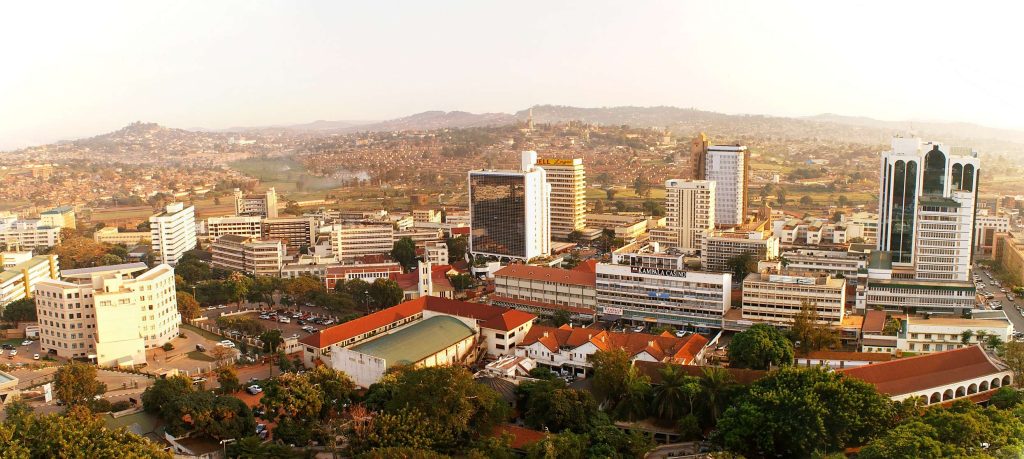
The City of Kampala, Uganda’s capital, drives much of the country’s commerce, services, and industrial activity. Its performance in FY 2026/27 will be intertwined with broader national economic trends. With plans to increase GDP sharply in the coming year, Kampala’s business environment, infrastructure projects, and investment flows could see substantial positive effects.
Government Growth Projections for FY 2026/27
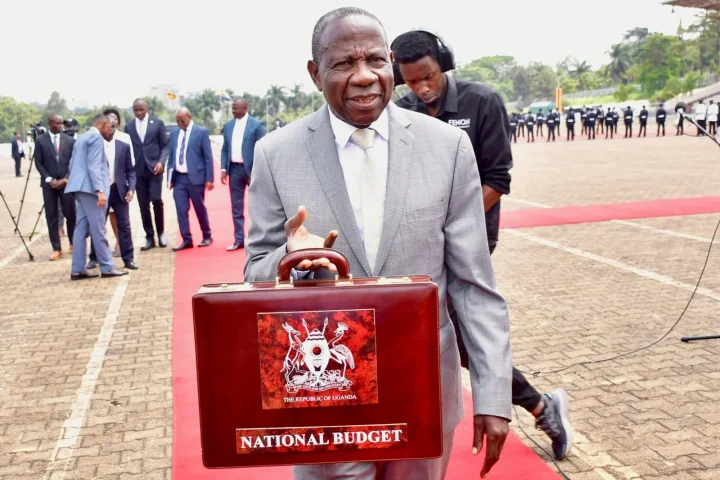
The Ministry of Finance, Planning and Economic Development has presented a National Budget Framework Paper outlining Uganda’s economic trajectory. It forecasts a 10.4 percent increase in GDP for the financial year running from July 2026 to June 2027, lifting the size of the economy to about UGX 290.2 trillion (around USD 76.7 billion). This marks a significant acceleration compared with projected 6.5 – 7 percent growth in the 2025/26 year.
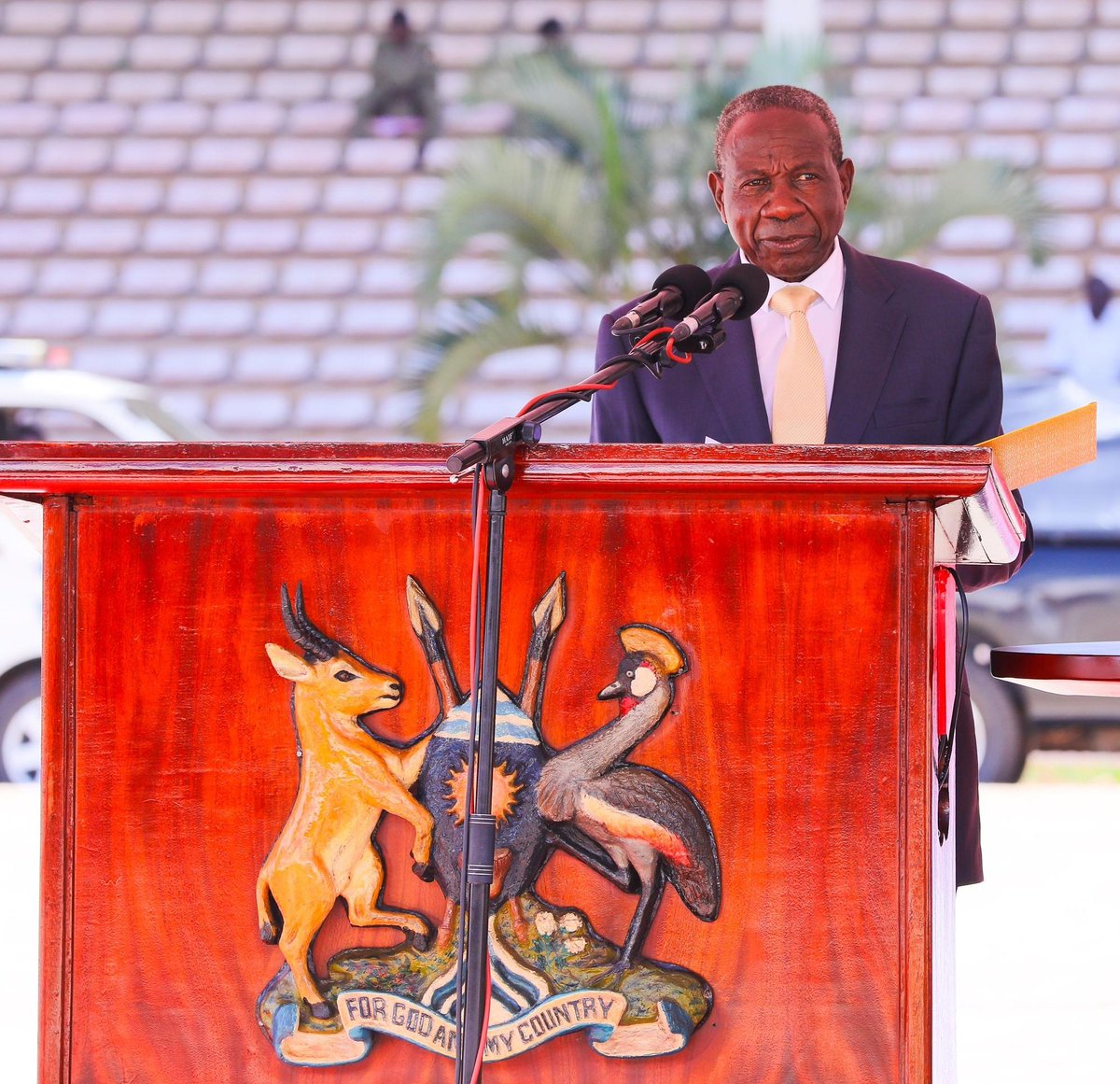
Officials describe FY 2026/27 as a potential inflection point for Uganda’s economic transformation. The government is positioning this year as a key opportunity to accelerate its long-term plan to reach upper middle-income status — a strategic goal embedded in the Fourth National Development Plan (NDP IV).
While national figures are strongest, Kampala’s economy is a central beneficiary. A large share of commercial activity, investment, government services, and financial services are based in the capital, meaning trends at national level tend to play out strongly within Kampala.
Drivers of Kampala’s Economic Outlook
Oil Production and Industrial Growth
One of the most discussed catalysts for the projected surge in growth is the commencement of commercial oil production in Uganda’s western region. While the oil fields are located outside Kampala, the capital will feel spillover effects through increased investment, business services, logistics, and financial sector activity. National officials point to oil as a major contributor to the expected jump in economic expansion.
Larger extractive-industry activities often stimulate related sectors such as transportation, construction, and professional services — categories that are heavily concentrated in Kampala.
Strategic Investments and Urban Development
Uganda’s growth strategy emphasises sustained investment across a number of priority sectors, including agro-industrialisation, tourism, minerals, science and technology innovation. These areas are expected to generate increased business activity and job creation, particularly in urban centres like Kampala where corporate offices, research institutions, and advanced services operate.
Infrastructure development in Kampala — including ongoing transport projects and improvements in urban connectivity — also supports productivity and business operations. Road upgrades, bypasses, and connectivity links help reduce logistics bottlenecks, making it easier for goods and services to move more efficiently across city districts and beyond.
Services and Consumer Demand
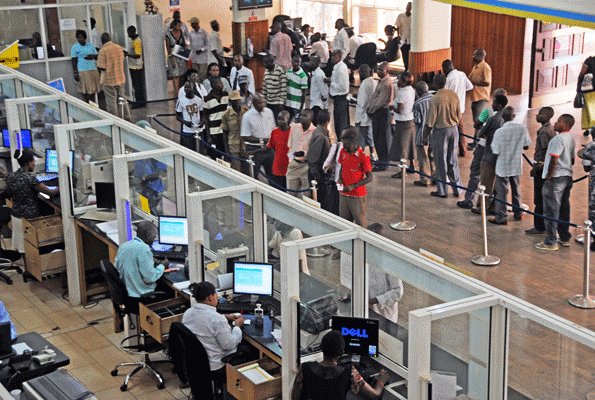
The services sector — encompassing banking, retail, tourism, telecommunications, and logistics — forms a large part of Kampala’s economic base. As national growth accelerates, consumers and businesses in the capital will likely demand more services, boosting sectoral output. Kampala’s role as a transport and logistics hub also adds to its contribution to national output.
Challenges to Sustained Growth
Despite the optimistic outlook, there are key challenges that could influence how the growth figure impacts Kampala specifically.
Fiscal and Budgetary Constraints
Uganda’s overall budget envelope for FY 2026/27 is slightly smaller than the prior year, with total resource estimates down from UGX 72.4 trillion to UGX 69.4 trillion. This suggests ongoing fiscal balancing efforts. Government officials have also noted the need to tighten public spending and improve fiscal management to address persistent structural issues.
Effective budget implementation will be essential to ensure that projected growth translates into real economic activity in urban centres like Kampala.
External and Global Risks
External economic conditions also play a role. Global slowdowns, commodity price shifts, and regional trade disruptions can affect Uganda’s export performance and investment flows, which in turn influence Kampala’s economic vibrancy.
What This Means for Kampala in 2026/27
A projected 10.4 percent growth rate for Uganda’s economy suggests an era of opportunity for Kampala. As the primary centre for business, finance, and services, Kampala is well-positioned to absorb the benefits of national expansion.
Local businesses may see higher consumer demand, while infrastructure improvements are likely to enhance productivity. The oil sector’s emergence could unlock new investment flows, with Kampala serving as a base for corporate, financial, and service operations tied to the sector.
However, the realisation of these gains depends on how effectively budget priorities are executed on the ground. Sustainable fiscal policies, continued infrastructure improvements, and a supportive business environment will be essential to sustain accelerated growth.
Conclusion
The forecast of a 10.4 percent economic expansion in FY 2026/27 is one of the boldest growth projections Uganda has announced in recent years. For Kampala, this represents a potential decade-defining moment. As national growth accelerates, the capital stands to benefit from increased investment, stronger consumer markets, and expanded service sectors.
While challenges remain, the strategic emphasis on diversification, infrastructure, and high-growth industries positions Kampala for a dynamic economic phase. If these projections hold, FY 2026/27 may mark a significant step toward long-term prosperity for Kampala and Uganda as a whole.