Kampala, Uganda’s capital and largest urban centre, stands at the heart of the country’s economic transformation. As both the political capital and the hub for business, services, infrastructure, and investment, Kampala’s performance reflects broader national trends while shaping how Uganda’s economy evolves in 2026. With strong projected growth and a mix of opportunities and challenges, this year’s economic outlook for Kampala highlights the city’s role as a key driver of national prosperity.
National Growth Setting
Uganda’s overall economy is expected to post solid growth in 2026, with real GDP expanding between about 6.5 and 7 percent according to national planning forecasts. This momentum is supported by strong activity across agriculture, industry, and services, which are sectors heavily represented in Kampala’s economy.
International institutions also project robust performance, with the International Monetary Fund estimating real GDP growth around 7.6 percent in 2026 under steady policy conditions. Such growth sets the foundation for increased economic activity in Kampala, where most formal businesses, trade networks, and government operations are concentrated.
Why Kampala Matters
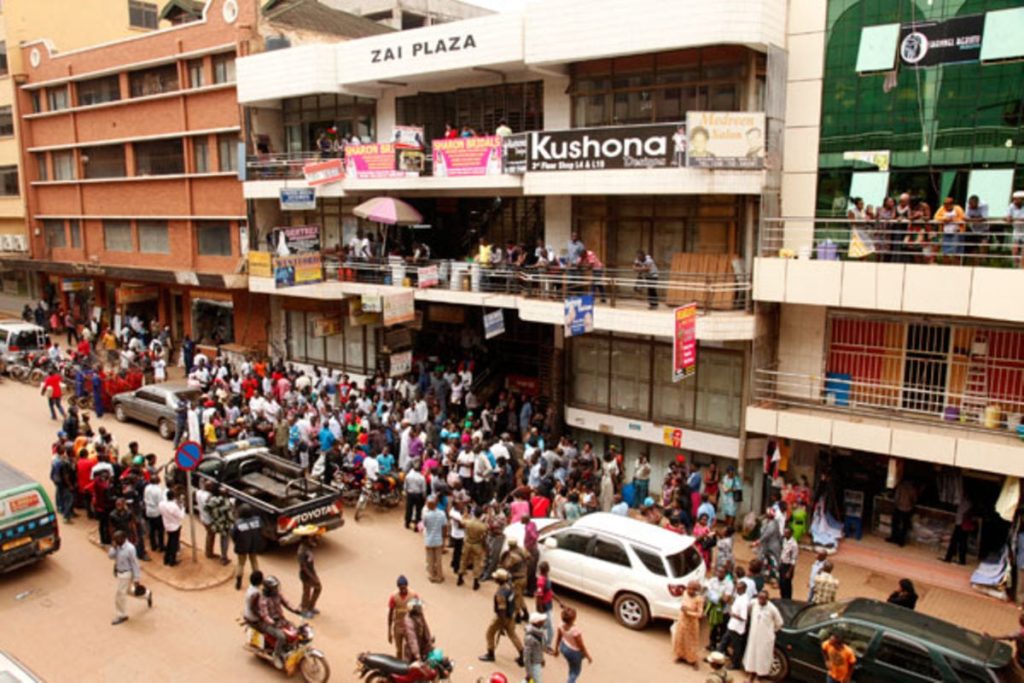
As Uganda’s commercial centre, Kampala hosts finance institutions, large retail markets, logistics hubs, and the majority of advanced services like banking, telecommunications, and professional services. Kampala’s economic performance therefore affects employment, investment flows, and consumer spending more visibly than in other regions.
Urbanisation continues to intensify, increasing demand for housing, transport, and services within the city. Recent data from Uganda’s statistical authorities confirm that Kampala remains a magnet for internal migration, boosting consumption and demand for commercial space.
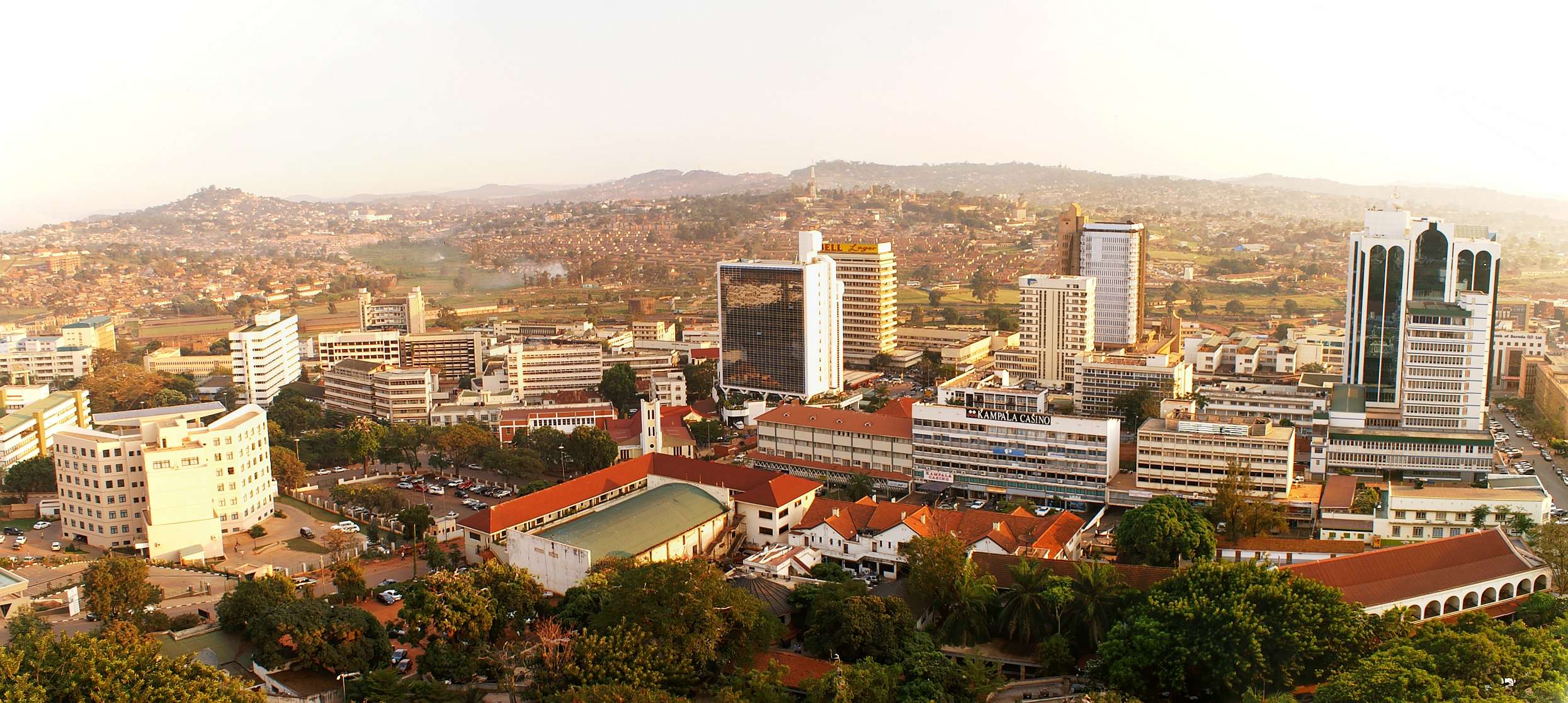
Infrastructure investments within and around Kampala also contribute to its economic outlook. Projects like road expansions and urban decongestion schemes aim to reduce transit costs and connect markets more efficiently. While some projects face delays, the strategic focus on improving mobility within the Greater Kampala Metropolitan Area underpins broader economic productivity gains.
Key Economic Drivers for 2026
- Services and Commerce
The services sector—comprising finance, retail, tourism, transport, and professional services—forms a central part of Kampala’s economy. As Uganda’s services sector continues to grow, Kampala benefits directly from rising demand for urban consumption and business services. The city’s role as a transport and logistics hub also supports trade linkages that feed into national supply chains.
- Public and Private Investment
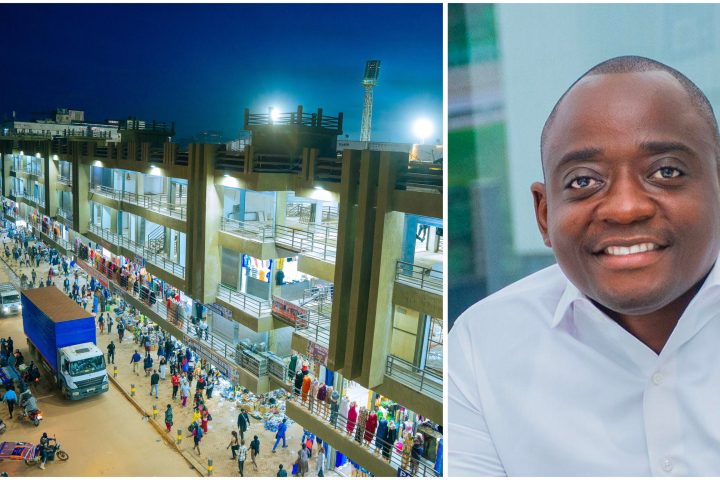
Government infrastructure spending in Kampala has been a persistent driver of economic activity. Budget allocations for urban roads, public buildings, and administrative centres aim to improve the city’s business environment. For example, large government office developments and business centres aim to streamline services and facilitate business registration and operations.
Private investment, particularly in construction, commercial real estate, and retail developments, adds to urban job creation and labour demand. Kampala’s skyline is increasingly defined by new mixed-use buildings, offices, and residential complexes catering to urban workers and investors.
- Oil Sector Spillovers
A significant growth catalyst for Uganda’s economy in 2026 and beyond is the commencement of commercial oil production in the Lake Albert region. National forecasts suggest that oil output should begin to lift GDP performance and could stimulate related sectors like logistics, services, and finance that have strong links to Kampala. Oil-related revenues and investments are expected to support broader fiscal capacity and create multiplier effects throughout the economy.
- Monetary and Price Stability
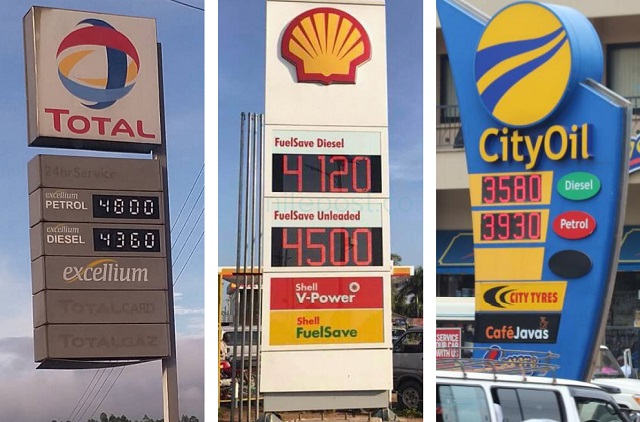
Stable inflation supports Kampala’s economic prospects by preserving consumer purchasing power and business planning. Inflation in Uganda has remained within manageable levels, providing a conducive environment for private consumption and investment decisions.
Challenges Facing Kampala in 2026
Despite positive trends, Kampala’s economy faces structural and external risks that could temper growth:
Urban Infrastructure Pressure: Rapid urbanisation places strain on transport networks, drainage, and utility services. Without adequate investment and maintenance, congestion and infrastructure bottlenecks could dampen productivity and quality of life in the city.
Poverty and Inequality: Though national income levels rise, inequality remains a challenge. Many Ugandans depend on agriculture and informal economic activities outside Kampala’s formal economy, which can limit broad-based gains in living standards.
Fiscal Constraints: Public debt and fiscal deficits require careful management. As the government adjusts budget priorities and debt issuance strategies, effective fiscal governance will be crucial to ensure sustainable investment in Kampala’s development.
External Shocks: Global economic slowdowns, commodity price shifts, and regional instability can influence export demand and investment flows that indirectly affect Kampala’s growth outlook.
Looking Ahead: Kampala’s Economic Trajectory
By 2026, Kampala’s economic outlook appears broadly positive. With national growth expected to stay strong, Kampala is positioned to benefit from expanding private sector activity, public investments, and increasing urban consumption. Infrastructure improvements and potential oil sector revenues may amplify these gains, creating opportunities for broader economic development.
However, sustained progress hinges on addressing challenges such as infrastructure capacity, inequality, and fiscal sustainability. Strengthening governance, fostering private sector confidence, and prioritising urban planning will be important to ensure Kampala’s long-term economic resilience.
Ultimately, Kampala’s economy in 2026 reflects a convergence of national optimism and urban growth dynamics. As the city continues to evolve, its role as a regional business hub and engine of Uganda’s economic development is likely to deepen—shaping opportunities for investors, workers, and residents alike.