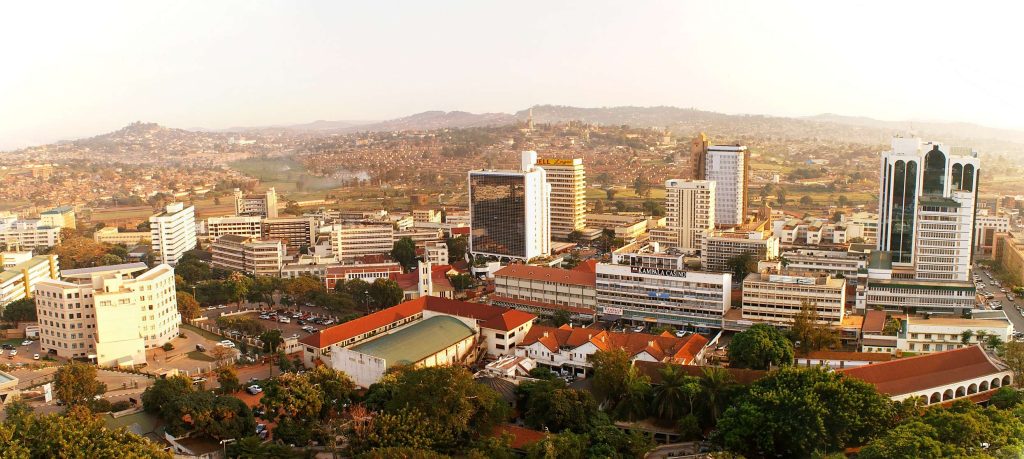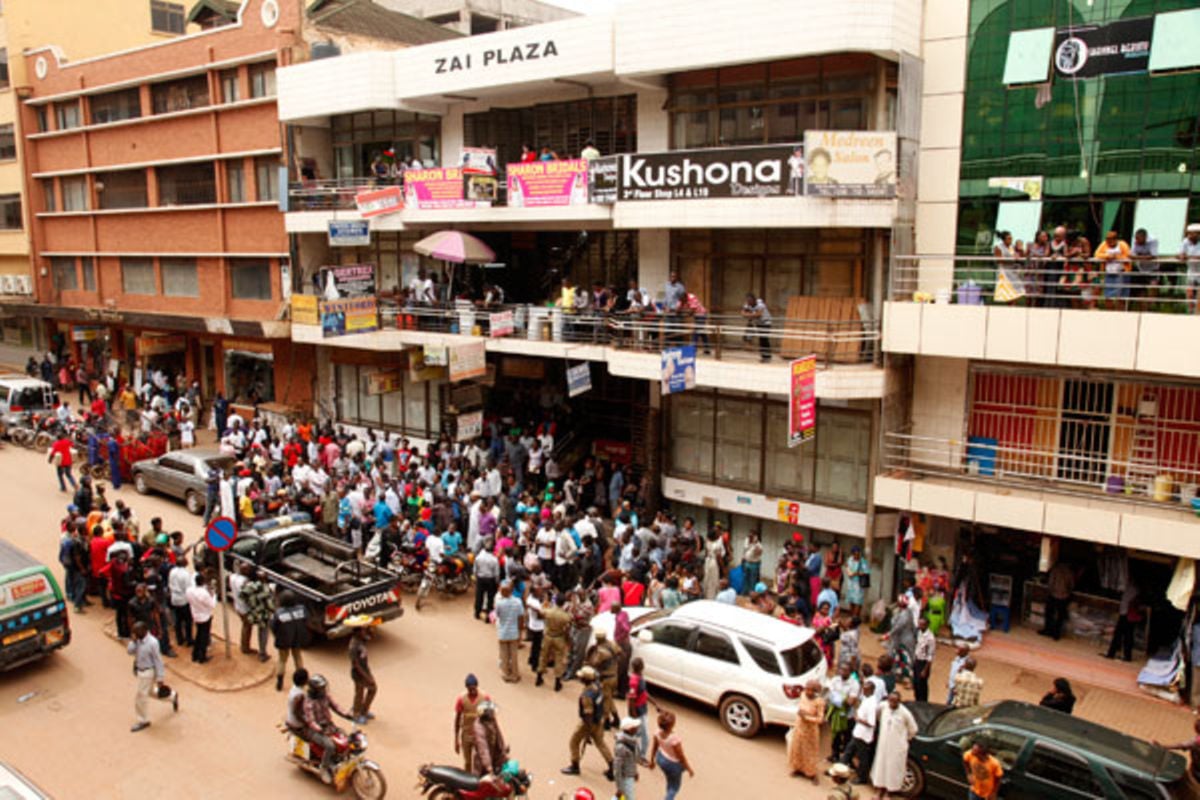
Kampala, the vibrant capital and largest city of Uganda, plays a central role in the country’s economic performance. As the hub for commerce, industry, government services, and infrastructure development, Kampala significantly influences national GDP figures. In recent years, both Uganda’s overall economy and Kampala’s metropolitan area have shown resilience and steady growth despite global and regional challenges. As economic activity evolves, understanding GDP trends and future projections for Kampala provides insight into how the city’s economy might perform and shape livelihoods in the decade ahead.
Current GDP Growth Trends
Although there are no official city-specific GDP figures publicly released for Kampala alone, the national economy’s performance paints a useful picture. Uganda’s overall real gross domestic product (GDP) growth has remained robust over recent years, suggesting strong economic foundations that benefit Kampala as the economic centre. In the financial year 2024/25, real GDP growth expanded to around 6.3 percent, up from about 6.1 percent in the previous year. This expansion reflected broad-based activity across agriculture, industry, and services, driven by rising consumption, investment, and export performance.
In the nine months between July 2024 and March 2025, growth accelerated further from roughly 6.1 percent to 6.8 percent, supported by stable inflation and improved revenue collection, according to a World Bank report. Kampala, as home to the largest share of services, government functions, and industrial activities, naturally benefits from this national growth momentum.
National fiscal reports suggest that services remain a major contributor to GDP, a sector where Kampala’s economy is heavily represented through finance, trade, tourism, and transport. Emerging sectors such as digital innovation and construction are increasingly visible in the capital’s skyline and business activity.
Drivers Behind Kampala’s Economic Growth
Several key factors underpin Kampala’s strong economic performance:
Urban Population Growth: Kampala’s population continues to grow quickly, increasing demand for housing, retail, transport, and services. As more people settle in the city, economic activity ticks upward in both formal and informal markets, boosting consumption and productivity.
Infrastructure Development: Major infrastructure projects across and around Kampala create jobs and improve connectivity. Road projects such as the Kampala–Mpigi Expressway and ongoing upgrades to urban transport links improve the movement of goods and people, supporting economic efficiency.
Service Sector Expansion: Services—banking, hospitality, telecommunications, retail, education, and healthcare—drive much of Uganda’s GDP growth. With Kampala as the centre for many of these sectors, the city benefits directly from national growth in service output.
Trade and Investment: Kampala’s markets, commercial districts, and business parks attract both domestic and foreign investment. Demand for commercial space and business services continues to grow, further contributing to economic expansion.
Oil and Industry: While the oil sector is mostly located outside Kampala, the anticipated start of crude oil production and associated supply chains is expected to buoy national growth projections and stimulate economic spillovers into Kampala’s economy, through services, logistics, and finance.
Inflation, Fiscal Policy, and Economic Context
Moderate inflation has supported economic stability, with inflation rates staying below central bank targets in recent periods. Stable consumer prices help sustain household purchasing power and business investment decisions—both crucial for urban economic growth.
At the same time, public debt has been rising, increasing pressure on the government’s fiscal space. While infrastructure borrowing supports long-term productivity, managing debt sustainably while maintaining public services is a delicate balance that influences future growth prospects.
Projections for Kampala’s Economy
Looking ahead, projections for Uganda’s overall economic performance offer clues about Kampala’s potential growth trajectory. National forecasts indicate that GDP growth could strengthen further in the coming years. Some projections, tied to strategic economic planning and reasons for optimism such as oil production and industrial expansion, suggest that Uganda’s economy could grow more rapidly in future fiscal years. Estimates published by a national planning outlook projected an ambitious expansion of around 10.4 percent by the end of the 2026/27 financial year—up from an estimated 6.6 percent in 2025/26—driven by a combination of agricultural, industrial, and technology-sector growth.
International institutions also foresee elevated growth potential under favourable conditions. For example, the International Monetary Fund projected overall real GDP growth for Uganda in 2026 at approximately 7.6 percent, assuming steady policy implementation and investment flows.
If these national trends materialise, Kampala’s economy could enjoy enhanced activity in sectors such as construction, trade, finance, and services. Increased economic dynamism in Kampala could also attract more investment, encourage business formation, and generate employment opportunities.
Challenges and Risks
While growth prospects are broadly positive, several risks could moderate Kampala’s pace of expansion. These include:
Inflationary Pressures: External shocks or supply chain disruptions could push consumer prices higher, reducing real incomes and slowing consumption.
Debt Sustainability: Rising public debt may constrain fiscal flexibility, making it harder to fund infrastructure and social services without heavy borrowing.
Global Economic Slowdown: A downturn in global demand could affect exports and foreign investment, impacting sectors that contribute to Kampala’s GDP.
Urban Infrastructure Gaps: Rapid urbanisation strains existing infrastructure. Without adequate investment in transport, housing, sanitation, and utilities, long-term productivity could stagnate.
Conclusion
Kampala stands at the epicentre of Uganda’s economic growth story. Current trends show resilient expansion in GDP, underpinned by stable growth in services, infrastructure development, and rising investment. Future projections suggest continued growth if national and global economic conditions remain favourable. At the same time, managing inflation, debt, and urban infrastructure challenges will be crucial to sustaining Kampala’s growth momentum.
As Kampala evolves, its role as a regional economic hub is likely to strengthen, shaping opportunities for businesses, investors, and residents alike.