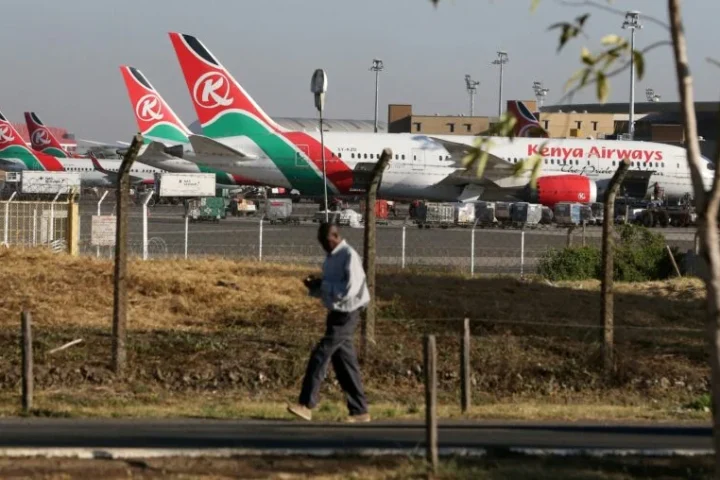
The Kenyan airport workers strike has been called off following a successful agreement between the Kenya Aviation Workers Union and the transport ministry. Consequently, normal operations are resuming at Nairobi’s Jomo Kenyatta International Airport after Monday’s disruption affected one of Africa’s busiest air transport hubs. Indeed, this resolution demonstrates the value of constructive dialogue in resolving labor disputes. Furthermore, travelers and airlines can now anticipate restored schedules and reduced delays. Therefore, stakeholders across the aviation sector welcome this positive development.
Moreover, the Kenyan airport workers strike originated from a labor dispute with the Kenya Civil Aviation Authority regarding working conditions and compensation. Specifically, union representatives sought improvements in staffing levels, safety protocols, and benefits for aviation personnel. Therefore, the agreement reached with the transport ministry addresses several of these core concerns. Additionally, both parties have committed to ongoing communication to prevent future disruptions. As a result, this outcome reflects a balanced approach to protecting worker rights while maintaining essential public services. Indeed, sustainable labor relations require mutual respect and proactive problem-solving.
Furthermore, the impact of the Kenyan airport workers strike extended beyond immediate flight cancellations. For instance, connecting passengers faced missed international connections, while cargo shipments experienced delays affecting regional supply chains. Consequently, businesses reliant on timely air freight encountered operational challenges. Moreover, tourism operators expressed concern about potential reputational damage to Kenya’s travel sector. Therefore, swift resolution of such disputes carries significant economic implications. Indeed, aviation infrastructure serves as a critical engine for national development and regional integration.
Additionally, the Kenya Aviation Workers Union played a pivotal role in negotiating the end of the Kenyan airport workers strike. Specifically, union leadership engaged directly with ministry officials to identify mutually acceptable solutions. Therefore, this collaborative approach helped bridge differences that initially led to industrial action. Moreover, transparent communication with members ensured broad support for the final agreement. Consequently, the union demonstrated its capacity to advocate effectively while prioritizing public interest. Indeed, responsible labor representation strengthens both worker protections and service reliability.
In addition, the resolution of the Kenyan airport workers strike offers valuable lessons for managing labor relations in critical infrastructure sectors. For instance, establishing clear grievance mechanisms and regular consultation forums can prevent disputes from escalating to strike action. Therefore, proactive engagement between employers, unions, and government agencies fosters more stable working environments. Moreover, investing in workforce development and fair compensation reduces turnover and enhances service quality. Consequently, these strategies benefit both employees and the organizations they serve. Indeed, long-term planning supports sustainable operational excellence.
Furthermore, the Kenyan airport workers strike highlights the interconnected nature of modern transportation networks. Specifically, disruptions at a major hub like Jomo Kenyatta International Airport ripple across regional and global travel systems. Therefore, maintaining reliable airport operations requires coordinated efforts among multiple stakeholders. Moreover, contingency planning helps mitigate impacts when unexpected challenges arise. Consequently, resilience in aviation infrastructure supports broader economic stability. Indeed, preparedness and adaptability remain essential in an increasingly complex global environment.
Additionally, travelers affected by the Kenyan airport workers strike may seek information about rebooking options or compensation policies. Specifically, airlines typically provide guidance through customer service channels and official websites. Therefore, passengers are encouraged to monitor communications from their carriers for updates. Moreover, travel insurance policies may cover certain disruption-related expenses. Consequently, staying informed helps minimize inconvenience during unexpected schedule changes. Indeed, clear communication between service providers and customers strengthens trust and satisfaction.
Looking ahead, the conclusion of the Kenyan airport workers strike creates opportunities to strengthen aviation sector partnerships. Specifically, continued dialogue between unions, management, and regulators can address emerging challenges before they escalate. Therefore, investing in workforce training, technology upgrades, and safety enhancements supports long-term growth. Moreover, aligning labor practices with international standards enhances Kenya’s competitiveness as a regional aviation hub. Consequently, collaborative progress benefits workers, businesses, and travelers alike. Indeed, shared commitment to excellence drives sustainable success in dynamic industries.
In summary, the resolution of the Kenyan airport workers strike represents a positive outcome for all stakeholders involved. Consequently, restored airport operations support economic activity, travel connectivity, and regional development. Furthermore, the agreement demonstrates how constructive negotiation can resolve complex labor disputes effectively. Therefore, maintaining open channels of communication remains essential for preventing future disruptions. Moreover, prioritizing worker welfare alongside operational efficiency creates more resilient organizations. Indeed, the Kenyan airport workers strike conclusion offers a model for balanced, solutions-oriented labor relations. As a result, continued collaboration will help ensure stable, high-quality aviation services for Kenya and the broader East African region.
READ: