Kampala, Uganda’s vibrant capital city, is not just a bustling urban center but also a gateway to some of East Africa’s most captivating natural landscapes. Nestled atop rolling hills and near the expansive waters of Lake Victoria, Kampala’s surroundings offer lush forests, scenic water bodies, bird‑rich islands, and serene green spaces that contrast beautifully with city life. In this article, we explore the city’s natural wonders, inviting you to see Kampala beyond its vibrant markets and streets to the tranquil beauty that frames it.
From quiet lakeside moments at dawn to shaded forest trails alive with birds and butterflies, Kampala’s natural attractions appeal to residents and visitors seeking open‑air escapes. These landscapes are not just beautiful — they are living ecosystems that support biodiversity, offer cultural connection to the land, and provide essential green lungs for the capital region.
The Rolling Green Hills of Kampala
The hills surrounding Kampala are iconic to the city’s identity. Often lush and green, especially after the rainy seasons, these hills create scenic vistas that seem to blend into the horizon. Visitors can enjoy panoramic views of the city from points like Kololo Hill or Old Kampala, where the terrain dips and rises in gentle waves of grass and trees.
These hills also support small farms, coffee plantations, and pockets of forest that contribute to the region’s ecological balance. Walking or driving through these elevations at sunrise or sunset paints a memorable picture of Kampala’s natural setting — a place where urban life and nature coexist seamlessly.
Lake Victoria’s Majestic Shores

Just a short distance south of central Kampala lies the vast expanse of Lake Victoria, Africa’s largest freshwater lake. The lake’s serene shores near Ggaba and other points offer calming views and a chance to connect with the rhythms of water life. Early mornings on the lake are especially tranquil, with fishermen pushing out in wooden boats and gentle breezes rustling across the surface.
Lake Victoria also supports diverse birdlife and aquatic species. Though urban development touches parts of its shoreline, the lake remains a vital natural asset for Kampala — a place for picnics, boat rides, and reflective moments by the water.
Mabira Forest Reserve
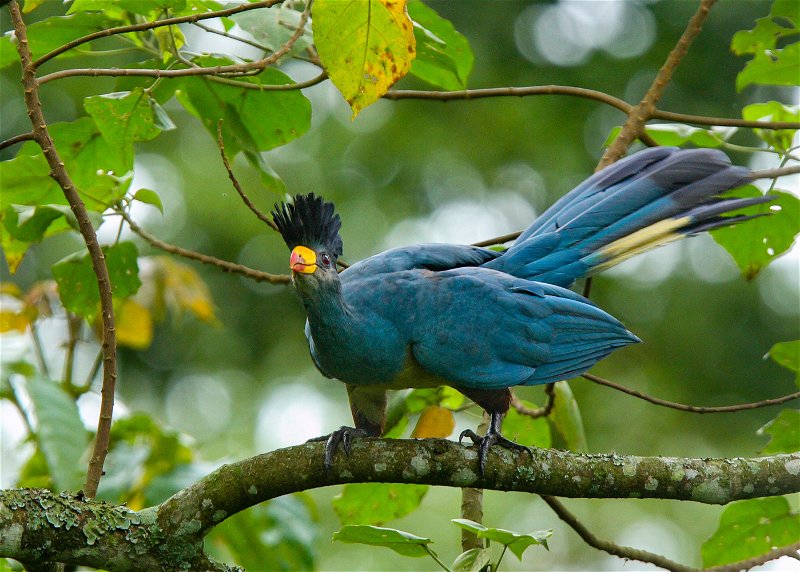
Mabira Forest Reserve lies northeast of Kampala and is one of Uganda’s largest surviving tropical rainforests. Just a short drive from the city, Mabira offers visitors an immersive experience in a green, leafy environment rich with biodiversity. Hiking trails wind through tall trees alive with birdcalls, and shaded clearings make ideal spots for nature walks or picnics.
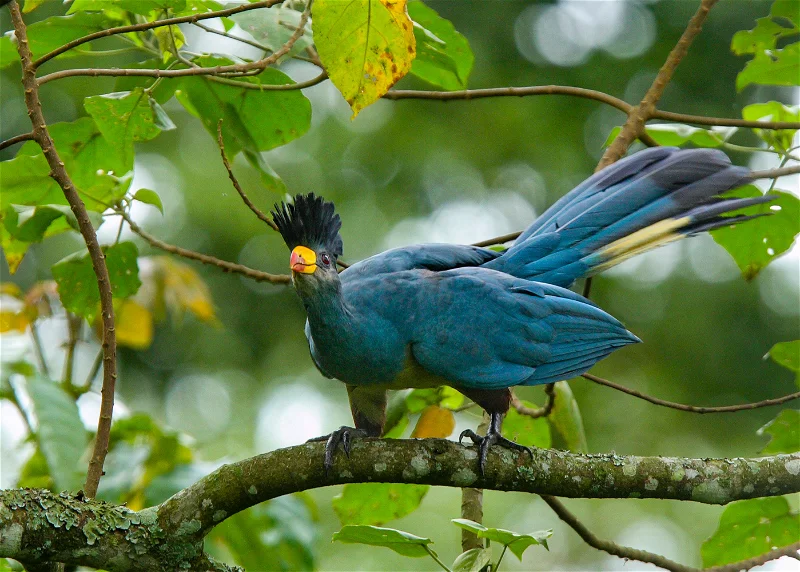
The forest is home to butterflies, monkeys, and a variety of bird species, making it a favorite for bird watchers and those seeking a peaceful nature retreat. Guided nature walks here provide deeper insight into the forest’s ecology and the importance of preserving such habitats amid rapid urban growth.
Ndere Island National Park

Located on Lake Victoria, Ndere Island National Park is a hidden gem for wildlife lovers and day trippers. Accessible by boat from nearby landing sites, this island offers grassland plains and woodland patches where antelope, monitor lizards, and a variety of birds roam freely. Picnic spots overlooking the water make it ideal for family outings, and the boat ride itself provides scenic views of the lake and its horizon.
For those who love birding, the island is a rewarding destination. Waterfowl, raptors, and shoreline birds can be spotted with binoculars, especially during early morning or late afternoon. Ndere Island brings together wildlife and water views in a serene, open‑air setting.
Botanical Gardens and Urban Green Spaces
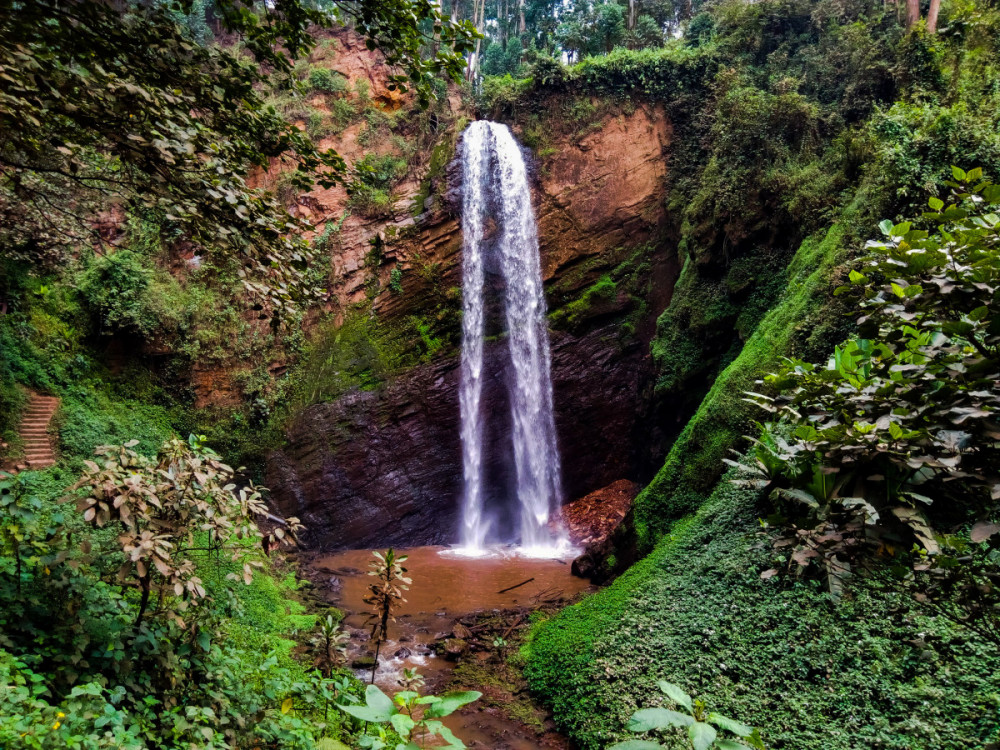
Within Kampala itself are pockets of green space where both locals and visitors can relax amid trees and lawns. Kampala Botanical Gardens, for example, features native plants, shaded paths, and quiet spots for reading or reflection. Urban trails and community parks also offer refreshing breaks from the city’s busier streets, showing how natural beauty can thrive even in an urban context.
These spaces are vital for community well‑being. They provide air filtration, cooler microclimates, and places for children to play and families to gather — all within a short distance of the city’s core.
Cultural Connection to Nature

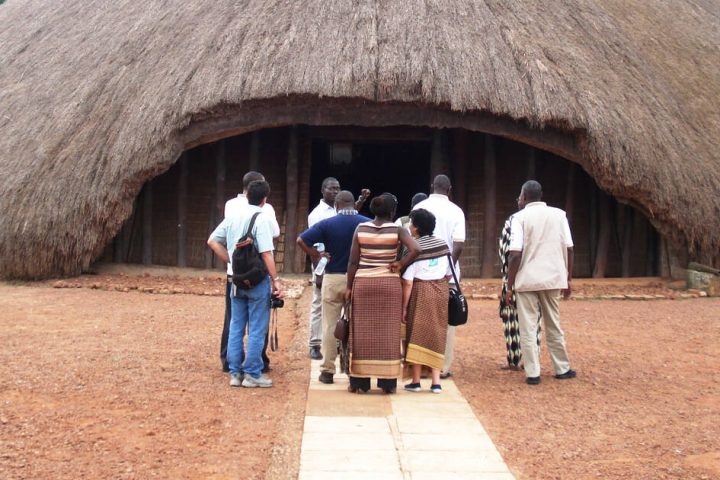
Natural landscapes around Kampala are also stitched into the culture of the people. Stories, songs, and traditions often reflect life in relation to the land, hills, lakes, and forests. Community gatherings near water or in shaded glades tie people to the environment in ways that celebrate both heritage and habitat.
Eco‑tourism initiatives have grown in recent years, with local guides offering tours that share not only ecological facts but also cultural narratives tied to these natural settings. Through mindful tourism, visitors learn about conservation efforts and how nature plays a role in everyday Ugandan life.
Conclusion
Kampala’s natural wonders offer a refreshing counterpoint to its urban buzz. From the calm shores of Lake Victoria and the leafy trails of Mabira Forest to wildlife‑rich Ndere Island and peaceful city gardens, the region’s landscapes are rich with beauty and life.
Whether you are a visitor exploring for the first time or a resident taking a weekend escape, Kampala’s surroundings invite you to breathe deeply, explore widely, and appreciate the natural beauty that frames this dynamic city.
If you’d like tips on the best times to visit each of these natural spots or how to plan your trip, just ask!