The KCCA enforcement operation has intensified efforts to restore order recently. Consequently, teams targeted the Central Business District specifically. They focused on unauthorized kiosks and street vendors. This action followed a two-week ultimatum issued by authorities. Executive Director Sharifah Buzeki supervised the demolition work directly. Furthermore, enforcement teams engaged with homeless individuals overnight. This occurred on February 20, 2026. Thus, the initiative reflects a push for sustainable trade order. It balances urban development with community livelihoods effectively.
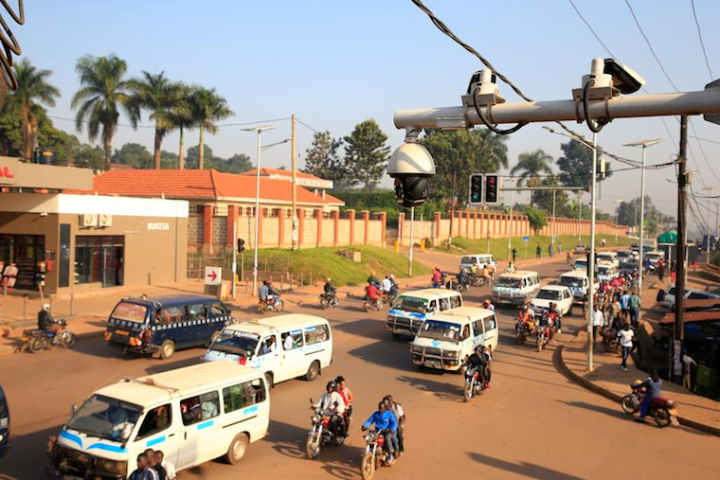
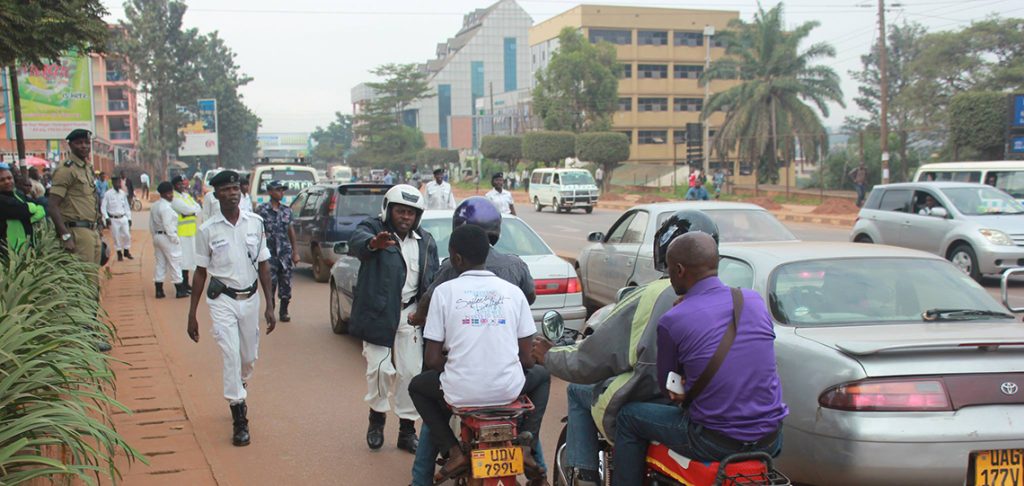
Teams prioritized specific high-traffic zones initially. These included Ben Kiwanuka Street and Luwuum Street. Additionally, Nasser Road and Kikuubo Lane faced clearance. Pedestrian pathways had become congested previously. Therefore, authorities emphasized compliance with the February 19 deadline. The rule applied to all street vendors strictly. It also covered boda boda riders outside gazetted areas. Police supported the effort by making arrests. Meanwhile, enforcement officers directed homeless individuals to vacate. The KCCA enforcement operation represents a significant step forward. It creates a more organized urban environment for everyone.
KCCA officials secured approximately 4,500 alternative stalls. Moreover, 2,520 are located within city limits. Another 1,980 are situated outside the Central Business District. The Authority encourages vendors to utilize public markets. This helps them maintain livelihoods while following regulations. Consequently, the relocation strategy balances urban order with inclusion. Street vendors can continue operations in designated areas. Officials stress that occupying approved spaces supports stability. It also improves citywide sanitation significantly. Thus, the KCCA enforcement operation combines action with support.
Outgoing Lord Mayor Erias Lukwago criticized the actions publicly. However, he labeled them illegal and unreasonable. He argues that existing legislation allows licensed street vending. This includes the Trade Licensing Act 1969. Additionally, the Trade Order Ordinance 2006 applies. Lukwago contends the government has not allocated funds. Modern markets were in the 2021-2026 strategic plan. Nevertheless, legal experts note sustainable management requires investment. This avoids displacing vulnerable workers without alternatives. This perspective highlights challenges in the KCCA enforcement operation. Comprehensive policy solutions remain essential for success.
The Kampala City Traders Association threatened boycotts previously. They demanded restoration of trade order urgently. Association members cited significant losses from blocked entrances. Unregulated street competition also affected their businesses. Therefore, their stance underscores the importance of dialogue. City authorities and trader representatives must work together. Developing mutually acceptable vendor relocation pathways remains essential. This maintains economic vitality while advancing planning goals. The KCCA enforcement operation must evolve through consultation. It should address legitimate concerns of all stakeholders.
Enforcement activities align with the “Smart City” initiative. Specifically, this prioritizes improved sanitation and reduced hazards. It also focuses on enhanced road safety. Consequently, clearing unplanned structures creates accessible spaces. This Smart City initiative supports long-term economic growth. It fosters a structured trading ecosystem. Officials believe orderly zones will attract investment. They will also improve public health outcomes. Furthermore, Kampala’s regional standing could rise. The KCCA enforcement operation applies these development principles.
Community responses to the KCCA enforcement operation remain mixed. Some residents welcome improved street accessibility. They appreciate cleaner public spaces. However, others express concern about vulnerable vendors. These individuals rely on daily street trade. Authorities pledged continued enforcement against non-compliant operators. Additionally, they encourage dialogue with stakeholder groups. Successful implementation depends on transparent communication. Adequate relocation support matters too. Sustained investment in market infrastructure is crucial. Thus, the path to lasting trade order requires balance.
Sustainable urban management hinges on integrating enforcement. The KCCA enforcement operation will evolve over time. Ongoing assessment of social impacts remains crucial. Centering regulatory standards and human dignity builds a better city. Kampala can become more organized and inclusive. It can also grow more vibrant for everyone. Commitment to urban sanitation offers a strong foundation. Thoughtful support systems enhance this promise. Overall, the capital’s future growth looks promising. This approach ensures stability for all residents.