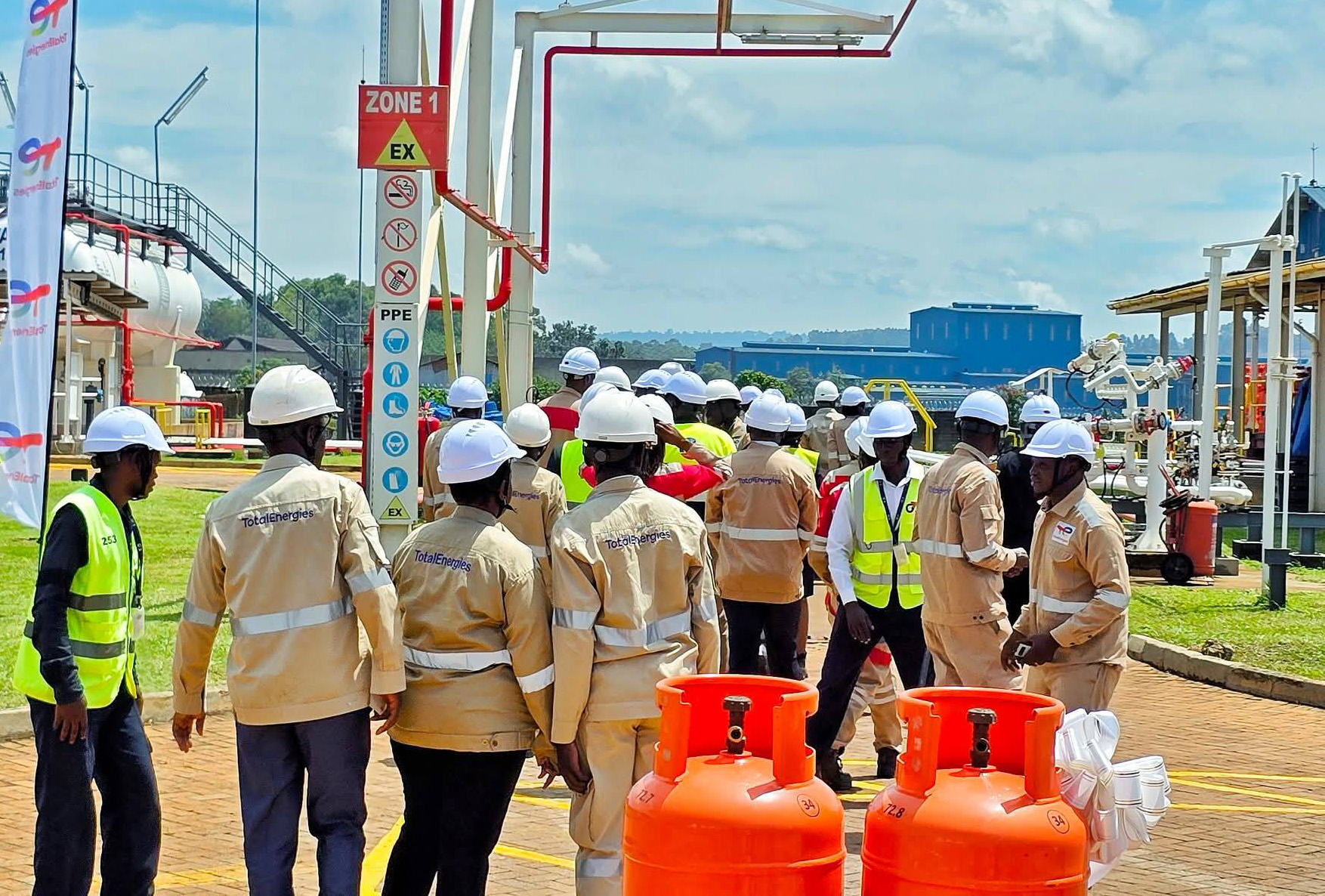
Currently, the upgraded Uganda LPG infrastructure at TotalEnergies’ Jinja facility marks a pivotal shift toward energy self-reliance and cleaner household fuel access across the region. Specifically, Managing Director Olufemi Babajide emphasized during the commissioning event that this investment extends far beyond immediate supply improvements. In fact, it establishes foundational capacity for Uganda’s emerging domestic oil and gas sector. Consequently, the company is positioning itself to support national goals effectively.
Significantly, TotalEnergies’ refurbished plant in Jinja represents more than a simple facility upgrade. Moreover, it signals a coordinated effort to align downstream capacity with upcoming upstream production. As Uganda prepares to process liquefied petroleum gas domestically, robust storage, handling, and distribution systems become essential. Therefore, the expanded bottling lines and increased tank capacity at Jinja directly address these critical needs. Furthermore, industry analysts note that such forward-looking investments reduce future integration friction. When local production begins, the Uganda LPG infrastructure will already support efficient market absorption. This proactive approach minimizes supply chain disruptions and stabilizes pricing for consumers. Specifically, for a landlocked nation, these logistical advantages carry significant economic weight.
Moreover, the Jinja expansion directly supports broader public health and environmental goals. Indeed, enhanced LPG storage capacity enables more reliable distribution to households. This reliability encourages adoption of cleaner fuels over traditional biomass. Switching to LPG reduces indoor air pollution, which is a leading cause of respiratory and cardiovascular illness in East Africa. In addition, Biova Agbokou, TotalEnergies’ executive vice president for East and Central Africa, connected the facility upgrade to the company’s global commitment. By 2030, the organization aims to provide 100 million people in Africa and India with access to clean cooking solutions. Thus, the Jinja plant serves as a tangible step toward that target. Strengthening Uganda LPG infrastructure today expands affordable, safe cooking options for families tomorrow.
In parallel, Uganda’s national energy strategy prioritizes a gradual shift toward cleaner sources while maximizing value from domestic hydrocarbon resources. The revamped Jinja facility aligns precisely with this dual objective. Experts observing the sector note that upgrading distribution assets ahead of production start-up creates market readiness. Consequently, when locally refined LPG enters the system, the Uganda LPG infrastructure can immediately handle increased volumes. This readiness supports price stability and encourages consumer confidence. It also attracts complementary investments in retail networks and last-mile delivery. Over time, these dynamics foster a self-sustaining LPG market less vulnerable to global supply shocks. For policymakers, the Jinja project offers a replicable model for infrastructure-led energy transition.
Additionally, TotalEnergies frames the Jinja investment within its broader environmental stewardship commitments. Safe operations, efficient logistics, and community engagement form core pillars of this approach. The company’s focus on downstream capacity reflects an understanding that energy access requires more than extraction. Instead, it demands integrated systems that deliver fuel reliably and responsibly. As Uganda’s oil and gas sector matures, such holistic planning becomes increasingly valuable. The enhanced Uganda LPG infrastructure also supports regional trade opportunities. Neighboring countries with similar clean energy aspirations may benefit from Uganda’s logistical advancements. Hence, this potential for cross-border collaboration strengthens East Africa’s collective energy resilience.
Ultimately, the commissioning of TotalEnergies’ Jinja plant illustrates how strategic infrastructure investments enable long-term energy goals. By prioritizing storage, handling, and distribution capacity now, Uganda positions itself to capitalize on upcoming domestic LPG production. This foresight supports economic stability, public health improvements, and environmental progress. As the Uganda LPG infrastructure continues to evolve, stakeholders across government, industry, and civil society share a common interest. Ensuring that clean cooking solutions reach all households requires sustained collaboration and adaptive planning. The Jinja facility offers a promising foundation. With continued attention to safety, affordability, and accessibility, Uganda can transform its emerging oil and gas resources into lasting benefits for its people.
Consequently, TotalEnergies’ leadership in this space underscores the private sector’s role in enabling sustainable development. The company’s global ambition to expand clean cooking access finds practical expression in Jinja. As Uganda moves closer to local LPG production, the strengthened Uganda LPG infrastructure will serve as a critical enabler. This alignment of corporate strategy, national policy, and community need offers a compelling blueprint for other resource-rich nations navigating energy transition. The journey toward universal clean cooking access remains complex. Yet, projects like the Jinja upgrade demonstrate that targeted investments can accelerate progress. For Ugandan households, the ultimate measure of success will be reliable, affordable, and safe energy for daily life. Therefore, this development stands as a significant milestone for the nation’s energy future.