The youth demographic in Uganda is becoming an increasingly influential force in the country’s political landscape. As the 2026 general elections approach, the role of young voters is expected to be more pivotal than ever before. With over 78% of Uganda’s population under the age of 30, the youth vote could prove to be the deciding factor in a highly contested election.
In recent years, Uganda has witnessed a surge in political awareness among its youth, driven by factors like social media activism, growing dissatisfaction with current leadership, and an increasing desire for change. For political parties and candidates, engaging this dynamic and diverse group is no longer an afterthought but a crucial part of their electoral strategies.
The Demographics of Uganda’s Youth Vote
Uganda’s youthful population represents both a challenge and an opportunity for political campaigns. According to the Uganda Bureau of Statistics, nearly 50% of the population is under the age of 15, and over 70% are under 30. The youth are not only the future but also the present voters who can determine the outcome of national elections. This demographic is more educated, technologically savvy, and exposed to global issues compared to previous generations, and they are increasingly demanding better leadership, more job opportunities, and a brighter future.
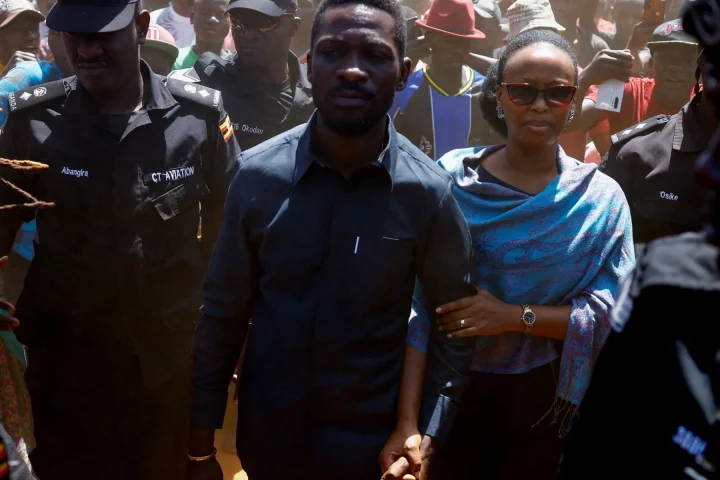
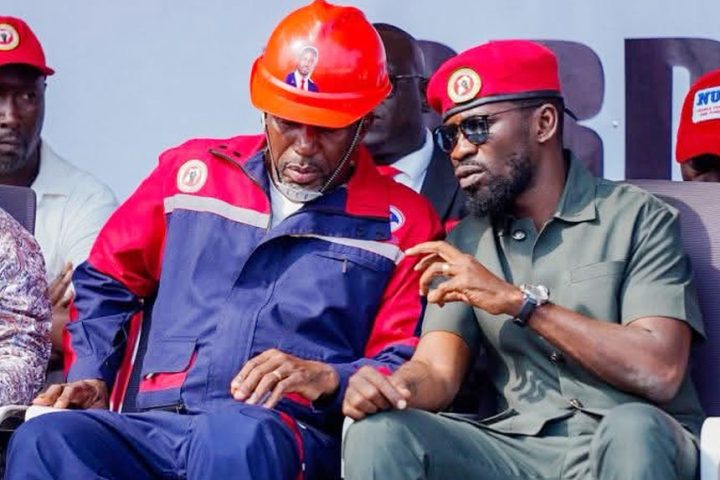
In 2021, Uganda saw a significant increase in youth voter registration, particularly after the government attempted to clamp down on protests and movements led by young activists. The #FreeBobiWine movement, led by musician-turned-politician Bobi Wine, highlighted the power of youth-led political activism and demonstrated that young Ugandans were ready to assert their influence in the political process.
Why the Youth Vote Matters in the 2026 Elections
Several key factors make the youth vote crucial in Uganda’s upcoming elections.
- High Proportion of the Voter Base The youth represent a significant portion of Uganda’s registered voters, making up nearly 75% of the electorate. Their participation in the election is vital for determining the outcome. Historically, the youth vote has been seen as fragmented, but with greater political mobilization in recent years, it has the potential to unite under a common cause, particularly if they feel their voices are heard and their concerns addressed.
- Frustration with the Status Quo Many young Ugandans are frustrated with the lack of economic opportunities, the rising cost of living, and what they perceive as stagnant leadership. The promise of change has always been a potent political tool, and in the 2026 elections, it could resonate strongly with young voters. This frustration is not just economic; many youth are also demanding greater political freedom, less corruption, and more transparency in governance.
- The Influence of Social Media and Digital Campaigning Social media has become an indispensable tool for political engagement in Uganda. With over 6 million Facebook users and significant penetration of other platforms like Twitter, Instagram, and WhatsApp, Uganda’s youth are consuming political content at an unprecedented rate. Political candidates are increasingly using digital campaigns to connect with young voters, bypassing traditional media channels and engaging directly with voters on their mobile phones and social media platforms. Candidates like Bobi Wine, who have leveraged social media to engage with younger generations, have made substantial inroads in appealing to youth, especially in urban areas. The ability to communicate through platforms like Facebook, Twitter, and TikTok allows candidates to present their ideas in a way that resonates with youth culture, making them more relatable and accessible.
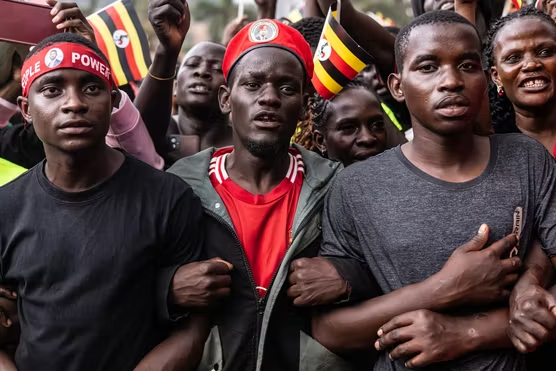
- Political Activism and Grassroots Movements The youth vote in Uganda is no longer confined to election day. Young people are increasingly active in political campaigns year-round, organizing rallies, protests, and grassroots movements to promote their political ideals. The rise of movements like the People Power campaign, which gained massive traction among young Ugandans, showed that the youth were ready to take to the streets to demand change. These movements have also increased political engagement, with many youth now involved in political parties, civil society organizations, and community-based projects. This sense of political activism among Uganda’s youth is likely to play a major role in shaping the 2026 elections, especially if there is a unifying cause or figurehead to rally behind.
Issues Driving the Youth Vote
While the youth vote is significant, it is also complex. Young Ugandans are not a monolithic group, and they hold diverse views on a range of issues. Some of the top concerns likely to drive the youth vote in the 2026 elections include:
- Employment and Economic Opportunities One of the most pressing issues for young Ugandans is the lack of job opportunities. The Ugandan economy has struggled to absorb the growing number of young people entering the workforce. High unemployment rates and underemployment are major concerns for young voters, with many struggling to find stable, well-paying jobs. Candidates who present clear plans to stimulate economic growth, create jobs, and invest in skills development are likely to resonate with the youth vote.
- Education and Skills Development Education is another area where young Ugandans expect reform. While Uganda has made strides in expanding access to primary education, the quality of education, especially in higher institutions, remains a challenge. The youth are calling for more accessible, affordable, and relevant education that equips them with the skills needed for today’s job market. Candidates who focus on improving the education sector and ensuring that young people have the skills required for the modern workforce will likely gain traction among young voters.
- Corruption and Governance Corruption remains a significant issue in Uganda, and the youth are increasingly vocal in their opposition to it. They are demanding greater transparency and accountability from their leaders. The rise of youth-led movements calling for political reform has put the issue of corruption front and center in the political debate. Young voters are looking for leaders who are committed to tackling corruption and implementing transparent governance systems.
Predictions for the 2026 Elections
The youth vote is expected to play a critical role in determining the outcome of the 2026 elections. Given their high numbers, political parties will likely intensify efforts to engage and mobilize young voters, with digital platforms becoming central to campaign strategies.
The emergence of youth-led movements and political parties will likely challenge traditional power structures, particularly if they can unite young voters behind a common cause. The 2026 elections may see greater voter turnout among the youth, especially if their key concerns, such as job creation, education, and governance reform, are addressed by the candidates.
The youth vote in Uganda is no longer an afterthought; it is a powerful force that could determine the direction of the country in the 2026 elections. As more young Ugandans become politically engaged and demand change, politicians will have to listen, adapt, and provide solutions that resonate with this crucial demographic. If young voters mobilize in large numbers and vote as a block, they have the power to break the political status quo and shape Uganda’s future.