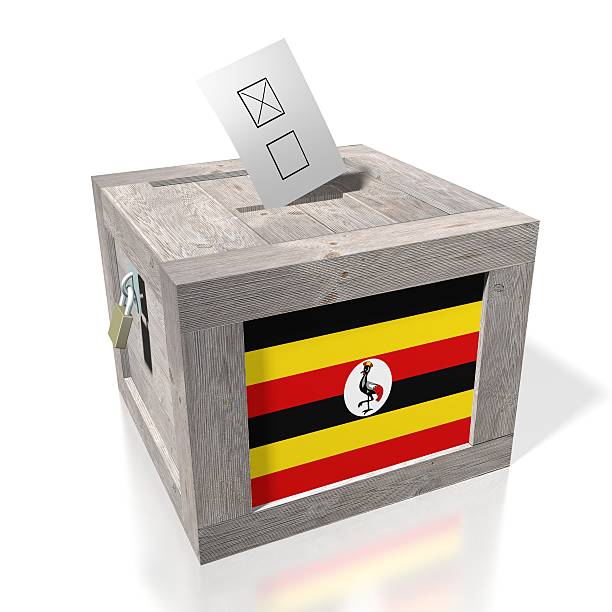
As Uganda prepares for the 2026 general elections, the stakes could not be higher. The nation’s economic future hangs in the balance, with political leaders promising different approaches to addressing Uganda’s challenges in unemployment, poverty, inflation, and infrastructure development. As voters head to the polls, the economic agenda will be a defining factor in the election, shaping the country’s trajectory for years to come.
Uganda, which has seen impressive economic growth over the past two decades, faces several critical issues that require urgent attention. From improving the business climate to tackling youth unemployment and diversifying the economy, the 2026 elections will determine how Uganda confronts these challenges and capitalizes on its opportunities.
Uganda’s Economic Landscape: Current Situation
Over the past 10 years, Uganda has experienced steady economic growth, with the World Bank estimating a GDP growth rate of 3-4% annually. The country has made strides in sectors like agriculture, services, and manufacturing. However, despite this growth, a significant portion of the population remains trapped in poverty, and unemployment, especially among the youth, continues to rise.
The country’s economy remains heavily dependent on agriculture, with more than 70% of Ugandans relying on farming for their livelihood. While the services sector, including tourism, has shown potential, Uganda still faces major challenges related to infrastructure, education, health, and technology. For instance, road networks outside urban areas remain underdeveloped, contributing to high transportation costs and reducing access to markets for rural communities.
Key Economic Issues in the 2026 Elections
- Youth Unemployment and Economic Empowerment One of the most pressing issues for voters, especially young Ugandans, is the lack of job opportunities. Uganda’s youth population, which makes up a significant portion of the electorate, is growing rapidly, but the economy has not been able to provide adequate employment. According to the Uganda Bureau of Statistics, youth unemployment stands at over 13%, with many graduates unable to find work in their fields of study. Political parties will need to offer comprehensive policies that provide sustainable job opportunities. Job creation strategies could include promoting the private sector, supporting entrepreneurship, expanding vocational training, and investing in industries like manufacturing, information technology, and renewable energy.
- Inflation and Cost of Living Inflation has been a persistent problem in Uganda, affecting the cost of living, particularly for ordinary Ugandans. With prices of basic commodities like food, fuel, and transport skyrocketing, many citizens feel that their purchasing power has significantly weakened in recent years. The 2026 elections will see the public demand answers on how political leaders plan to curb inflation and stabilize the economy. Key factors that candidates will need to address include managing monetary policy, controlling the prices of key goods, and exploring ways to reduce the national debt burden. Ugandans are also calling for greater transparency in public finance management and the need for improved local production to reduce dependence on imports.
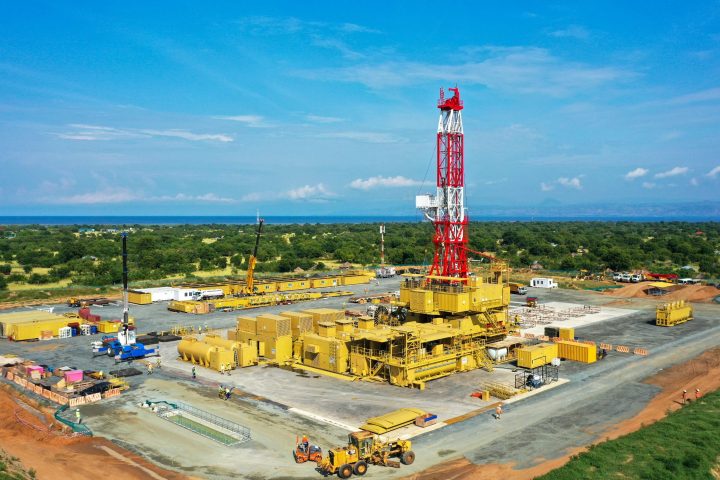
- Infrastructure Development and Regional Integration Infrastructure development remains a critical part of Uganda’s economic future. As the economy grows, there is a need for robust infrastructure in areas like transport, energy, and telecommunications. Uganda’s road networks, railways, and power grid must be modernized to support industrialization and make the country more competitive in the global market. The government’s ongoing focus on energy generation, such as the construction of hydroelectric dams like the Karuma Power Project, is a step in the right direction. However, candidates will need to outline their plans to further improve energy access, especially in rural areas, as well as their vision for expanding regional trade networks through initiatives like the East African Community (EAC) integration.
- Agricultural Transformation and Rural Development Agriculture remains Uganda’s economic backbone, and it provides livelihoods for over 70% of the population. Yet, the sector faces numerous challenges, including low productivity, inadequate access to markets, poor infrastructure, and limited access to modern farming techniques. The 2026 elections will likely see agricultural policy at the forefront of the debate. Candidates are expected to propose strategies for transforming agriculture into a modern, commercial sector by introducing high-tech farming solutions, improving irrigation systems, and expanding access to agricultural credit. Furthermore, the focus will likely shift toward addressing rural poverty, improving access to healthcare and education in rural areas, and providing better market linkages for farmers.
- Debt Management and Fiscal Responsibility Uganda’s growing public debt is another issue that will likely dominate the 2026 elections. The country’s debt has risen sharply in recent years, primarily due to borrowing for large infrastructure projects. While these projects have the potential to stimulate growth, concerns remain about the sustainability of the country’s fiscal policies. In the lead-up to the 2026 elections, Ugandans will be keen to hear from candidates on how they plan to manage national debt and ensure that borrowed funds are effectively invested in high-impact sectors that drive long-term growth.
- Private Sector Development and Investment For Uganda to achieve sustainable economic growth, there is a need for more private sector involvement in driving the economy. Promoting local businesses, supporting startups, and attracting foreign direct investment (FDI) will be key in expanding Uganda’s industrial base and creating high-paying jobs. The 2026 elections will see candidates outlining how they plan to improve Uganda’s business climate by reducing bureaucracy, enhancing access to finance for small and medium enterprises (SMEs), and creating incentives for industries like tech, manufacturing, and agriculture.
The Role of the Youth in the 2026 Elections
Uganda’s youth will play a crucial role in determining the country’s economic future. With nearly 80% of the population under the age of 35, their voices and votes will have a significant impact on shaping the next government’s economic policies. Young voters are increasingly politically aware and active, with many mobilizing through social media platforms and grassroots movements.
Candidates will need to tailor their economic policies to address the specific needs of young Ugandans, especially in terms of employment, education, and access to opportunities. Offering solutions to the challenges faced by young people will be key in winning their support.
The 2026 Election: A Crossroads for Uganda’s Economic Future
Uganda’s economy stands at a crossroads. The 2026 elections will be an opportunity for the people of Uganda to determine the direction of the country’s economic future. The candidates who succeed will need to offer comprehensive, realistic, and innovative solutions to the pressing issues facing the country, from youth unemployment to inflation and infrastructure development.
With a young, vibrant electorate eager for change, the outcome of the 2026 elections will have a lasting impact on Uganda’s path towards economic prosperity, and it will be a defining moment for the future of the nation.