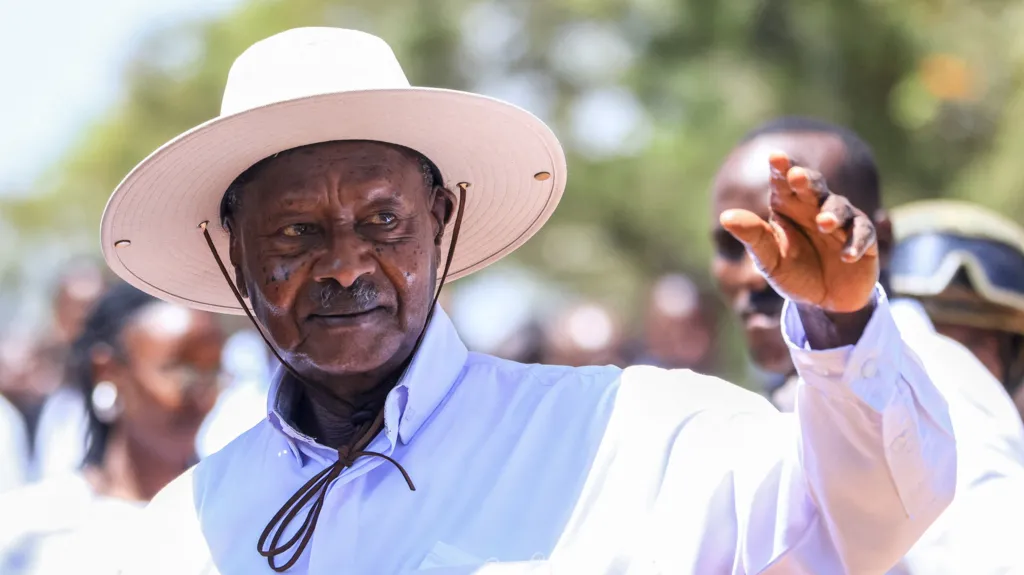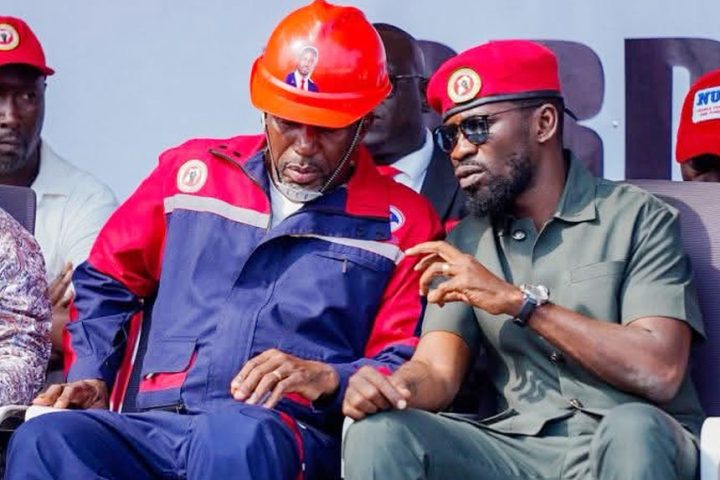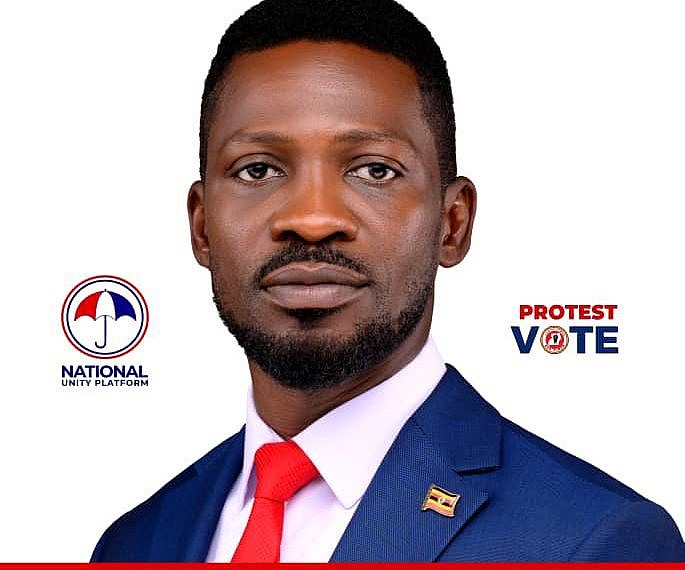
In Uganda’s political landscape, Bobi Wine—real name Robert Kyagulanyi Ssentamu—has emerged as one of the most prominent figures advocating for change. Known for his music career, Bobi Wine transitioned into politics in 2017, and since then, he has become a symbol of youth-led political activism and a strong challenger to the long-standing regime of President Yoweri Museveni, who has been in power since 1986.
Bobi Wine’s campaign for change is rooted in the frustrations of many Ugandans, particularly the youth, who feel disenfranchised, economically marginalized, and stifled by an autocratic government. His political rise represents a shift in Uganda’s politics—a move towards a younger, more dynamic approach to governance. As Uganda gears up for the 2026 general elections, Bobi Wine’s political journey is a story of resilience, hope, and the fight for a better future.
The Rise of Bobi Wine in Ugandan Politics
Bobi Wine first made his mark in Uganda’s music scene, gaining fame with his unique blend of reggae and pop, combined with politically charged lyrics. However, his music was not just entertainment; it was a platform for social and political commentary. Songs like “Kyarenga” and “Bikwase Kyagulanyi” spoke directly to the struggles faced by Ugandans, addressing issues like poverty, corruption, and inequality.
In 2017, Bobi Wine took his activism a step further by entering politics. He won a parliamentary seat in the Kyadondo East constituency as an independent candidate, defeating his opponent from the ruling National Resistance Movement (NRM). His victory was seen as a challenge to the dominance of Museveni’s government, and it galvanized the youth, who were eager for change.
Bobi Wine’s political message is simple yet powerful: he seeks to create a Uganda where young people have opportunities, where corruption is eradicated, and where democracy is respected. His rise has given voice to the millions of Ugandans who feel neglected by the establishment.
A Campaign Focused on Youth and Change
At the core of Bobi Wine’s political ideology is the empowerment of Uganda’s youth. With over 75% of Uganda’s population under the age of 30, young people are the most significant voting bloc in the country. However, many of them are frustrated by the lack of job opportunities, high levels of unemployment, and limited access to quality education.
Bobi Wine’s campaign for change resonates strongly with the youth, who are tired of seeing their leaders grow older and remain in power without addressing their pressing concerns. His slogan, “People Power,” emphasizes the need for a new kind of leadership—one that is responsive to the needs of the people, especially the young.
In his speeches and campaigns, Bobi Wine frequently addresses the importance of education, job creation, and youth participation in decision-making. He calls for a government that will invest in the development of the youth, offering them the tools to succeed in an increasingly competitive world. He has advocated for a robust education system that will equip young people with skills in science, technology, engineering, and mathematics (STEM) fields, as well as vocational training.
Fighting Corruption and Improving Governance
Another key focus of Bobi Wine’s campaign is the fight against corruption. For many Ugandans, corruption has become a systemic problem that permeates every level of government. Public resources are often misallocated, and officials are frequently accused of embezzling funds meant for infrastructure, education, and healthcare.
Bobi Wine has been vocal about his determination to tackle this issue head-on. He has promised to establish a government that is accountable to the people, one where officials will be held to high standards of integrity. His campaign emphasizes transparency in governance, efficient use of public resources, and a crackdown on corruption that has plagued the country for decades.
In his vision for Uganda, Bobi Wine envisions a society where government officials are elected based on merit, and not on their political connections or ability to corrupt. He also stresses the importance of free and fair elections, and he has pledged to reform Uganda’s electoral system to ensure that the will of the people is respected.
Struggling for Political Freedom and Civil Rights
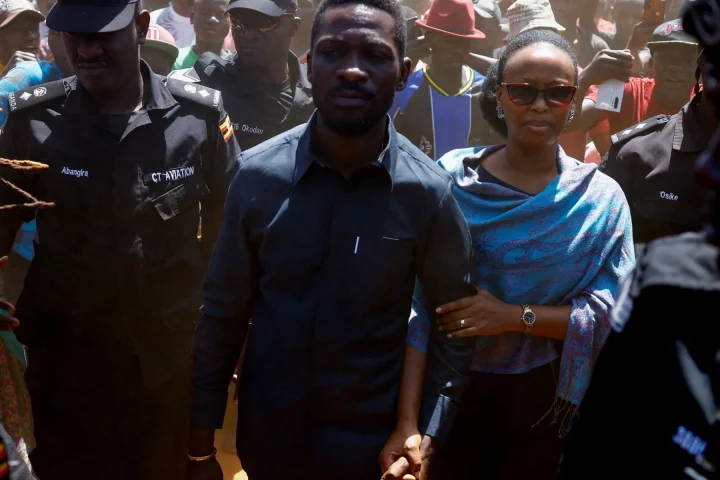
Bobi Wine’s campaign is also centered around the restoration of political freedoms and human rights. Under the leadership of President Museveni, Uganda has been criticized for restricting political opposition, cracking down on peaceful protests, and suppressing dissent. Bobi Wine himself has experienced firsthand the brutality of the regime, as he has been arrested, detained, and subjected to violence during his political campaign.
In 2018, Bobi Wine was arrested and allegedly tortured by the police following a rally in the run-up to the 2021 elections. His experience of police brutality and the subsequent international outcry highlighted the dire need for political reform in Uganda. Bobi Wine has vowed to fight for a Uganda where all political voices are heard and protected, and where individuals are free to express their opinions without fear of retaliation.
His commitment to human rights is further reflected in his stance on the press. Bobi Wine is an advocate for media freedom and has been critical of the government’s control over Uganda’s press, particularly its attempts to silence independent journalism.
The 2026 Elections: A Critical Moment for Bobi Wine
The 2026 general elections will be a critical moment for Bobi Wine and his campaign. Although he ran for president in 2021, where he garnered significant support, particularly among young people, he ultimately lost to Museveni. However, his campaign created a strong foundation for his political future, and his popularity among the youth has continued to grow.
In 2026, Bobi Wine is expected to run again, with a broader and more experienced political machine behind him. His message of change, youth empowerment, and anti-corruption will likely resonate even more strongly as Uganda’s political climate continues to shift. The support of the youth, who represent the largest voting bloc, will be crucial in determining whether Bobi Wine can challenge the long-standing political establishment.
Challenges Ahead: The Road to Victory
Despite his growing popularity, Bobi Wine’s path to victory is not without challenges. The political establishment remains deeply entrenched, and Museveni’s government continues to control much of the state machinery. In addition, Bobi Wine faces opposition from several political factions, each vying for the support of Uganda’s youth.
Nevertheless, Bobi Wine’s campaign represents a symbol of hope for many Ugandans. His message of unity, justice, and change has sparked a political awakening, particularly among the youth. His rise shows that political power in Uganda is no longer solely in the hands of the old guard—it is being redefined by a new generation of leaders who are determined to change the course of the nation.
Bobi Wine’s campaign for change in Uganda is not just about challenging the status quo—it is about creating a new vision for the future of Uganda. As the 2026 elections approach, Bobi Wine will continue to rally the youth and the marginalized, advocating for a government that serves the people and upholds democratic values. The outcome of these elections will determine whether Uganda’s political system can evolve and whether the country’s future will be defined by new leadership, a stronger economy, and greater political freedoms.