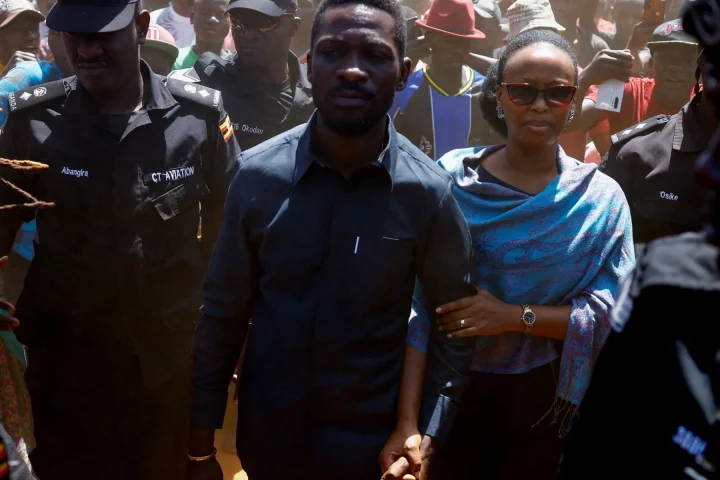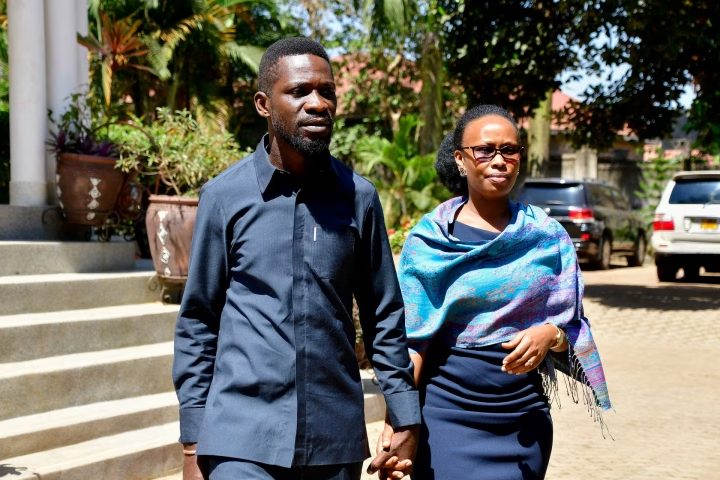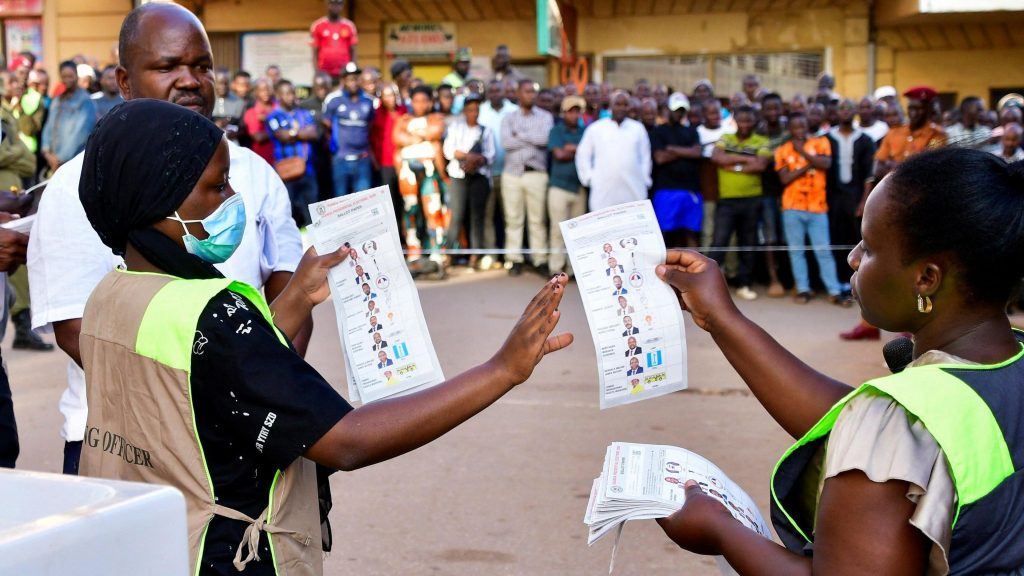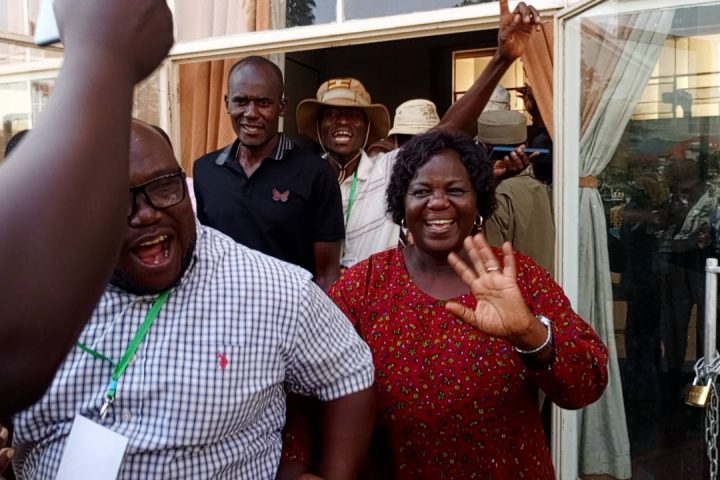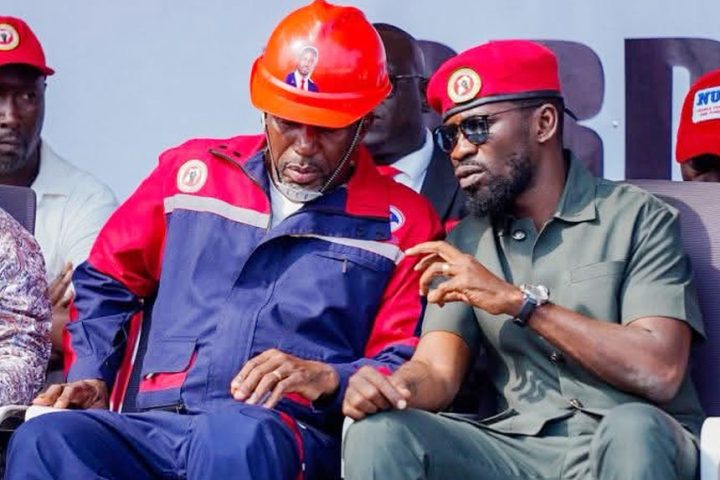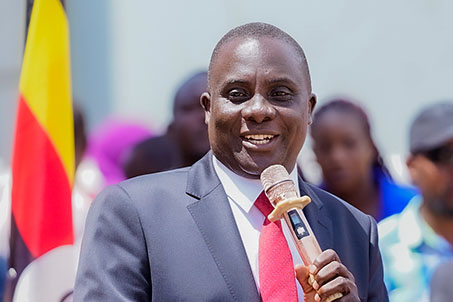
Ugandan police have arrested Muwanga Kivumbi, a top National Unity Platform (NUP) leader and close ally of Bobi Wine, over alleged Uganda election violence. Specifically, authorities accuse him of organizing attacks on a police station and a vote-tallying center after the party’s electoral loss. However, the NUP denies these claims entirely.
According to police, seven people died during the unrest in Butambala district. Yet Kivumbi tells a different story. He says ten people were killed at his home while supporters waited peacefully for parliamentary results. On Thursday, the Uganda Police Force confirmed his arrest on X. They added he would be “arraigned before court in due course” for involvement in “recent incidents of political violence.”
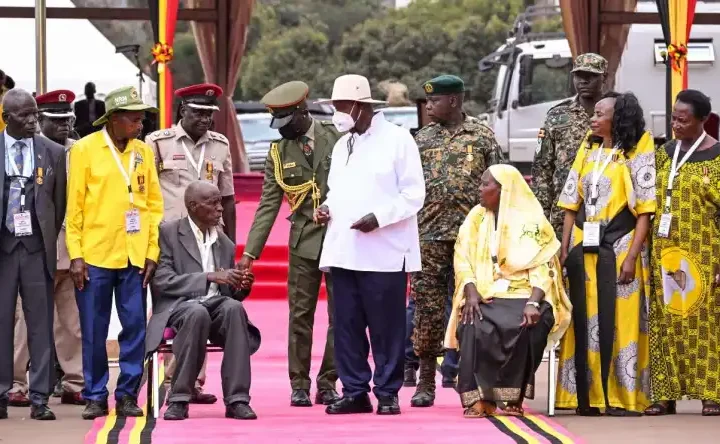
This arrest follows growing tensions after Uganda’s January 2026 elections. President Yoweri Museveni was declared winner of a seventh term. During his victory speech, he directly accused opposition figures—including Kivumbi—of planning violent attacks. He claimed armed groups with machetes targeted security posts. Police then shot dead seven individuals, he said.
Meanwhile, Bobi Wine remains in hiding. He fled after security forces raided his home. Wine has rejected the election results as “fake.” He cites widespread Uganda election violence, ballot stuffing, and voter suppression. Moreover, he alleges a “silent massacre” is targeting activists and civilians alike. Earlier this week, he claimed over 100 people had died—but offered no verifiable evidence.
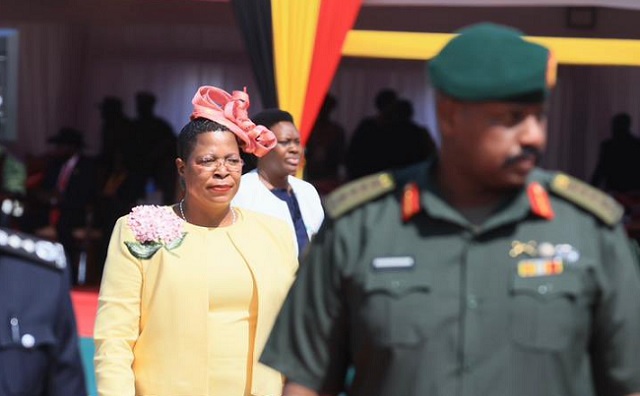
Notably, army chief Gen Muhoozi Kainerugaba—Museveni’s son—stated that security forces killed 22 opposition supporters during poll-related clashes. His comments have raised fears of state-backed violence. Consequently, trust in official narratives continues to erode.
Since the vote, police have arrested dozens of youths in Kampala. Many face charges linked to Uganda election violence. Critics argue these detentions aim to silence dissent, not enforce justice. In addition, an internet shutdown has blocked independent reporting. As a result, many accounts remain unconfirmed.
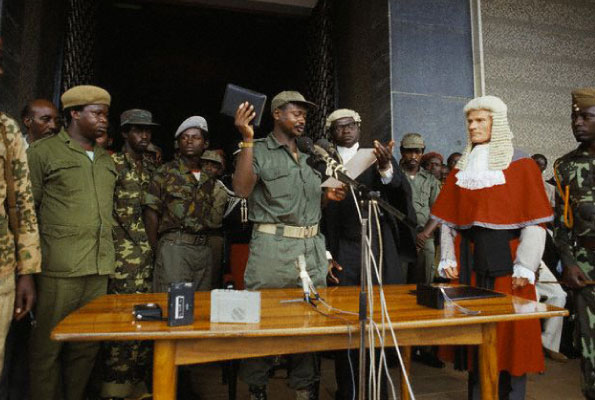
Museveni first took power in 1986 as a rebel leader. If he serves this full term, he will have ruled for 45 years by 2031. Importantly, Uganda has never seen a peaceful transfer of presidential power since independence. Therefore, Kivumbi’s arrest is more than a legal matter. It reflects a deeper crisis over democracy, accountability, and the future of opposition in Uganda. Ultimately, how the state handles such cases will shape public trust for years to come.
READ: Balimwezo Leads Kampala Lord Mayor Race Amid Low Turnout