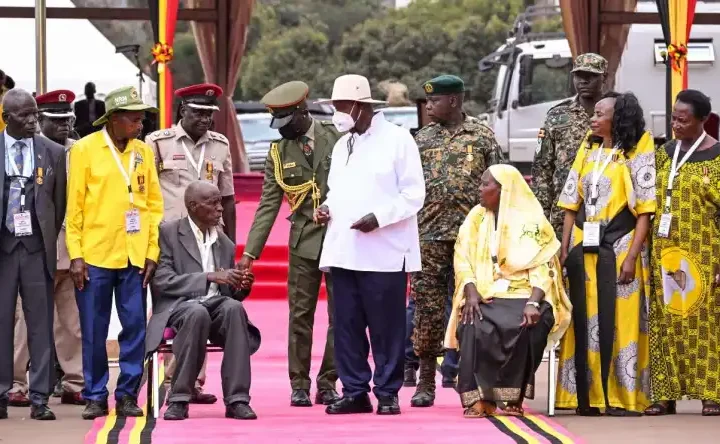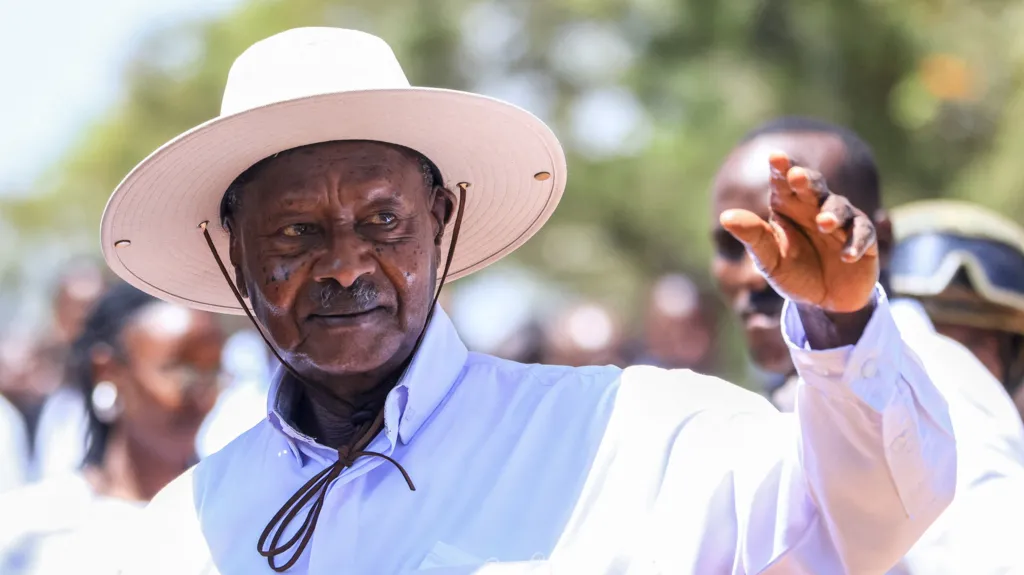
Kampala, Uganda: The national election commission has declared Yoweri Museveni the winner of Uganda’s latest presidential election, a result that extends his time in office beyond four decades and cements another five-year term at the helm of the East African nation.
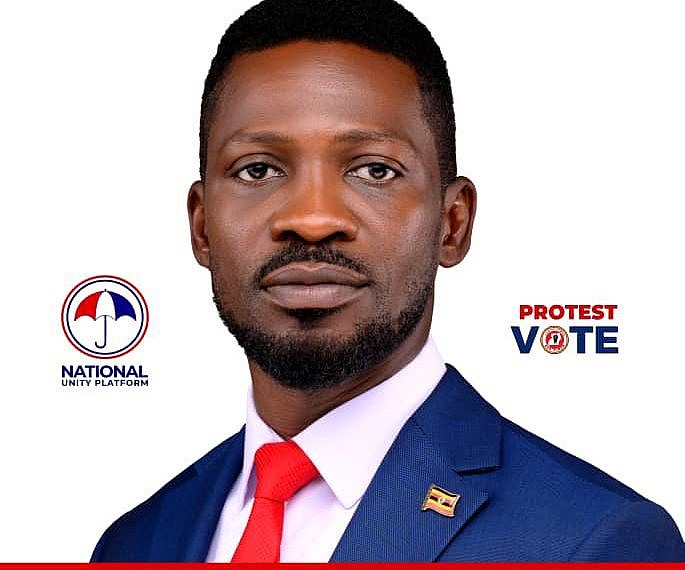
According to official figures released in the capital, Museveni secured 72 percent of the vote, while his closest challenger, Bobi Wine, received 25 percent. The announcement follows a tense campaign period marked by heavy security deployments, opposition complaints, and growing scrutiny from international observers.
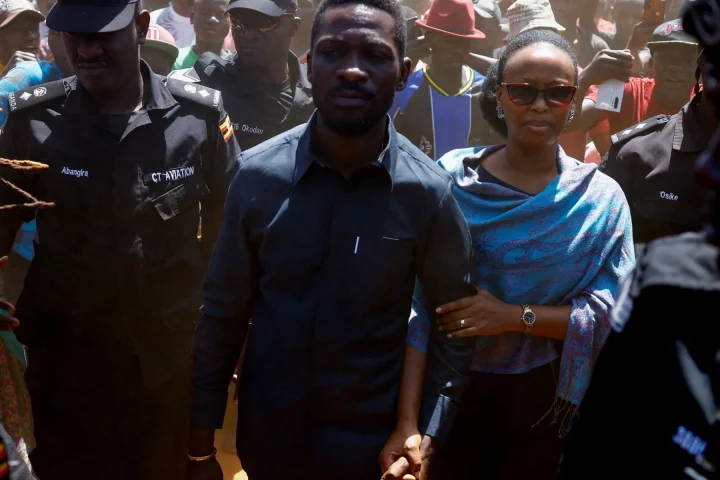
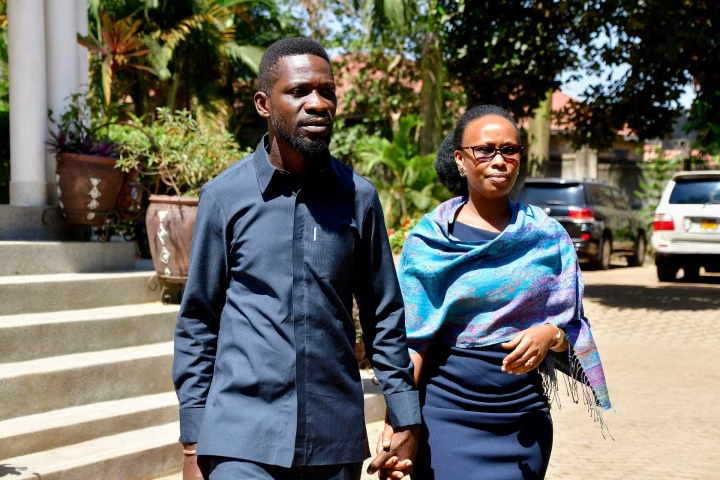
The Election Commission of Uganda said the vote reflected the will of the people, although opposition leaders have strongly disputed the outcome. Wine dismissed the results as fraudulent and accused authorities of ballot manipulation, claims the government has not formally addressed.
Museveni, now 81, first took power in 1986 after leading a rebel movement that ended years of instability. Since then, he has won seven elections, often arguing that his leadership guarantees national security and economic continuity. Supporters credit him with relative stability, while critics say prolonged rule has weakened democratic institutions.
The opposition has called on citizens to protest peacefully, even as authorities maintain tight controls in major cities, including Kampala. Security officials say restrictions are intended to prevent unrest, although civil society groups argue the measures limit political freedoms.
Violence surrounding the election has raised further concern. Opposition sources claim more than 20 people have been killed in recent days, while police have confirmed at least seven deaths linked to election-related incidents. Human rights groups say the true toll remains unclear due to restricted access and limited independent reporting.
Adding to the controversy, internet access across Uganda has been disrupted since before polling day. Authorities defend the shutdown as necessary to curb misinformation and prevent violence, but the UN human rights office has condemned the move as deeply troubling.
Wine has demanded the immediate restoration of internet services and denied police claims that his movements were restricted for security reasons. His party previously alleged he was briefly detained, a claim later disputed by law enforcement officials.
Despite the tension, voter turnout stood at 52.5 percent, with six other candidates each securing less than two percent of the vote. As Uganda enters another chapter under Museveni’s leadership, questions about governance, youth representation, and democratic reform are expected to dominate national debate in the weeks ahead.