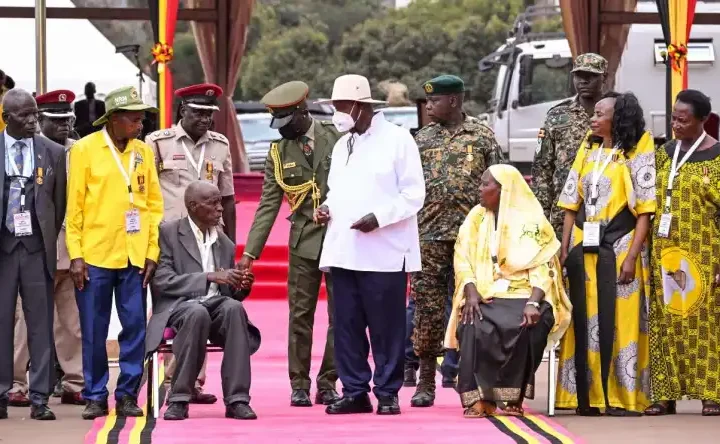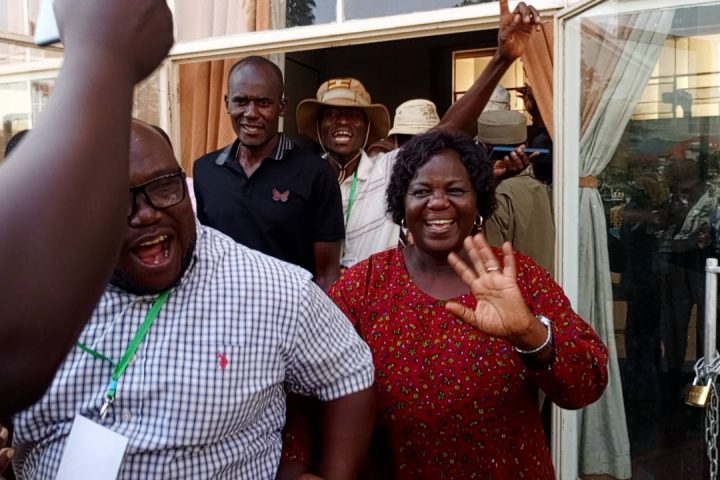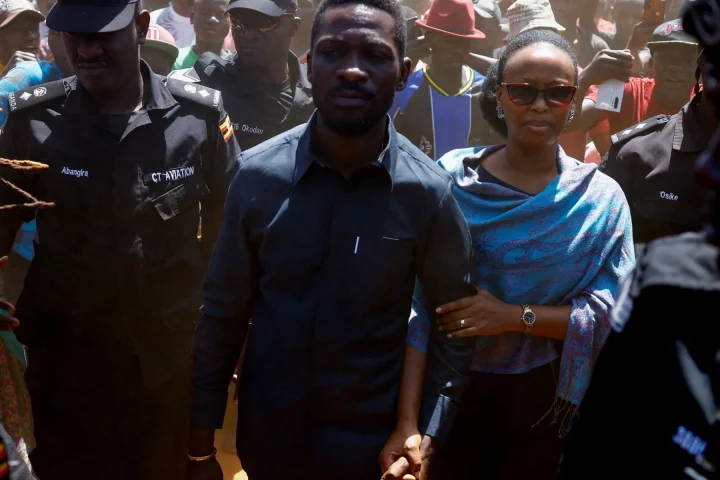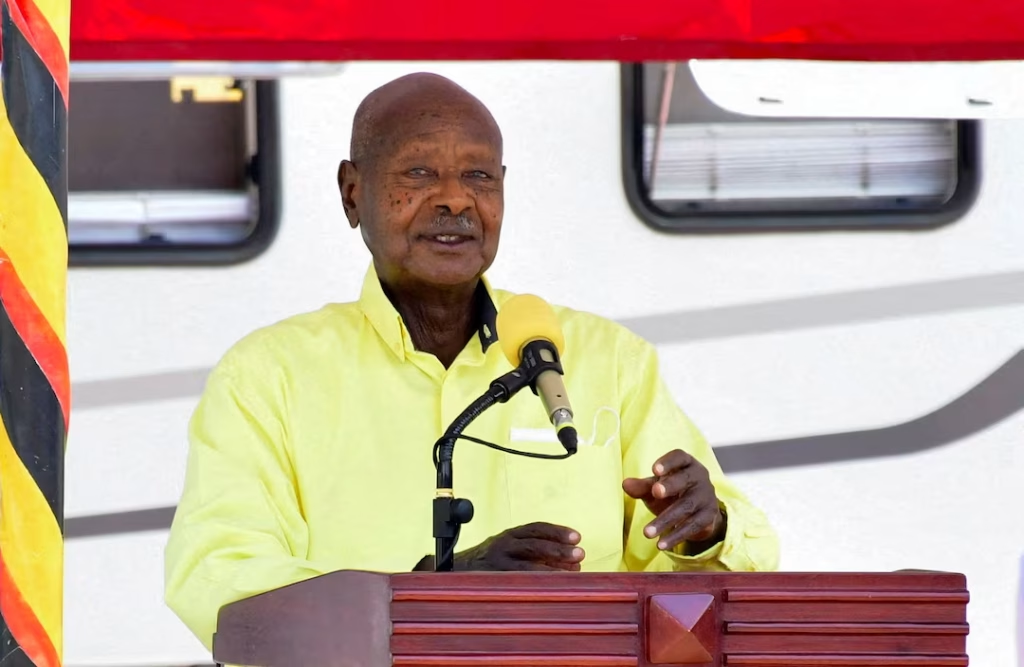
Uganda votes on Thursday in a presidential election that will shape the nation’s future. President Yoweri Museveni seeks a seventh term and a fifth decade in power. His main challenger is the youthful pop-star-turned-politician Bobi Wine. This Uganda presidential election is less about suspense and more about signaling. Museveni’s victory is widely anticipated due to his control of state institutions. However, the vote’s conduct and margin will have profound implications. Key issues include economic management, corruption, and the looming question of succession after Museveni’s 40-year rule.
The 81-year-old incumbent campaigns on a record of stability. He promises to elevate Uganda to middle-income status through manufacturing and new oil wealth. In contrast, 43-year-old Bobi Wine focuses on political freedoms and youth employment. He vows to review oil contracts and fight corruption. This Uganda presidential election is a clash of generations and visions. It occurs against a backdrop of past electoral violence and ongoing repression. Hundreds of opposition supporters have been detained ahead of the polls. The world watches to see if Uganda continues on its current path or signals a desire for change.
The Key Candidates and Their Platforms
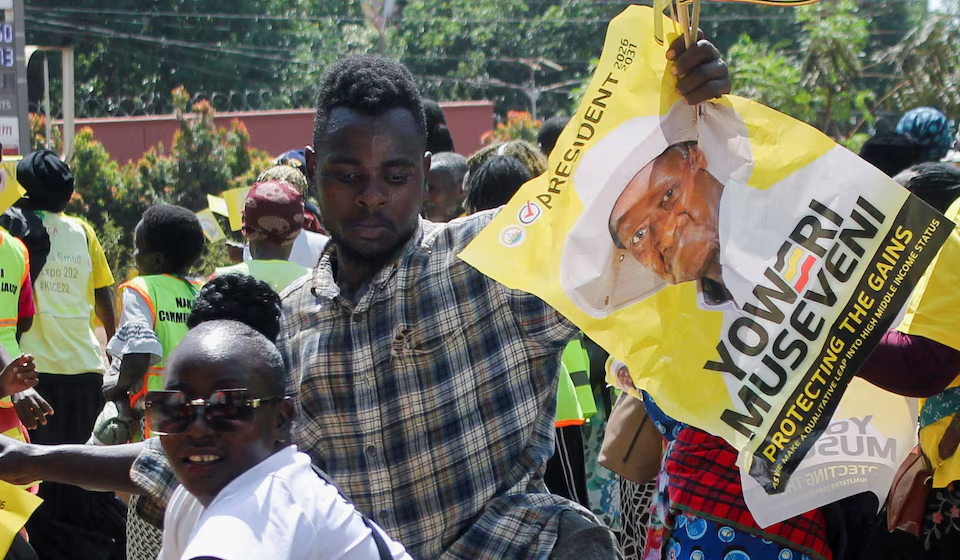
Yoweri Museveni leads the National Resistance Movement (NRM). He took power by force in 1986 and has won every election since. His slogan is “protecting the gains” of peace and stability. Museveni highlights the impending start of oil production as a transformative economic opportunity. Bobi Wine, whose real name is Robert Kyagulanyi, leads the National Unity Platform (NUP). He finished second with 35% in the 2021 election. His platform targets Museveni’s “40 years of dictatorship” and promises to restore democratic freedoms and create jobs for the youth bulge.
Other notable candidates include former military chief Mugisha Muntu and lawmaker Nandala Mafabi. However, the race is effectively a two-person contest. The government denies allegations of systemic human rights abuses. Nevertheless, Amnesty International describes a “brutal campaign of repression” against Wine’s supporters. This Uganda presidential election is therefore a test of whether a genuine opposition can compete under such asymmetric conditions. The candidates offer starkly different paths for the country’s next chapter.
Economic Stakes and the Oil Question
A major immediate stake is the management of Uganda’s nascent oil wealth. Commercial production in the Lake Albert fields is expected to begin later this year. The projects are led by TotalEnergies and China National Offshore Oil Corporation (CNOOC). Museveni views this oil as the engine for achieving middle-income status. Bobi Wine has pledged to review the production-sharing agreements. He argues they may not favor Ugandan interests enough. This Uganda presidential election could determine whether contracts are renegotiated, potentially unsettling foreign investors.
Beyond oil, the economy is a central concern. Youth unemployment is critically high. Museveni promises to add value to agricultural exports like coffee. Wine prioritizes job creation and fighting the corruption that stifles economic opportunity. The winner’s economic policies will impact millions. With regional neighbors like Kenya and Tanzania experiencing youth-led protests over economic grievances, Uganda’s stability is not guaranteed. The outcome of this Uganda presidential election will decide whose economic vision guides the response to these pressing challenges.
The Shadow of Violence and Repression
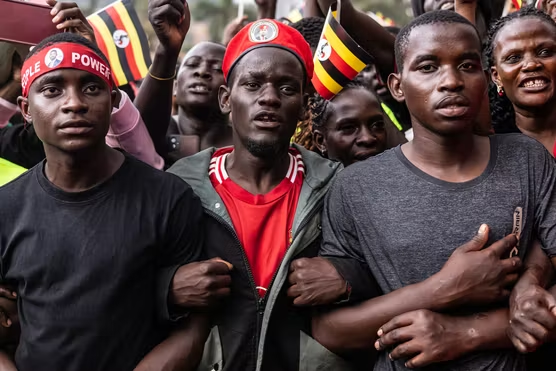
Elections in Uganda are historically violent. Security forces killed over 50 people before the 2021 vote during protests. The run-up to this election has seen similar patterns. Hundreds of opposition supporters have been detained, and at least one killed. Last week, the government banned live broadcasts of riots and “unlawful processions.” This move aims to control the narrative and prevent the spread of unrest. The potential for violence on and after election day is high, especially if results are disputed.
The government’s actions create a climate of fear. This environment calls the election’s credibility into question before a single ballot is cast. Observers will monitor not just the vote count but the atmosphere in which it occurs. Will voters feel safe to participate? Will the opposition accept the results? The manner of this Uganda presidential election may be as important as its result. A peaceful process could lend legitimacy to the outcome; a violent one could deepen the nation’s divisions and trigger a crisis.
The Unspoken Issue: Succession Planning
Perhaps the most significant long-term stake is the future beyond Museveni. At 81, he cannot rule indefinitely. The succession question hangs over this Uganda presidential election. Museveni is widely believed to be grooming his son, military chief Muhoozi Kainerugaba, as his heir. Kainerugaba has openly discussed his presidential ambitions, though Museveni denies any grooming. This prospect is controversial even within the ruling NRM, where other powerful figures also harbor ambitions.
This election may offer clues about the succession landscape. Analysts will scrutinize Museveni’s margin of victory. In 2021, he won 58%, his lowest ever. A further decline could weaken his grip and embarkment factions within his party. The performance of Bobi Wine will also indicate the strength of an alternative to the NRM dynasty. Therefore, this Uganda presidential election is a key moment in a longer transition. It will influence the balance of power whenever the eventual succession finally occurs.