Uganda industries are facing a difficult challenge as manufacturers struggle to secure reliable supplies of raw materials while also finding workers with the practical skills needed to keep factories running efficiently.
The two problems are becoming increasingly important as the country pushes to expand manufacturing, create employment and reduce its dependence on imported finished goods.
At the 32nd Uganda International Trade Fair, attention turned to these challenges, particularly the difficulties facing agricultural processors and the gap between what young people learn in training institutions and what employers expect when they enter the workplace.
Discussions at the Agricultural and Industrial Education Pavilions highlighted a familiar problem. Uganda produces a wide range of agricultural commodities, yet many local manufacturers still struggle to obtain enough raw materials of consistent quality. At the same time, businesses searching for technically skilled employees often find that applicants need additional practical training before they can handle factory operations.
For a country hoping to transform its economy through industrialisation, these are not minor concerns. They affect production costs, business expansion, employment opportunities and the competitiveness of locally manufactured goods.
Uganda Industries Struggle With Reliable Raw Material Supplies
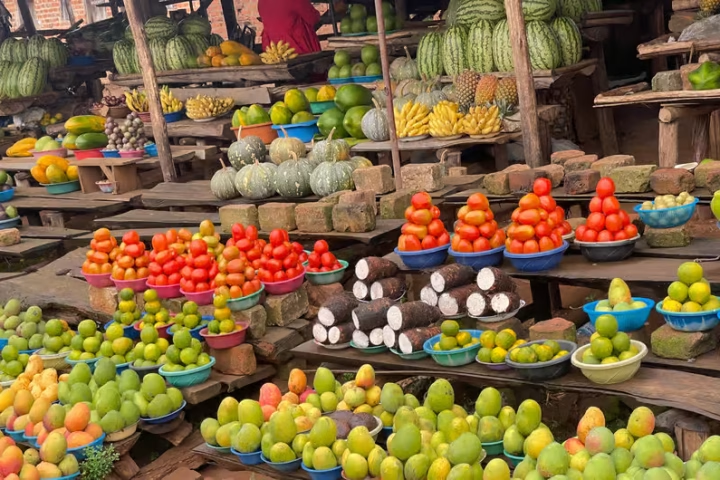
Uganda is an agricultural country, with farmers producing coffee, maize, cotton, milk, fruits, oilseeds and other commodities used in manufacturing.
On paper, this gives the country an advantage when it comes to agro-processing.
Factories should be able to purchase agricultural produce locally, process it into finished products and supply both domestic and international markets.
In practice, the situation is more complicated.
Many manufacturers cannot always obtain the quantities they need at the right time or in the condition required for industrial processing.
Agricultural production is often affected by changing weather patterns, seasonal harvests, inadequate storage facilities and weaknesses in transportation networks.
A factory processing fruits, for example, needs a dependable supply throughout its operating season. If deliveries become irregular or the quality of produce varies significantly, production becomes difficult to plan.
The problem is not necessarily that Uganda lacks agricultural resources. It is that getting those resources from farms to factories in the right quantities and quality remains a challenge.
Uganda’s Fourth National Development Plan identifies inadequate supplies and inconsistent quality of locally sourced raw materials as major obstacles to manufacturing growth. The plan also notes that these weaknesses increase reliance on imported industrial inputs.
For local businesses, importing materials that could potentially be sourced domestically can increase costs and expose production to currency fluctuations and supply disruptions.
Farmers and Manufacturers Need Stronger Connections
One of the biggest opportunities for Uganda’s manufacturing sector lies in improving relationships between farmers and industrial processors.
Many farmers produce crops without having guaranteed buyers, while factories struggle to secure predictable supplies.
Bringing the two sides closer together could help address both problems.
For farmers, supply agreements with processors can provide a more dependable market and encourage investment in improving production.
For manufacturers, working directly with organised farmer groups or cooperatives can make it easier to plan purchases and maintain consistent quality.
The arrangement can also encourage farmers to grow crops suited to particular industrial requirements.
A food-processing company, for instance, may need produce with specific characteristics that differ from what is normally sold in local markets.
Without proper coordination, farmers may produce what they can sell immediately, while manufacturers continue searching for suitable inputs.
Better storage facilities, collection centres, irrigation and transport services could also reduce losses between harvesting and processing.
In September 2026, concerns about raw material supplies were raised during a government visit to manufacturing facilities in Seeta and Namanve.
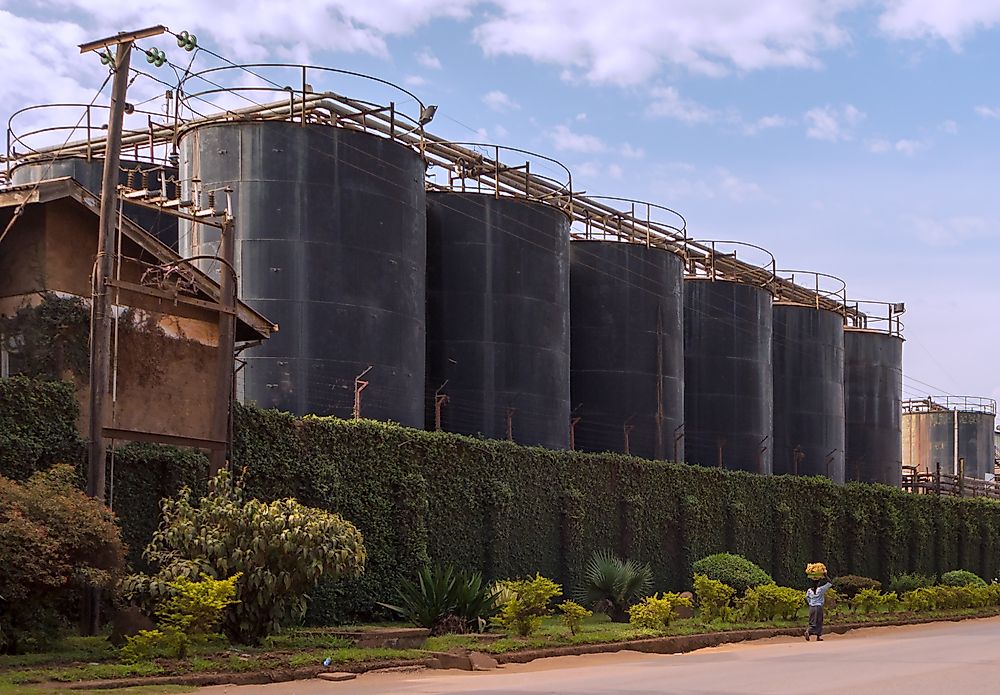
At Avado Industries, an avocado oil processor, management expressed concern about the export of raw avocados, which can compete with local processors for supplies.
The company was reported to have invested $3.5 million and employed more than 300 workers, demonstrating the employment potential of agricultural value addition.
The example shows how a country can produce valuable agricultural commodities while its own processing industries face difficulties obtaining sufficient supplies.
Skills Gaps Are Making Manufacturing More Difficult
Raw materials are only one part of the problem.
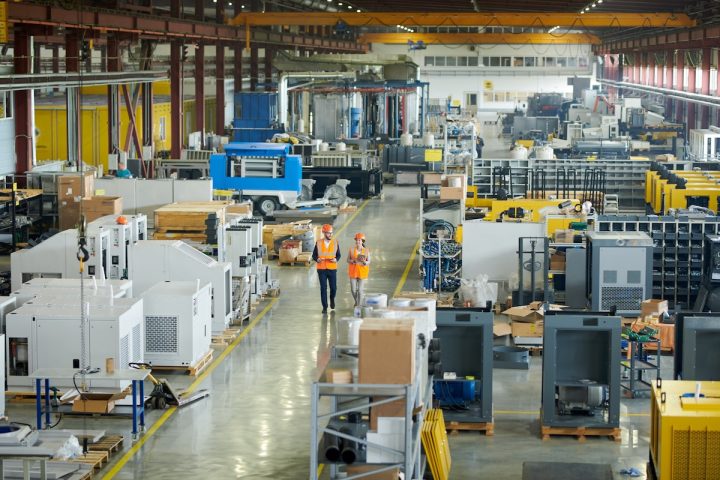
Factories also need people who know how to operate machinery, maintain equipment, manage production processes and ensure products meet quality standards.
This is where Uganda faces another challenge.
Thousands of young people complete school or training each year hoping to find employment. Yet manufacturers often need workers with practical experience that cannot be gained entirely through classroom instruction.
The result is a mismatch between the skills jobseekers possess and those required by employers.
A graduate may understand the theory behind electrical systems but still need training to maintain industrial equipment.
Someone who has studied mechanical engineering may require additional experience before independently handling specialised factory machinery.
These are skills that develop through practical work, supervision and exposure to real production environments.
Uganda’s Economic Policy Research Centre highlighted this problem in a September 2026 policy brief on work-based learning.
The research found that demand for workplace training opportunities exceeds the number of placements available, particularly among smaller businesses that lack the equipment, space or financial resources to accommodate trainees.
It also identified weak connections between training institutions and employers as a major obstacle to effective skills development.
For manufacturers, this can mean spending additional time and money training newly recruited workers.
For young people, it creates the frustrating situation of having educational qualifications but struggling to meet employers’ practical expectations.
Why Practical Training Matters for Uganda Industries
Improving technical education could make a major difference to Uganda industries.
Manufacturing increasingly depends on machinery, automation, digital systems and specialised production techniques.
Even relatively small factories now require workers who understand electrical installations, equipment maintenance, welding, fabrication, production safety and quality control.
As businesses adopt more sophisticated technology, these skills become even more important.
Uganda has technical institutions, vocational training centres and industrial skilling programmes. However, the challenge is ensuring that the training offered reflects the actual needs of employers.
A stronger approach would involve manufacturers directly in designing training programmes.
Factories could provide internship opportunities, allow trainees to gain supervised practical experience and help institutions identify the skills most needed in the labour market.
Students would benefit from exposure to real working conditions before graduation.
Employers, meanwhile, would have a better opportunity to recruit workers who already understand basic production processes.
The Economic Policy Research Centre has recommended closer partnerships between educational institutions and industry, alongside measures to help smaller businesses accommodate trainees.
Such cooperation could make technical education more useful while improving employment opportunities for young Ugandans.
Manufacturing Costs Are Adding to the Pressure
Even when factories manage to secure raw materials and skilled workers, they still face other operating expenses.
Electricity, transport, financing, taxes, equipment maintenance and imported industrial inputs can all affect production costs.
These expenses make it difficult for some Ugandan businesses to compete with imported products.
In April 2026, the Uganda Manufacturers Association warned that rising production costs, policy uncertainty and structural challenges were putting additional pressure on the sector.
The association reported that manufacturing contributed up to 16.5% of Uganda’s gross domestic product, directly employed more than 1.3 million people and generated approximately $2.9 billion in exports. These were industry association estimates presented during its engagement with Parliament.
The figures illustrate why manufacturing matters to the wider economy.
When factories expand, they do not create jobs only for machine operators and production supervisors.
They also generate demand for transporters, mechanics, packaging suppliers, agricultural producers and businesses providing other services.
Likewise, when manufacturers struggle, the effects can spread across their supply chains.
A factory operating below capacity may purchase fewer agricultural products, postpone recruitment or delay planned investments.
For smaller manufacturers, these pressures can be particularly difficult to absorb.
Uganda Wants to Process More of What It Produces
For years, Uganda has exported agricultural produce and minerals that could potentially generate greater economic value through local processing.
Coffee is one example.
Uganda is a major coffee producer, but much of its export trade has traditionally involved green coffee beans rather than roasted, packaged consumer products.
Although exporting unprocessed commodities generates foreign exchange, processing them locally can create additional opportunities in packaging, branding, logistics and manufacturing.
Similar opportunities exist in cotton, dairy products, fruits, minerals and other resources.
The government has increasingly promoted value addition as part of its broader economic development strategy.
In September 2026, Trade Minister Sanjay Tanna called for stronger investment in manufacturing and the processing of locally available resources.
He identified agriculture, minerals, pharmaceuticals, textiles, leather, construction materials and information technology as sectors with opportunities for industrial expansion.
However, value addition requires more than constructing factories.
Businesses need dependable raw materials, affordable financing, skilled workers, access to markets and predictable government policies.
Without these conditions, processing products locally may remain more expensive than importing finished goods.
Industrial Parks Offer Opportunities, but Challenges Remain
Uganda has invested in industrial parks and manufacturing facilities as part of its efforts to attract investors and create employment.
These projects are intended to bring businesses together in areas where they can access infrastructure, utilities and supporting services.
Industrial parks can also make it easier for manufacturers to work with suppliers and share certain facilities.
However, their success depends on how well they are developed and managed.
Uganda’s Fourth National Development Plan acknowledges that the country’s industrial infrastructure has not yet reached its intended level of development.
The plan identifies weaknesses in industrial park facilities, raw material supplies, technical skills and the adoption of modern manufacturing technologies.
It also highlights the importance of stronger connections between research institutions, businesses and training providers.
These findings suggest that expanding the number of factories alone will not solve the country’s industrial challenges.
Existing businesses must also be able to operate efficiently.
Improving roads, power reliability, water supplies, waste management and access to technical support could help industrial parks become more productive.
Local Manufacturers Are Already Showing What Is Possible
Despite the difficulties, some Ugandan manufacturers are demonstrating how stronger local supply chains can support production.
During an August 2026 factory visit, State Minister for Industry David Bahati toured several businesses involved in manufacturing and value addition.
At Mesha Steel Industries, the company’s managing director, Lydia Mwesigwa, reported that approximately 95% of its raw materials were sourced locally.
The company said it directly employed 200 Ugandans and supported more than 2,000 livelihoods through its broader operations and supply chain.
Examples like this show why local sourcing matters.
When a factory buys materials from domestic suppliers, some of its spending circulates through other Ugandan businesses.
That can support employment and encourage investment in related industries.
However, replicating such results across manufacturing will require reliable supply chains and consistent product standards.
Not every industry can obtain all its inputs locally, particularly when production depends on specialised chemicals, machinery or materials unavailable in Uganda.
The more realistic goal is to increase domestic sourcing where it is technically and commercially viable while ensuring manufacturers can still access essential imported inputs.
What Uganda Must Do to Close the Skills and Raw Materials Gaps
Uganda’s industrial challenges are closely connected, which means addressing one problem without considering the others may produce limited results.
Improving agricultural productivity, for example, will have less impact on manufacturing if farmers cannot transport their produce to processing facilities.
Similarly, building technical training centres will not fully address unemployment if students leave without the practical experience employers require.
A more coordinated approach would bring farmers, manufacturers, training institutions and government agencies together.
Agricultural producers need better market information and opportunities to supply factories through predictable purchasing arrangements.
Manufacturers need access to reliable inputs, reasonable financing and infrastructure that allows them to operate competitively.
Training institutions must pay closer attention to the skills businesses actually require.
There is also a role for research and innovation.
Universities and technical institutions can work with manufacturers to develop better processing methods, improve product quality and reduce waste.
These partnerships could help industries adopt technologies suited to Uganda’s operating conditions rather than relying entirely on imported solutions.
The Future of Uganda Industries Depends on Getting the Basics Right
Uganda has considerable potential to expand manufacturing.
Its agricultural resources, growing population, regional market access and opportunities for value addition provide a foundation for industrial development.
But potential alone cannot keep factories operating.
A manufacturer needs raw materials arriving when they are required. Machines must be maintained by people who understand how they work. Products must meet market expectations, and businesses must earn enough to cover their costs and invest in expansion.
These are everyday realities for factory owners, workers and suppliers.
The concerns raised at the 32nd Uganda International Trade Fair therefore go beyond a discussion about raw materials and technical education.
They highlight the practical work Uganda must undertake if it wants industrialisation to create lasting economic opportunities.
For young people looking for employment, stronger links between training and industry could mean a better chance of finding meaningful work.
For farmers, closer relationships with processors could provide more stable markets for their produce.
And for manufacturers, reliable local supply chains could make production less expensive and easier to plan.
Uganda industries have opportunities to grow, but taking advantage of them will require sustained investment, coordination and attention to the challenges businesses face every day.
The country’s industrial future will depend not only on how many factories are opened, but also on whether those factories have the materials, skills and support needed to keep producing.