Uganda has been declared free of Ebola, but Washington is not ready to lift its restrictions, citing the continuing outbreak in neighbouring DR Congo and concerns about cross-border infections.
The United States has extended Ebola travel restrictions affecting Uganda for another 30 days, despite repeated appeals from the World Health Organization (WHO) and the Africa Centres for Disease Control and Prevention (Africa CDC) to reconsider the measures.
The decision, announced through a new notice dated October 11, 2026, means certain travellers who have recently been in Uganda, the Democratic Republic of Congo (DRC) or South Sudan will continue to face restrictions when seeking entry into the United States.
For Uganda, the extension is particularly frustrating because the country has already been declared free of the outbreak.
Ugandan health authorities announced the end of domestic transmission in July, while WHO and Africa CDC welcomed the completion of a further 42-day monitoring period on August 27.
Yet Washington maintains that the continuing Ebola outbreak in eastern Congo presents a risk to neighbouring countries, including Uganda.
The United States is particularly concerned about movement across the Uganda-DRC border, where people regularly travel for business, family visits and medical care.
The latest extension has renewed debate over whether broad travel restrictions are the most effective way to prevent the international spread of Ebola.
Why the US Has Extended Ebola Travel Restrictions
The US Centers for Disease Control and Prevention (CDC) says the decision is based on continuing public health concerns in the region.
Although Uganda successfully contained its outbreak, the situation in the Democratic Republic of Congo remains serious.
The DRC has been battling a major outbreak of Bundibugyo virus disease, a form of Ebola, since May 2026.
Thousands of infections and deaths have been reported as health workers struggle to control transmission, particularly in areas affected by conflict and limited access to healthcare.
The CDC argues that Uganda remains vulnerable because of its proximity to the affected Congolese provinces.
People continue to cross the border for treatment, trade and other activities, creating opportunities for infections to spread beyond the original outbreak areas.
The agency has also expressed concern about the effectiveness of disease surveillance in parts of eastern Congo.
According to the October 11 notice, contact tracing in the DRC had fallen to about 80 percent by October 5, compared with 87 percent in September.
That was below the 95 percent operational benchmark cited by the CDC.
For Washington, these weaknesses justify maintaining additional precautions until regional conditions improve.
Uganda Declared Its Ebola Outbreak Over Months Ago
Uganda’s continued inclusion in the American restrictions has raised questions because its own outbreak was brought under control.
The country recorded 20 confirmed cases during the 2026 outbreak, including 15 imported infections and five locally acquired cases.
Two people died, while 18 recovered.
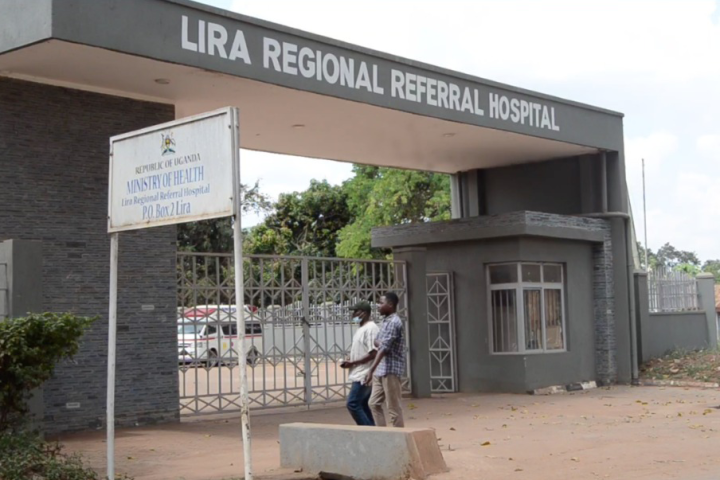
Uganda’s Ministry of Health declared the domestic outbreak over on July 28 after completing the required monitoring period following its last locally transmitted case.
WHO and Africa CDC subsequently welcomed the end of the broader outbreak response on August 27, after 42 days had passed since the discharge of the last confirmed imported case on July 16.
The distinction between the two announcements reflects the different monitoring periods associated with local and imported infections.
During the response, health authorities identified and monitored more than 800 contacts.
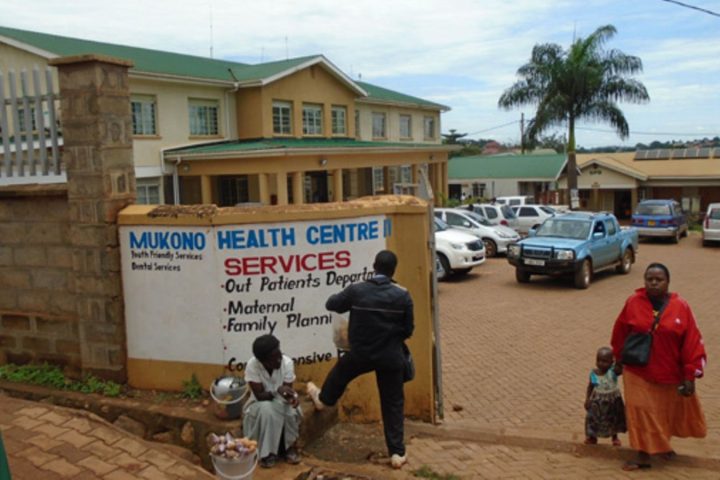
Surveillance continued in communities, health facilities and border areas considered at greater risk of importing infections from neighbouring countries.
The successful containment of the outbreak was an important achievement for Uganda’s health system.
However, declaring an outbreak over does not mean the risk of importing future cases has disappeared.
That distinction is central to the disagreement between Washington and African health authorities.
WHO and Africa CDC Oppose Blanket Travel Restrictions
The World Health Organization and Africa CDC have repeatedly urged countries to avoid broad travel bans during Ebola outbreaks.
Their argument is that public health responses should be based on actual risks rather than applying restrictions indiscriminately to entire countries.
In June, Africa CDC issued guidance stating that blanket travel restrictions were not supported by the available public health evidence.
The organisation warned that such measures could interfere with essential travel, trade and humanitarian operations without necessarily providing meaningful additional protection against the disease.
Instead, it encouraged governments to strengthen screening, surveillance, contact tracing and cooperation between neighbouring countries.
Africa CDC Director-General Dr Jean Kaseya formally called on Washington in July to remove Uganda from the temporary Ebola-related entry suspension.
He pointed to Uganda’s progress in controlling infections and maintaining active surveillance.
WHO has taken a similar position.
In its August 27 statement welcoming the end of Uganda’s outbreak, the organisation reiterated its opposition to suspending flights, closing borders or denying entry to travellers solely because of Ebola outbreaks.
The agencies are not suggesting that countries abandon precautions.
Their position is that targeted public health interventions, combined with international cooperation, are generally more appropriate than broad restrictions affecting travellers regardless of individual exposure.
Kenya’s Recent Ebola Case Has Complicated the Situation
One development that appears to have strengthened Washington’s concerns is the recent confirmation of Ebola in Kenya.
On October 6, Kenyan authorities reported a case involving a man who had travelled from the Democratic Republic of Congo through Uganda before arriving in Nairobi.
The patient had been living in Congo and travelled overland into Uganda before taking a flight to Kenya.
He was later admitted to hospital, where Ebola was confirmed. He died on October 5.
The case raised concerns about how someone carrying the virus could travel across borders and through airports without being detected earlier.
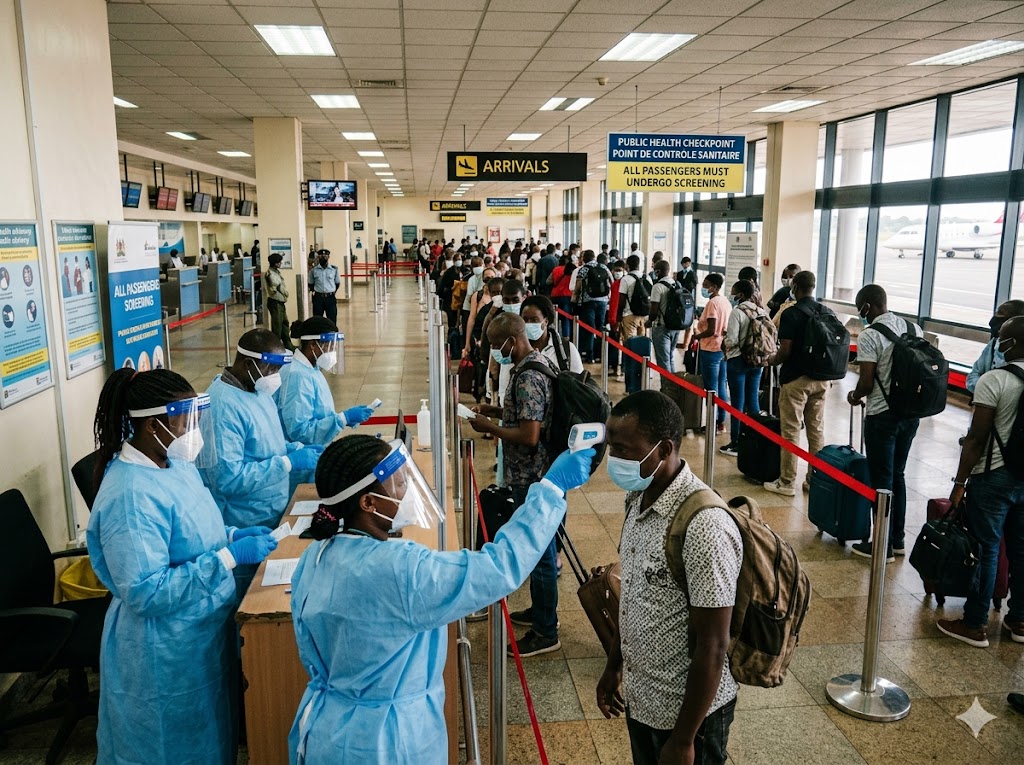
Kenyan authorities subsequently began tracing contacts and strengthening surveillance at airports and other entry points.
The CDC referred to the incident when explaining its decision to maintain restrictions affecting Uganda.
The case illustrates the difficulty of controlling an outbreak that involves several neighbouring countries with extensive cross-border movement.
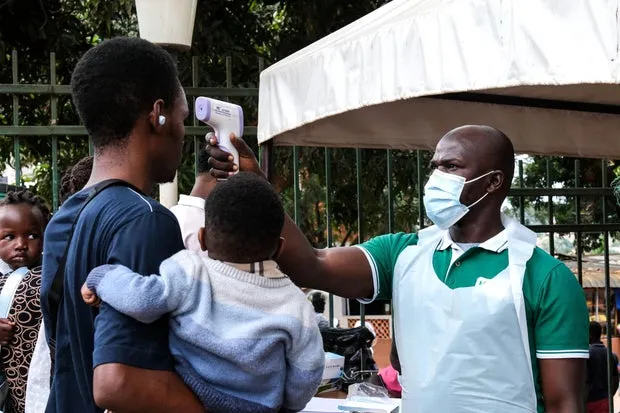
It also shows why health authorities cannot rely entirely on temperature checks at airports.
Some infected travellers may not yet have developed detectable symptoms, making travel-history assessments, contact tracing and access to diagnostic testing important components of surveillance.
Interestingly, Kenya was not included in the three-country restrictions announced in the latest US notice, despite reporting the recent imported infection.
That difference has added to questions about how Washington assesses the risks associated with individual countries.
What the Ebola Travel Restrictions Mean for Travellers
The restrictions do not affect every category of traveller in the same way.
Under the CDC’s published guidance, certain non-US citizens who have recently been in Uganda or South Sudan face temporary entry restrictions.
US citizens and nationals are not barred from returning solely because they visited those countries.
However, eligible travellers may be required to enter through designated American airports where enhanced public health screening is available.
Lawful permanent residents and other people covered by exemptions may also be subject to additional screening arrangements.
The situation is more restrictive for travellers who have recently been in the Democratic Republic of Congo.
The CDC says people who have been in the DRC during the previous 21 days are temporarily barred from boarding commercial flights to the United States, including American citizens and nationals.
These measures are intended to reduce the risk of an infected traveller entering the country during Ebola’s incubation period.
The CDC’s September guidance explains that travellers who were in Uganda or South Sudan, but not the DRC, are treated differently from those with recent travel to Congo.
For travellers planning journeys to the United States, the restrictions can affect flight arrangements, entry eligibility and airport screening requirements.
Because the rules are subject to updates, passengers should confirm the current requirements with their airline and the relevant US authorities before travelling.
Uganda Says Its Ebola Surveillance Remains Strong
Ugandan health authorities have continued to reassure the public that the country remains free of Ebola.
Following the imported case reported in Kenya, Uganda’s Director-General of Health Services, Professor Charles Olaro, said the Ministry of Health was maintaining surveillance and strengthening cooperation with neighbouring countries.
The ministry has emphasised that the public should remain calm while health workers continue monitoring potential risks.
Uganda’s experience in responding to previous Ebola outbreaks has helped the country develop laboratory, surveillance and emergency response capacity.
These capabilities were important during the 2026 outbreak, when health teams worked to identify infections, monitor contacts and interrupt transmission.
However, Uganda’s location next to eastern Congo means continued preparedness remains necessary.
Border communities have close social and economic relationships, and movements between the two countries are difficult to eliminate entirely.
Health officials therefore face the challenge of protecting communities while allowing essential movement and economic activity to continue.
Could the Restrictions Affect Uganda’s Tourism and Business?
The continuation of Ebola travel restrictions could create difficulties for some travellers and businesses with connections to the United States.
Uganda relies on international travel for tourism, trade, education and professional exchanges.
The restrictions could complicate journeys for affected travellers, including those participating in international meetings, academic programmes and business activities.
There is also a reputational concern.
When a country remains subject to disease-related restrictions after its outbreak has officially ended, some international travellers may incorrectly assume that widespread transmission is continuing.
That could influence travel decisions even when health authorities have declared the domestic outbreak over.
However, the actual economic impact of the current US measures has not been established.
The restrictions concern entry into the United States and should not be confused with a general international ban on travel to Uganda.
Uganda remains open to international visitors, subject to its applicable immigration and public health requirements.
For the tourism industry, clear communication about the country’s health situation will be particularly important.
Finding a Balance Between Health Security and Travel
The disagreement between Washington and African health authorities reflects a wider challenge in responding to infectious disease outbreaks.
Governments have a responsibility to protect their populations from serious health threats.
At the same time, restrictions on international movement can affect families, businesses, healthcare workers and humanitarian operations.
The difficulty lies in determining when additional travel controls provide enough public health benefit to justify their wider consequences.
The United States argues that the continuing outbreak in Congo and the possibility of imported cases make stronger restrictions necessary.
WHO and Africa CDC maintain that countries should prioritise proportionate, evidence-based measures that address individual exposure risks while preserving essential international movement.
Both positions recognise that Ebola is a serious disease requiring effective surveillance and rapid response.
Their disagreement concerns which measures are appropriate and how broadly they should be applied.
Uganda’s successful containment of domestic transmission adds another dimension to the debate.
The country has met the established international criteria for ending its outbreak, but it remains geographically exposed to developments in the DRC.
That is why continued surveillance and cooperation with neighbouring countries remain essential, regardless of whether Washington lifts its restrictions.
What Happens Next?
The latest US extension is expected to remain in effect for 30 days from October 11, subject to any further changes or renewal.
The CDC has indicated that it will continue assessing the regional public health situation.
Any decision to ease the restrictions is likely to depend on developments in the DRC, the effectiveness of cross-border surveillance and Washington’s assessment of the risk of imported infections.
Uganda, meanwhile, is expected to continue working with regional and international health partners to maintain preparedness.
Africa CDC and WHO have indicated that they will continue supporting countries affected by the outbreak, with particular attention to stopping transmission in Congo.
For Uganda, preventing another imported case remains important not only for public health but also for restoring confidence among international partners.
Uganda’s Ebola Progress Meets Continued US Caution
Uganda’s experience with Ebola in 2026 tells two different stories.
One is about a country that successfully identified and contained an outbreak, monitored hundreds of contacts and completed the internationally recognised period required to declare transmission over.
The other is about the continuing vulnerability of countries neighbouring a major regional outbreak.
Washington has chosen to focus on the second concern, maintaining restrictions despite Uganda’s progress and appeals from international health organisations.
The decision has reopened questions about whether broad travel restrictions are appropriate when a country has already been declared free of an outbreak.
For Uganda, the immediate priority remains preventing new infections while keeping essential travel and economic activity functioning.
For the United States, the challenge is demonstrating that its restrictions remain proportionate to the public health risks they are intended to address.
And for WHO and Africa CDC, the task is continuing to make the case for coordinated, evidence-based responses that protect communities without unnecessarily isolating countries.
As the Ebola outbreak continues in the Democratic Republic of Congo, the debate over Uganda’s travel restrictions is unlikely to disappear immediately.
What remains clear is that Uganda’s domestic outbreak has officially ended, even as concerns about the wider region continue to shape international travel policies.