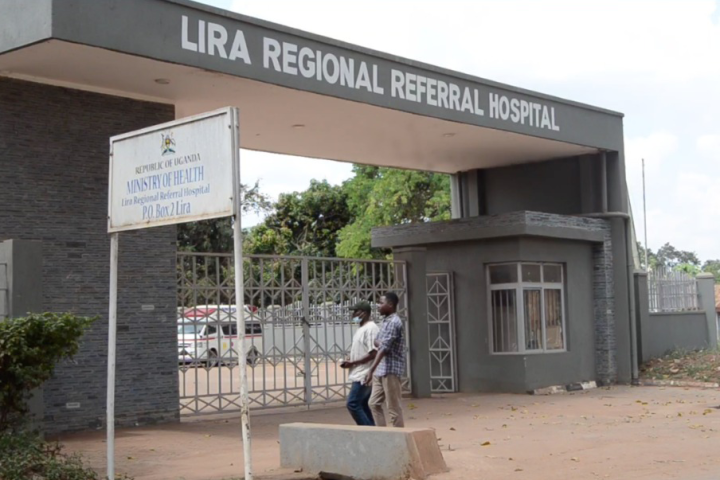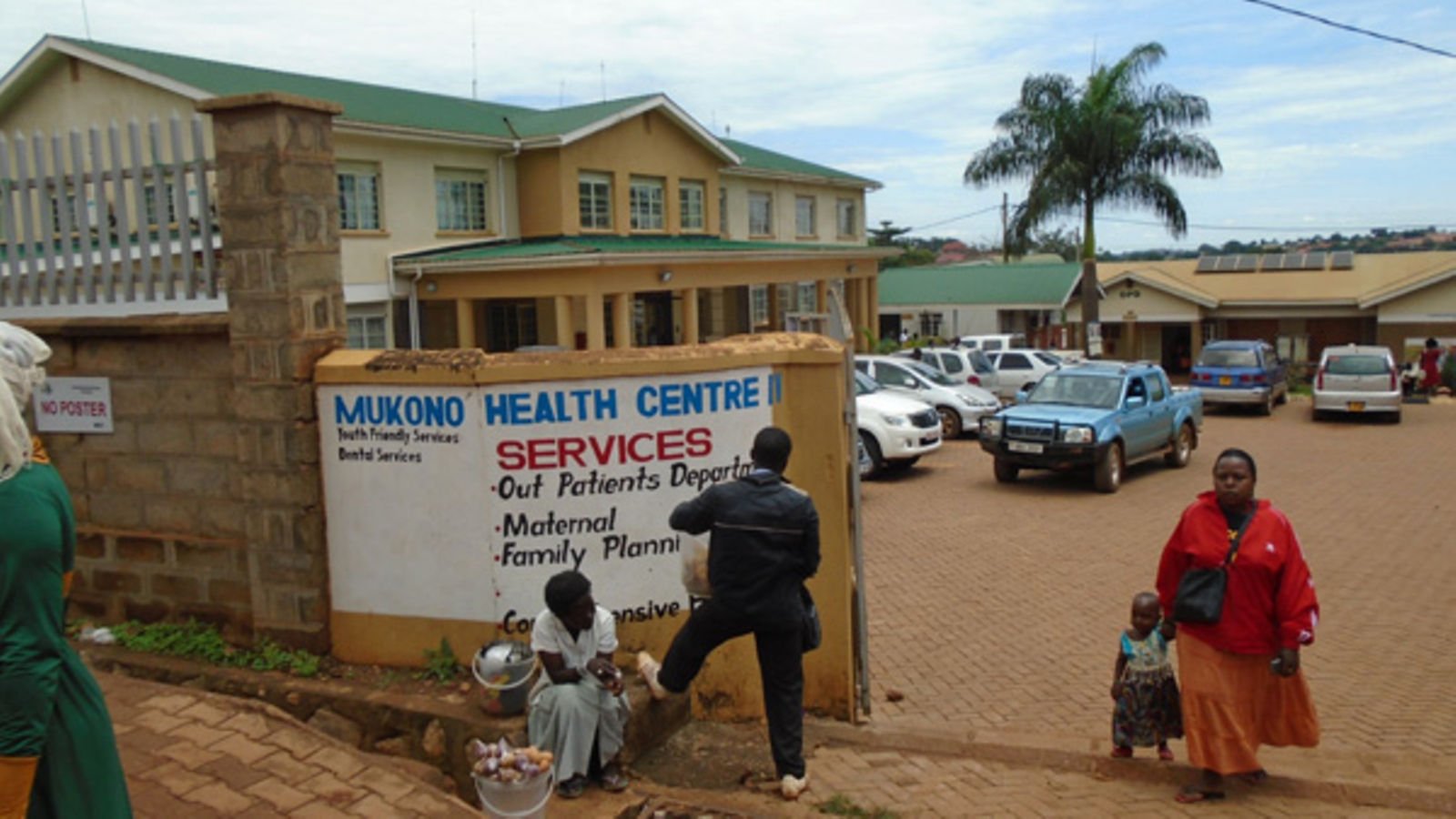
Mukono Hospital surgery fees have come under investigation after residents alleged that private doctors use Mukono General Hospital facilities to perform surgeries while charging patients high fees. Consequently, the Ministry of Health has ordered an immediate probe to establish the facts surrounding the claims.
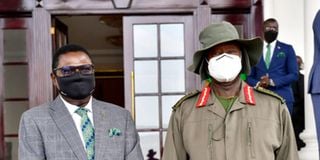
Dr Daniel Kyabayinze, the Director of Public Health at the Ministry of Health, directed Mukono District Health Officer Dr Stephen Mulindwa to open a general enquiry file with the police. According to Dr Kyabayinze, authorities must determine whether private practitioners misuse public facilities for personal financial gain.
Furthermore, he stressed that government hospitals exist to serve the public and must follow national health policies and professional ethics. Therefore, any doctor who carries out private operations in public wards and charges illegal fees could face legal action.
The investigation follows concerns raised during a Health Baraza organized by LivingGoods. During the meeting, Mukono residents voiced frustration over what they described as growing irregularities at the hospital. In addition, they cited challenges such as absent doctors, shortages of essential drugs, and inadequate infrastructure.
Several residents argued that these systemic gaps create opportunities for exploitation. For instance, Harrient Nansubuga pleaded with medical staff to prioritize patients’ lives over financial demands. She suggested that doctors should treat patients first and address payment issues later rather than abandon them. According to her, delayed treatment puts lives at risk.
Meanwhile, Village Health Team members presented more specific allegations. They claimed that expectant mothers referred for Caesarean sections face charges ranging between Shs300,000 and Shs600,000 before receiving care. As a result, many families struggle to afford urgent procedures. Such claims have intensified scrutiny around Mukono Hospital surgery fees.
Community members also alleged that some patients encounter illegal charges in other departments within government health facilities. Consequently, residents called on the Ministry of Health to strengthen oversight mechanisms and enforce stricter accountability. They also urged authorities to improve lower-level health centers, especially in rural areas where access to referral hospitals remains difficult.
On the other hand, Dr Godfrey Kasirye, the Medical Superintendent of Mukono General Hospital, denied the accusations. He clarified that services in general wards remain free, in line with government policy. However, he acknowledged that patients who voluntarily opt for private wings must pay prescribed fees. According to him, the hospital does not authorize illegal payments for services offered in public wards.
Despite this denial, the Ministry emphasized that it will not tolerate misuse of public resources. Dr Kyabayinze warned that doctors and medical personnel must not abandon patients or use government facilities to conduct private business for personal benefit. In addition, he reiterated that public trust in government hospitals depends on fairness and transparency.
The probe into Mukono Hospital surgery fees highlights broader challenges within Uganda’s public health system. While government facilities provide free services in principle, resource shortages sometimes strain operations. Consequently, allegations of informal payments and private arrangements occasionally surface in different districts.
Health policy experts argue that strengthening supervision and monitoring systems could reduce such disputes. Moreover, consistent enforcement of ethical standards may deter abuse of authority. Clear communication with patients about which services are free and which require payment could also prevent misunderstandings.
For now, the Ministry’s directive signals a firm stance. By opening a police enquiry file, authorities aim to gather evidence and clarify whether the alleged practices occurred. If investigators confirm misconduct, responsible individuals could face disciplinary or legal consequences.
Ultimately, the outcome of the investigation will determine whether Mukono Hospital surgery fees reflect systemic malpractice or isolated complaints. In the meantime, residents continue to demand accountability and improved service delivery. The Ministry, therefore, faces pressure to restore confidence in public healthcare while ensuring that ethical standards remain non-negotiable.