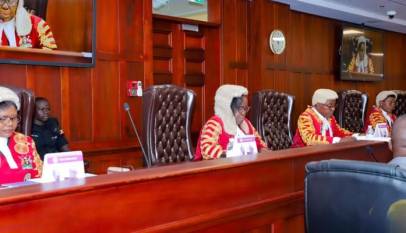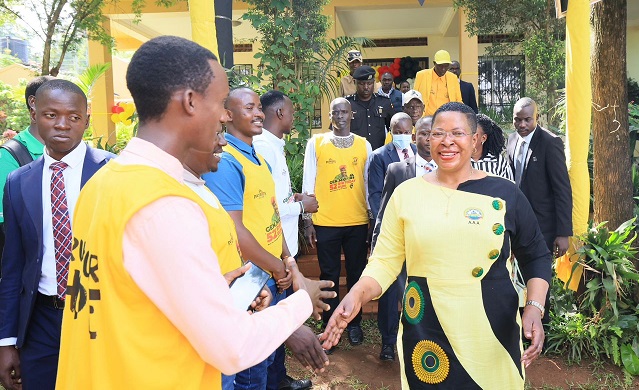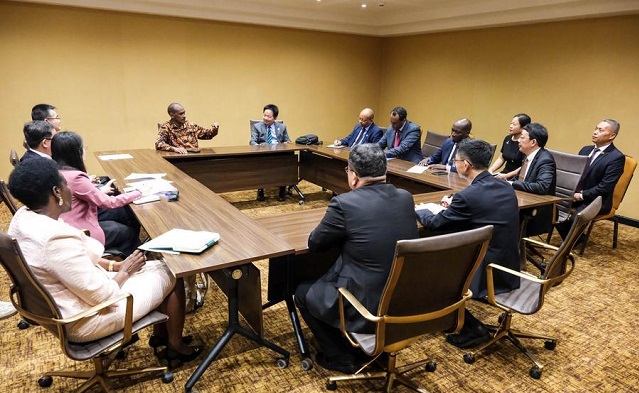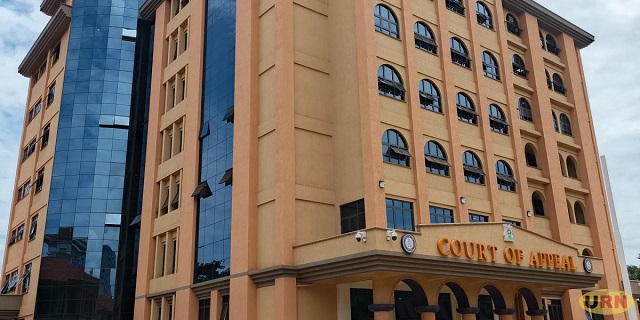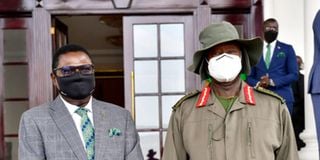
The NRM DP cooperation agreement survived a legal challenge after the Constitutional Court in Kampala dismissed a petition against it. On Monday, a panel of five justices ruled unanimously that the case did not raise substantive constitutional questions. As a result, the agreement remains legally intact.
The coram included Justices Asa Mugenyi, Hellen Obura, Musa Ssekaana, Moses Kawumi Kazibwe, and Margaret Tibulya. According to the judges, the petition focused on internal party governance rather than constitutional interpretation under Article 137. Therefore, the court declined to intervene.
Court records show that the NRM DP cooperation agreement was signed in July 2022. At that time, Democratic Party President General Norbert Mao and President Yoweri Kaguta Museveni formalized the deal. Essentially, the arrangement committed the DP to cooperate with the ruling National Resistance Movement in advancing the government’s agenda.
Under the agreement, the DP pledged to support parliamentary votes on matters of confidence and supply. In addition, the commitment extends for the duration of the current Parliament. The party also agreed to back procedural motions in the House and within select and sessional committees. Consequently, the deal strengthened cooperation between the two parties in legislative processes.
Furthermore, the agreement allowed for the appointment of DP members to Cabinet. Those appointed must comply with Cabinet Rules on confidentiality, public duty, and personal interests. Shortly after signing the NRM DP cooperation agreement, Mao took oath as Minister for Justice and Constitutional Affairs on August 2, 2022. Thus, his appointment marked a significant political shift for the Democratic Party.
In its judgment, the court stated that the petition failed to disclose any substantive constitutional question. Specifically, the justices emphasized that Article 137 limits their mandate to interpreting the Constitution when a question arises about its meaning or application. In other words, not every political grievance qualifies as a constitutional issue.
“The petition does not raise any substantive constitutional questions for interpretation by this court,” the justices ruled.
The court found that the legislators’ concerns centered on party governance. For instance, they questioned whether Mao had authority under the DP constitution to sign the agreement. They also argued that he failed to consult party organs adequately before executing the deal. However, the bench held that such matters fall within internal party mechanisms.
Accordingly, the judges concluded that internal disputes do not automatically amount to constitutional violations. Instead, party organs should address questions about authority and consultation unless clear constitutional breaches arise.
Six Democratic Party Members of Parliament filed the petition. Richard Lumu Kizito led the group. Meanwhile, the other petitioners included Michael Phillip Lulume Bayigga, John Paul Lukwago Mpalanyi, Fortunate Rode Nantongo, Richard Sebamala, and Fred Kayondo.
They sued Mao, DP Secretary General Gerald Siranda, the Democratic Party, and the Attorney General. Notably, the MPs argued that voters elected them on the DP ticket. Moreover, they stated that they serve on the party’s National Executive Committee, which acts as the top decision-making organ.
The petitioners contended that Mao signed the NRM DP cooperation agreement without proper authority. Additionally, they claimed he used the title Chairman General, which they said the DP constitution does not recognize. While they did not oppose Mao serving as minister in his personal capacity, they maintained that signing a binding cooperation deal undermined democratic governance principles.
Therefore, they asked the court to declare the agreement null and void. They also sought a permanent injunction to prevent party organs from ratifying it. Nevertheless, the Constitutional Court rejected those requests.
The judges reiterated that their jurisdiction does not extend to every internal party disagreement. Instead, they must confine themselves strictly to constitutional interpretation. Since the petitioners failed to demonstrate a direct constitutional violation, the court dismissed the case.
As a consequence, the NRM DP cooperation agreement remains legally valid. At the same time, the ruling reinforces judicial restraint in politically sensitive disputes. By drawing a clear boundary between constitutional interpretation and party governance, the bench clarified the limits of Article 137.
Going forward, the decision may influence how courts handle similar political cases. For now, however, the alliance between the DP and the NRM continues under the existing framework. Meanwhile, debate within the Democratic Party over the cooperation deal may persist, even though the legal challenge has ended.