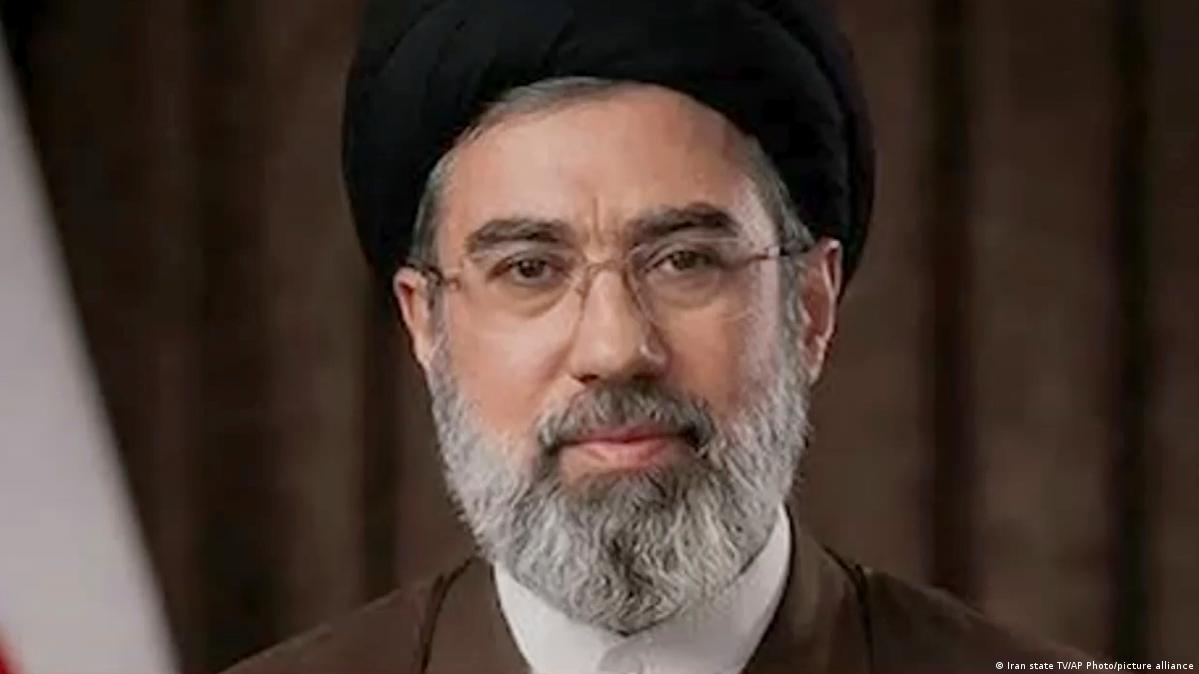
The appointment of Mojtaba Khamenei Supreme Leader marks a critical moment in Iran’s modern history. Iran’s Assembly of Experts confirmed the decision on Sunday. The announcement came days after the assassination of Ayatollah Ali Khamenei in United States and Israeli strikes. The attack triggered a broader regional conflict and created urgent pressure for leadership continuity.
Iran’s political establishment moved quickly to stabilize the situation. Senior leaders, the Islamic Revolutionary Guard Corps, and the armed forces pledged support for the Mojtaba Khamenei Supreme Leader appointment. President Masoud Pezeshkian described the decision as the start of a new period of national strength. He said the choice reflects the unity of the Iranian nation during a time of crisis. Government officials emphasized that internal solidarity remains essential as the conflict expands across the region.
Foreign Minister Abbas Araghchi also welcomed the decision. He pledged continued defense of Iran’s national interests and security. Several senior political figures echoed that message. Ali Larijani, secretary of the Supreme National Security Council, urged citizens to support the Mojtaba Khamenei Supreme Leader during the war. Parliament Speaker Mohammad Bagher Ghalibaf described loyalty to the new leader as a national and religious responsibility.
The selection highlights Mojtaba Khamenei’s long influence within Iran’s leadership circle. Although he never held elected office, he built strong ties with senior clerics and the Islamic Revolutionary Guard Corps. For years, many observers considered him a potential successor to his father. The decision to appoint him as Mojtaba Khamenei Supreme Leader reflects the desire for continuity during a dangerous period.
Political analysts say the appointment sends a clear signal about Iran’s strategic direction. Many experts believe the decision shows that conservative factions remain firmly in control. Rami Khouri, a policy scholar at the American University of Beirut, described the transition as a message of resistance. He said the Mojtaba Khamenei Supreme Leader appointment demonstrates Iran’s refusal to bow to foreign pressure. According to Khouri, the leadership wants to show that external attacks will not dismantle the Islamic Republic.
Observers also note that Mojtaba Khamenei closely shares the ideological positions of his father. Many analysts expect him to maintain a confrontational stance toward the United States and Israel. Some believe his leadership could strengthen hardline policies during the ongoing conflict. The rise of the Mojtaba Khamenei Supreme Leader therefore raises doubts about the possibility of negotiations in the near future.
International reactions have revealed deep divisions over the appointment. United States President Donald Trump declined detailed comment but expressed skepticism about the new leader. Several American politicians criticized the decision. Senator Lindsey Graham said the leadership change does not represent meaningful reform in Iran’s political system. Israeli officials also warned that they will continue targeting Iranian leadership during the conflict.
Other global powers responded differently. Russian President Vladimir Putin offered strong support for the Mojtaba Khamenei Supreme Leader appointment. He reaffirmed Russia’s strategic relationship with Iran. China also criticized threats against the new leader and urged restraint. These responses highlight the wider geopolitical stakes surrounding the crisis.
Iranian officials insist that only Iranians can determine their leadership. Members of the Assembly of Experts rejected suggestions of foreign involvement in the selection process. Cleric Heidari Alekasir said the council acted quickly despite the ongoing war. He explained that Iran values resistance to foreign pressure. The Mojtaba Khamenei Supreme Leader decision reflects that long-standing principle.
Meanwhile, the regional conflict continues to escalate. United States and Israeli forces have targeted Iranian military facilities and strategic infrastructure. Iranian officials say some attacks have hit civilian areas, including schools and hospitals. Tehran has responded with missile and drone strikes against American and Israeli assets across the region. The conflict has also raised security concerns in several Gulf states.
Iranian military leaders warn that the confrontation could last months. The Islamic Revolutionary Guard Corps says it still holds large missile and drone reserves. Officials claim Iran has used only early-generation weapons so far. They say more advanced systems could appear if the conflict expands. As the war continues, the authority of the Mojtaba Khamenei Supreme Leader will shape Iran’s strategy.
The new leader now faces the most serious challenge in Iran’s modern history. He must manage a regional war while maintaining stability at home. His decisions will influence Iran’s political direction and regional role. The appointment of the Mojtaba Khamenei Supreme Leader therefore marks the beginning of a decisive chapter for the Islamic Republic and the wider Middle East.