Kampala, the vibrant capital city of Uganda, is a unique fusion of tradition and modernity. Nestled on the shores of Lake Victoria, Kampala boasts a rich history and cultural diversity that have shaped its current dynamic urban landscape. In this article, we explore how Kampala’s cultural heritage seamlessly blends the old with the new, making it one of the most exciting cities in East Africa.
A City of Contrasts
Kampala’s charm lies in its ability to merge two worlds: its historical roots and its forward-looking modernity. The city’s traditional elements are rooted in its ancient kingdoms, especially the Buganda Kingdom, which continues to play an influential role in the region. Yet, modern influences from both local and international sources are transforming the city into a bustling metropolis. This blend of cultures and influences creates a unique atmosphere in Kampala.
Traditional Heritage of Kampala
Kampala’s history is deeply tied to the Buganda Kingdom, which was once one of the most powerful in central Africa. The city itself was the capital of the kingdom and remains the political and cultural heart of the Buganda people today. Traditional sites like Kasubi Tombs, a UNESCO World Heritage Site, showcase the burial grounds of past kings of Buganda. These tombs, made from organic materials such as thatch and reeds, offer a glimpse into the architectural style and the spiritual beliefs of the kingdom.
The Uganda National Museum in Kampala is another landmark that preserves the country’s diverse cultural and natural history. The museum houses a collection of artifacts, from prehistoric tools to traditional music instruments, offering insight into Uganda’s evolution.
The Modern Face of Kampala
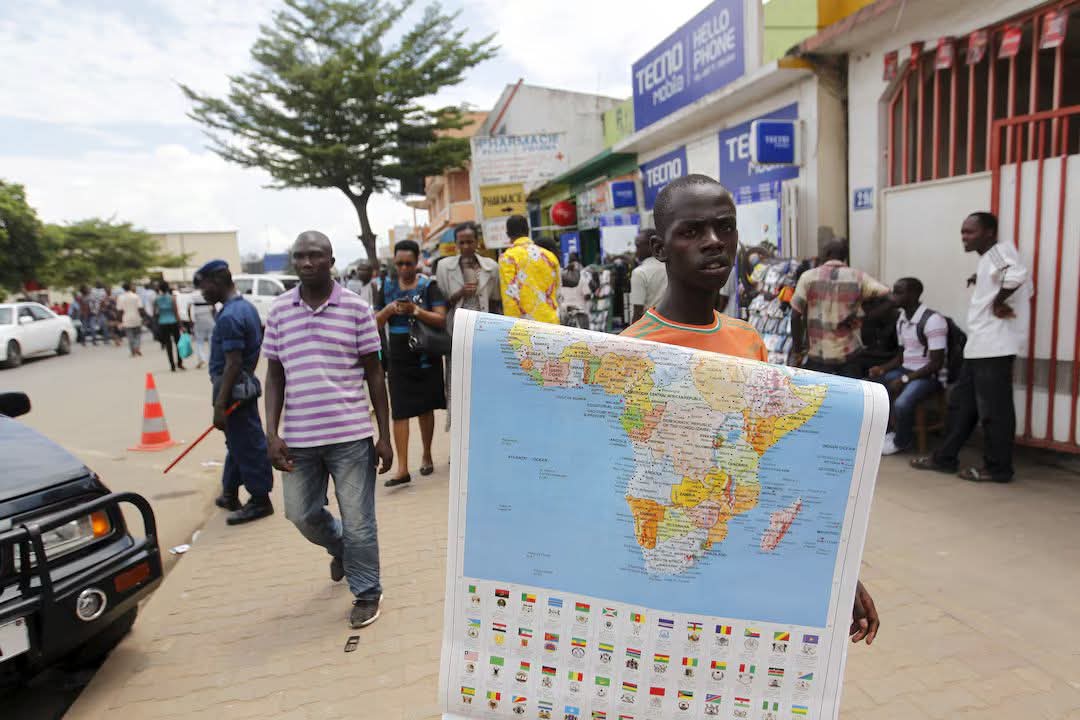
As Uganda’s largest city and economic center, Kampala is home to a burgeoning urban landscape marked by skyscrapers, shopping malls, and modern infrastructure. The influence of global culture is evident, especially in areas like Kampala Road and Wandegeya, where restaurants, fashion outlets, and cafes blend Western trends with local flavor. The city’s growing middle class has brought with it a new sense of style, taste, and a passion for consumerism.
The Kampala City Festival is an annual event that celebrates the city’s urban culture with music, dance, and fashion. It also highlights the integration of modern values with the city’s traditional heritage. The festival attracts people from all walks of life and demonstrates how Kampala has become a center of innovation and creativity, while still honoring its cultural roots.
Fusion of Cuisine: Traditional and Modern
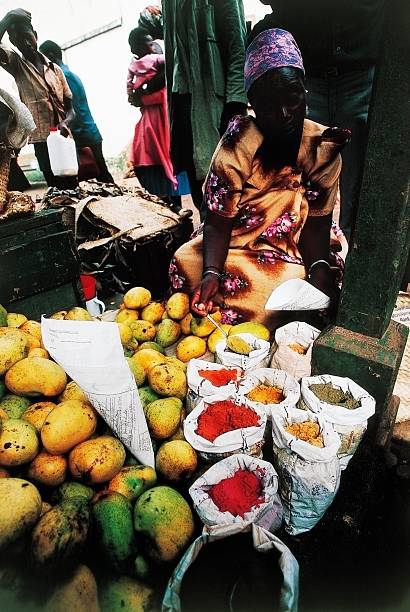
Kampala’s food scene is another excellent example of its cultural fusion. Traditional Ugandan dishes like matoke (plantains), posho (maize porridge), and luwombo (a meat or fish stew steamed in banana leaves) remain staples, but modern dining options have brought a mix of international influences. From French cuisine in upscale restaurants to Indian curry joints, the diversity of the food scene in Kampala is a testament to the city’s openness to global cultures while still keeping its roots firmly planted in local food traditions.
Street food, often enjoyed by Kampala’s busy population, is also a blend of the old and new. Vendors on bustling streets offer samosas, rolex (chapati rolled with eggs and vegetables), and mandazi, merging traditional recipes with the fast-paced urban lifestyle.
Art and Music: Bridging the Past and Present
Kampala’s art and music scene is thriving, with artists fusing traditional forms with contemporary styles. Traditional drumming and dance performances, such as those from the Baganda, Batooro, and Basoga communities, can be seen in cultural centers around the city. These performances are a tribute to Uganda’s rich history and storytelling traditions.
At the same time, modern music genres like Afrobeats, hip-hop, and reggae are becoming more popular. Local musicians often incorporate traditional rhythms and instruments into their music, bridging the gap between past and present. Kampala is home to several music festivals, including the Bayimba International Festival of the Arts, which celebrates a mix of traditional, classical, and contemporary performances.
In art, galleries and exhibitions showcase both traditional crafts such as basket weaving, pottery, and beadwork, and modern art forms. The Nommo Gallery and the Makerere University Art Gallery are key cultural spaces that feature a combination of contemporary African art and traditional artistic expressions.
The Role of Religion in Kampala’s Heritage
Kampala is also a city with deep religious significance. The Uganda Martyrs Shrine at Namugongo, just outside Kampala, is one of the most important religious sites in Uganda. It commemorates the 22 Catholic martyrs who were executed for their faith in the late 19th century. This site attracts thousands of pilgrims annually, serving as a reminder of Uganda’s Christian heritage.
Kampala is also home to many mosques and churches, representing the city’s religious diversity. The Gaddafi National Mosque is an iconic landmark, blending Islamic architecture with the city’s urban landscape.
A City in Transition
Kampala is a city that celebrates both its heritage and its future. The traditional roots of the Buganda Kingdom, along with the cultural and religious diversity, are deeply embedded in the fabric of the city. However, as the city grows and modernizes, it is increasingly shaped by global trends and influences.
This fusion of the old and new can be seen not just in architecture and cuisine, but in how Kampala’s residents embrace both their traditional values and contemporary lifestyles. The city is constantly evolving, and its ability to preserve its rich cultural heritage while moving towards a modern future makes Kampala a fascinating and dynamic place to explore.
Conclusion
Kampala’s cultural heritage is a beautiful blend of tradition and modernity. From the ancient Buganda Kingdom’s royal tombs to the skyscrapers of the city center, Kampala is a city that embraces its past while looking forward to the future. Whether it’s in the arts, food, religion, or music, Kampala offers a unique and vibrant cultural experience that reflects both Uganda’s rich history and its progressive, cosmopolitan outlook.