Kampala, the bustling capital city of Uganda, is home to some of the most vibrant and dynamic markets in East Africa. These markets are not only the heart of the city’s commerce but also offer an unparalleled glimpse into Uganda’s rich culture, traditions, and way of life. From fresh produce to handcrafted goods, Kampala’s markets are a shopper’s paradise, where the sights, sounds, and smells create an unforgettable experience for both locals and tourists alike.
Kampala’s markets are a testament to the city’s bustling energy and rich cultural heritage. Whether you’re a local looking for everyday essentials or a visitor seeking unique souvenirs, these markets offer an array of items at competitive prices. In addition to their economic significance, they are a gathering place for socializing, sharing news, and experiencing the local lifestyle.
1. Nakasero Market: The City’s Premier Market
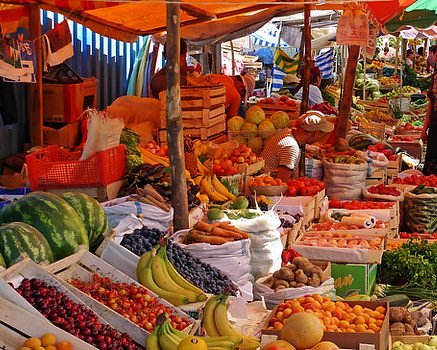
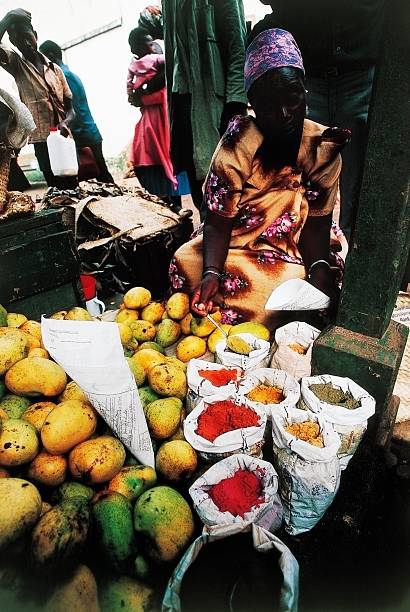
Located in the heart of Kampala, Nakasero Market is one of the most popular and oldest markets in the city. Known for its fresh produce and lively atmosphere, Nakasero is a must-visit for anyone in search of fruits, vegetables, and local spices. The market offers everything from organic produce to exotic fruits like mangos, papayas, and avocados, as well as spices like cinnamon and ginger that are central to Ugandan cuisine.
Beyond the fresh food, Nakasero also features a variety of stalls selling fabrics, clothes, and crafts. The market’s historical significance and location make it an essential part of Kampala’s cultural fabric.
2. Owino Market: A Shopper’s Haven
For those looking for a truly local experience, Owino Market is a must. Also known as St. Balikuddembe Market, Owino is one of the largest and busiest markets in East Africa. The market offers a massive variety of goods, from secondhand clothing (locally known as “Kampala’s best” clothing) to electronics, household items, and fresh food.
The maze of stalls within Owino creates a truly immersive shopping experience. Vendors shout out their prices, bargaining is encouraged, and the vibrant energy of the market makes it a unique shopping adventure. The market also offers a variety of street food, including local snacks like samosas, rolex (chapati rolled with eggs and vegetables), and mandazi (fried dough).
3. Kampala Craft Market: Souvenirs and Handcrafted Goods
If you’re looking for something special to take home, the Kampala Craft Market is the place to be. This open-air market specializes in handcrafted goods, including wooden carvings, beadwork, pottery, and woven baskets. It’s the perfect spot to find authentic Ugandan souvenirs and support local artisans.
The market also offers vibrant textiles, including Kitenge fabric, which is popular for making dresses, shirts, and skirts. The mix of colors and patterns gives a truly African feel, making it a great place to buy unique gifts and decorations.
4. Bombo Road Market: The Local Experience
If you want to experience Kampala’s culture more intimately, a trip to Bombo Road Market is highly recommended. This market is located along the main road to the northern part of Uganda, but it’s often overlooked by many tourists. It offers everything from fresh vegetables, meats, and fish to an array of affordable clothing and shoes.
Bombo Road Market is not only about shopping; it’s also about the social experience. Locals gather here to chat, buy daily essentials, and share stories, making it a great place to interact with Kampala’s residents. The relaxed pace and friendly vibe make it a true reflection of Kampala’s day-to-day life.
5. Kabalagala Market: The Place for Bargains
Located in the bustling suburb of Kabalagala, Kabalagala Market is a smaller, yet vibrant market offering an extensive selection of goods, including groceries, fruits, household items, and electronics. The market is particularly known for its competitive pricing, where shoppers can haggle for a better deal on nearly every product.
The market is surrounded by street food vendors serving local delicacies like kebabs, chips mayai (french fries with eggs), and chicken luwombo. It’s an excellent spot for those looking to grab a quick bite while shopping for affordable goods.
Unique Experiences in Kampala’s Markets
One of the most captivating aspects of shopping in Kampala’s markets is the interaction with the sellers. Many of the market vendors are longtime locals who offer valuable insight into Ugandan culture and customs. Bargaining is an essential part of the shopping process, and it’s not uncommon for visitors to strike up friendly conversations with the market vendors while negotiating prices.
The colors, smells, and sounds in these markets create a sensory overload that immerses shoppers in the local way of life. Whether you’re shopping for food, clothing, or unique cultural items, Kampala’s markets offer an authentic experience that reflects the vibrancy of the city.
Tips for Shopping at Kampala’s Markets
- Bargain Politely: Bargaining is part of the culture, but always keep it friendly and respectful. Vendors expect some negotiation, so don’t be afraid to ask for a lower price.
- Carry Small Cash: Many of the markets don’t accept cards, so it’s important to carry small denominations of Ugandan shillings.
- Watch Your Belongings: Like in any busy market, pickpocketing can be a concern, so keep your valuables close.
- Explore Local Street Food: Don’t miss out on trying local snacks and dishes from street vendors, which often offer the best taste of Uganda’s culinary delights.
Conclusion
Kampala’s markets offer a truly unique shopping experience where tradition meets modernity. From the bustling streets of Owino to the artistic flair of the Kampala Craft Market, there is something for everyone. Whether you’re looking for fresh produce, unique souvenirs, or simply want to immerse yourself in local culture, Kampala’s vibrant markets will not disappoint. These markets are not just places to shop—they are an essential part of the city’s identity, reflecting both its rich heritage and dynamic, modern life.