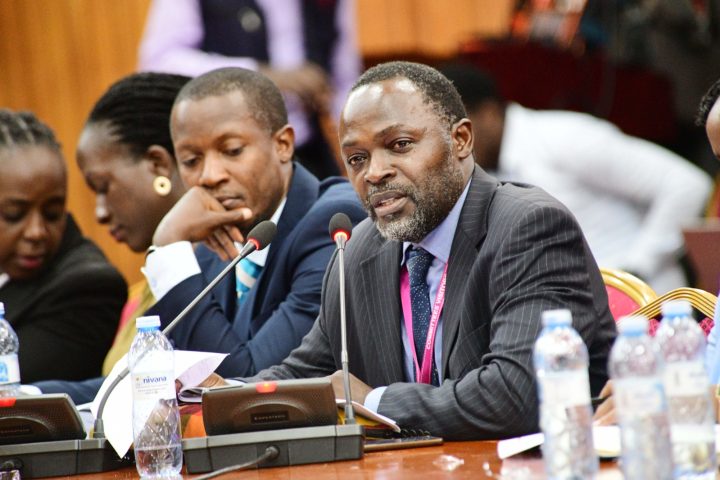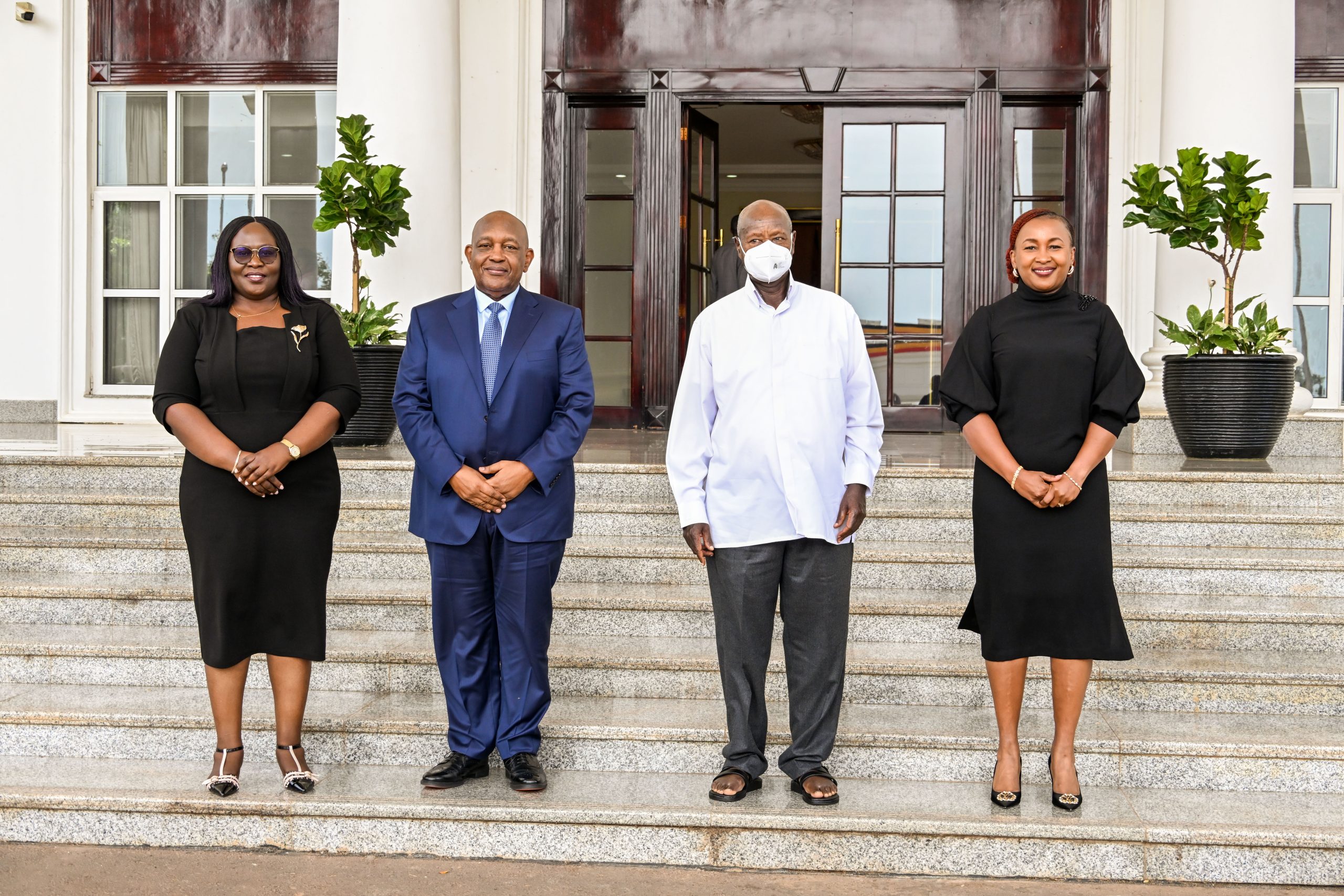
Digital connectivity is now a cornerstone of Uganda’s development strategy. This was clearly affirmed during President Yoweri Museveni’s recent meeting with MTN Uganda’s leadership at State House Entebbe. The delegation included Board Chairman Charles Mbire, CEO Sylvia Mulinge, and General Manager Corporate Services Enid Edroma. Together, they examined how telecommunications and financial technology can accelerate Uganda’s long-term transformation.
The discussion focused on the critical role of digital connectivity in driving innovation. Moreover, it highlighted how such connectivity improves public service delivery and expands economic participation—especially in rural areas. President Museveni commended MTN Uganda for its sustained investments in telecom infrastructure. He noted that reliable networks and accessible digital financial services are essential for national progress. Furthermore, he reaffirmed the government’s commitment to policies that promote nationwide digital connectivity and digital inclusion.
In turn, MTN Uganda’s executives expressed gratitude for the government’s supportive investment climate. Consequently, this environment has enabled the company to expand its network and enhance service quality across the country. Recently, MTN has upgraded its mobile infrastructure to improve internet access. These upgrades aim to strengthen digital connectivity from urban hubs to remote villages. Additionally, the company is scaling data services, expanding home internet solutions, and deepening its fintech offerings—all to boost financial inclusion.
A central theme of the meeting was how digital connectivity empowers grassroots communities. For instance, mobile platforms now link citizens to banking, education, and healthcare services. As a result, longstanding gaps in access are gradually closing. Mobile money, in particular, has transformed financial inclusion by bringing millions of unbanked Ugandans into the formal economy. Therefore, these tools directly support national goals of poverty reduction and inclusive entrepreneurship.
Government policy further reinforces this vision. Regulatory frameworks now prioritize closing both access and usage gaps in the digital space. Thus, more citizens can benefit from technology regardless of location. These coordinated efforts not only connect people but also unlock significant economic value across sectors. In fact, strategic alignment between public policy and private investment is proving vital for sustainable growth.
MTN Group continues to back this momentum with concrete action. Through 2026, it plans major investments in 5G deployment, fibre expansion, and enhanced digital financial services. Hence, Uganda is steadily positioning itself as a regional leader in digital innovation. Importantly, this progress relies on accessibility, reliability, and inclusivity—not just technological advancement alone.
This high-level dialogue reflects a shared understanding: national progress depends on keeping citizens connected. Indeed, President Museveni emphasized that telecom and fintech systems are already delivering measurable benefits. Moving forward, the focus must be on scaling these successes. At the same time, stakeholders must ensure no community is left behind in the digital transition. Regular collaboration between government and industry will therefore remain essential.
Ultimately, the partnership between the Government of Uganda and MTN Uganda demonstrates how focused cooperation around digital connectivity can build a more equitable future. By prioritizing infrastructure, inclusion, and innovation, both parties are helping to create a nation where technology serves everyone—not just a few.