Uganda tourism safety has returned to the spotlight after Deputy Speaker of Parliament Thomas Tayebwa assured international visitors that the country remains open and welcoming to tourists despite lingering concerns over security and recent health alerts.
Tayebwa made the remarks while hosting Tomio Okamura, Speaker of the Czech Republic’s Chamber of Deputies, on a gorilla trekking expedition in Bwindi Impenetrable National Park in southwestern Uganda.
The high-profile visit gave the Deputy Speaker an opportunity to challenge negative perceptions about travelling to Uganda while highlighting the country’s wildlife, conservation achievements and tourism potential.
Tayebwa also stressed that Uganda had brought its recent Ebola outbreak under control. The World Health Organization confirmed that Uganda declared the end of its Bundibugyo virus disease outbreak on July 28, 2026, after going 42 days without a new confirmed locally transmitted case.
Uganda Tourism Safety Takes Centre Stage in Bwindi
Concerns surrounding Uganda’s international image formed an important part of the visit as Tayebwa sought to reassure travellers considering the East African country.
NTV Uganda reported that the Deputy Speaker used Okamura’s visit to counter concerns about safety, security and international travel advisories.
Rather than making the case from Kampala, Tayebwa took his Czech counterpart directly to one of Uganda’s most famous tourism attractions.
The pair trekked through Bwindi Impenetrable National Park, where they encountered the Bitukura mountain gorilla family.
The experience provided a highly visible example of Uganda continuing to receive international visitors at its major wildlife destinations.
For Tayebwa, that was part of the message.
Uganda wants travellers to judge the country not only by international headlines but also by the experience of visitors travelling through its established tourism areas.
Czech Speaker Tomio Okamura Visits Bwindi
Okamura visited Bwindi alongside Tayebwa on August 10, 2026.
The Czech parliamentary leader used the occasion to name a newborn mountain gorilla “Tomáš,” a name with a personal connection to both men.
Okamura explained that Tomio is his Japanese name, while Tomáš reflects his Czech heritage. In English, Tomáš translates to Thomas — also Tayebwa’s first name.
He said the name could serve as a symbol of growing friendship between Uganda and the Czech Republic.
The symbolic gesture transformed the gorilla trek into more than a tourism excursion.
It became an opportunity to promote conservation while strengthening diplomatic and cultural ties between the two countries.
Tayebwa Says Uganda Is Ready for International Visitors
Tayebwa used the visit to encourage international travellers to continue considering Uganda as a destination.
His reassurance comes at an important time for the country’s tourism industry.
Foreign travel guidance still advises visitors to understand security risks and follow local developments. Current UK travel advice, for example, tells travellers to research destinations carefully, obtain suitable travel insurance and remain aware of safety and security concerns.
Australian government guidance similarly advises travellers to remain alert to terrorism risks and follow official security warnings.
Those advisories do not mean every tourism destination in Uganda is experiencing the same level of risk. They highlight why travellers should check official guidance for their specific itinerary rather than assuming conditions are identical across the country.
Tayebwa’s argument is that Uganda’s major tourism attractions remain accessible and that visitors continue travelling to destinations such as Bwindi.
Uganda Declared Its Ebola Outbreak Over
Health concerns have also affected perceptions of Uganda during 2026.
Uganda confirmed an outbreak of Bundibugyo virus disease in May after cases linked to the wider outbreak in neighbouring Democratic Republic of the Congo were detected.
The country eventually recorded 20 confirmed cases and two deaths.
On July 28, Uganda officially declared the outbreak over after going 42 days without a new locally transmitted confirmed case.
WHO and Africa CDC subsequently praised Uganda’s response, highlighting early detection, contact tracing, community engagement and cross-border surveillance.
All previously identified contacts completed follow-up.
However, health authorities continue to maintain surveillance because transmission remains active in neighbouring parts of the Democratic Republic of the Congo, meaning the risk of imported cases has not disappeared completely.
That distinction is important.
Uganda has declared its domestic outbreak over, but surveillance and preparedness remain necessary because of the regional situation.
Uganda Tourism Safety Message Targets International Perceptions
For Uganda’s tourism sector, perception can be almost as important as conditions on the ground.
International travellers frequently make booking decisions months in advance.
News about disease outbreaks, political developments or isolated security incidents can therefore affect tourism businesses well beyond the location where an incident occurred.
Tayebwa appears keen to counter that effect by bringing influential international visitors directly to Ugandan tourism destinations.
Okamura’s visit gives Uganda a prominent European political figure who has personally experienced one of the country’s flagship attractions.
Tayebwa said the Czech parliamentary leader could help promote Uganda after returning home, while Okamura described gorilla trekking as a world-class tourism experience.
Mountain Gorillas Remain Central to Uganda Tourism
Few attractions are more closely associated with Uganda’s international tourism brand than mountain gorillas.
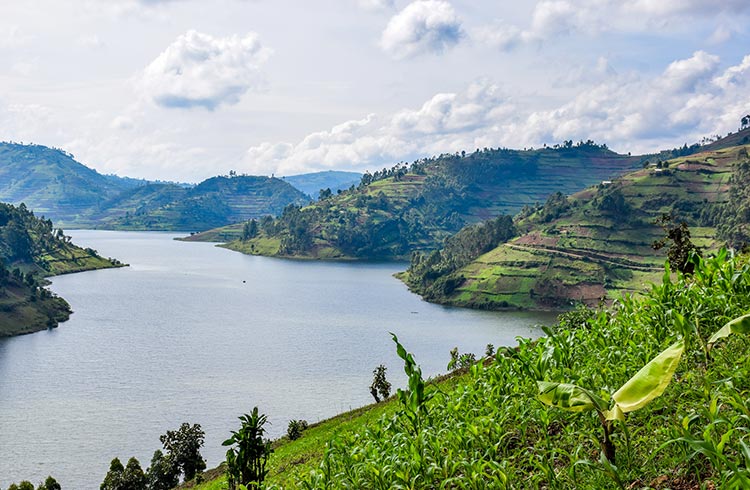
Bwindi Impenetrable National Park is a UNESCO World Heritage Site and one of the most important habitats for the endangered species.
The forest covers roughly 331 square kilometres and contains exceptional biodiversity alongside its globally significant mountain gorilla population.
Gorilla trekking allows small groups of visitors to enter the forest with trained guides and observe habituated gorilla families under controlled conditions.
That rarity makes the experience one of Uganda’s strongest attractions for high-value international tourism.
It is also why prominent visitors such as Okamura can become useful ambassadors for the destination.
A first-hand account from someone who has walked through the forest and encountered mountain gorillas can carry a different kind of credibility from an ordinary tourism advertisement.
Tayebwa Pushes Domestic Tourism Too
The Deputy Speaker did not limit his tourism message to foreign visitors.
He also encouraged Ugandans to explore their own country.
Tayebwa questioned why some Ugandans prioritise overseas destinations before experiencing attractions at home and urged citizens to visit places such as Bwindi.
He noted that Ugandan citizens pay substantially less for gorilla trekking permits than foreign non-residents.
According to figures cited during the visit, Ugandans can access the experience for Shs300,000, while a foreign non-resident permit costs $800.
The lower domestic rate is intended to make one of Uganda’s premium wildlife experiences more accessible to citizens.
Domestic tourism is particularly valuable because it can provide the sector with customers even when international arrivals are affected by external events.
Uganda Tourism Continues to Support the Economy
Tourism remains an important contributor to Uganda’s economy.
Figures cited by the Ministry of Tourism during coverage of Okamura’s visit put international tourist arrivals at 1.64 million, while domestic tourism participation reached 3.27 million.
Tourism earnings were reported at Shs5.83 trillion, equivalent to approximately $1.62 billion, with the sector contributing about 5.9% of GDP and supporting more than 876,000 jobs.
Those numbers help explain why government officials are sensitive to international perceptions about travel to Uganda.
A sustained decline in visitor confidence can affect far more than hotels and tour companies.
Drivers, guides, restaurants, airlines, craftspeople, conservation programmes and communities around national parks all depend to varying degrees on tourism spending.
Protecting the reputation of the destination therefore has significant economic implications.
Bwindi Visit Highlights Uganda-Czech Republic Relations
The trip also carried a diplomatic dimension.
Tayebwa and Okamura discussed opportunities to strengthen cooperation between Uganda and the Czech Republic in areas including trade, agriculture and wider strategic partnerships.
Tourism provides an unusually accessible way to deepen those relationships.
Uganda can promote wildlife and natural attractions to Czech travellers, while Okamura highlighted Prague as one of Europe’s major tourism destinations.
He suggested that the strength of Prague as a city destination and Uganda’s global reputation for gorilla trekking could provide common ground for stronger tourism relations.
The naming of the baby gorilla “Tomáš” provided a memorable symbol around which that relationship can be promoted.
Uganda Plans to Showcase Tourism to More Global Delegates
Tayebwa said Uganda intends to use future international meetings to expose more political leaders and delegates to the country’s tourism attractions.
Among the events he highlighted is the planned Organisation of African, Caribbean and Pacific States-European Union Joint Parliamentary Assembly.
Uganda expects the meeting to attract more than 500 delegates from Europe, Africa, the Caribbean and Pacific regions.
Hosting large international meetings provides an opportunity to combine diplomatic activity with tourism promotion.
Delegates who extend their stays to visit national parks, cultural sites and other attractions contribute directly to the tourism economy.
More importantly, some can return home as informal advocates for the destination.
Security Remains an Important Part of Travel Planning
Reassurance from political leaders does not remove the need for travellers to take ordinary precautions.
Official foreign-government travel guidance continues to flag risks including crime, terrorism and security concerns in particular areas of Uganda.
Visitors should therefore check current official travel advice, understand the regions included in their itinerary and follow instructions from Ugandan authorities and reputable tourism operators.
Tourism safety is rarely a simple question of whether an entire country is “safe” or “unsafe.”
Conditions can differ substantially between regions, and travel guidance can change as circumstances develop.
For Uganda, the challenge is to demonstrate that major tourism circuits can continue operating while also responding transparently to genuine security and health risks.
Uganda Tourism Safety Could Shape Visitor Confidence
Tayebwa’s remarks come at a moment when Uganda is seeking to protect the momentum of its tourism industry while rebuilding confidence following health concerns and continued international scrutiny of security.
The Bwindi visit provided a strong backdrop for that message.
Rather than simply issuing assurances from Parliament, the Deputy Speaker accompanied a senior European political leader into one of Uganda’s most internationally recognised national parks.
Okamura trekked mountain gorillas, praised the experience and gave a newborn gorilla a name linking his Czech identity with his Ugandan host.
For Uganda, that is valuable tourism diplomacy.
The government’s wider challenge will be maintaining strong security, transparent health communication and reliable tourism services so that the message matches visitors’ experiences.
Uganda tourism safety will remain an important part of that effort as the country seeks to attract more international travellers and position its natural attractions before a wider global audience.