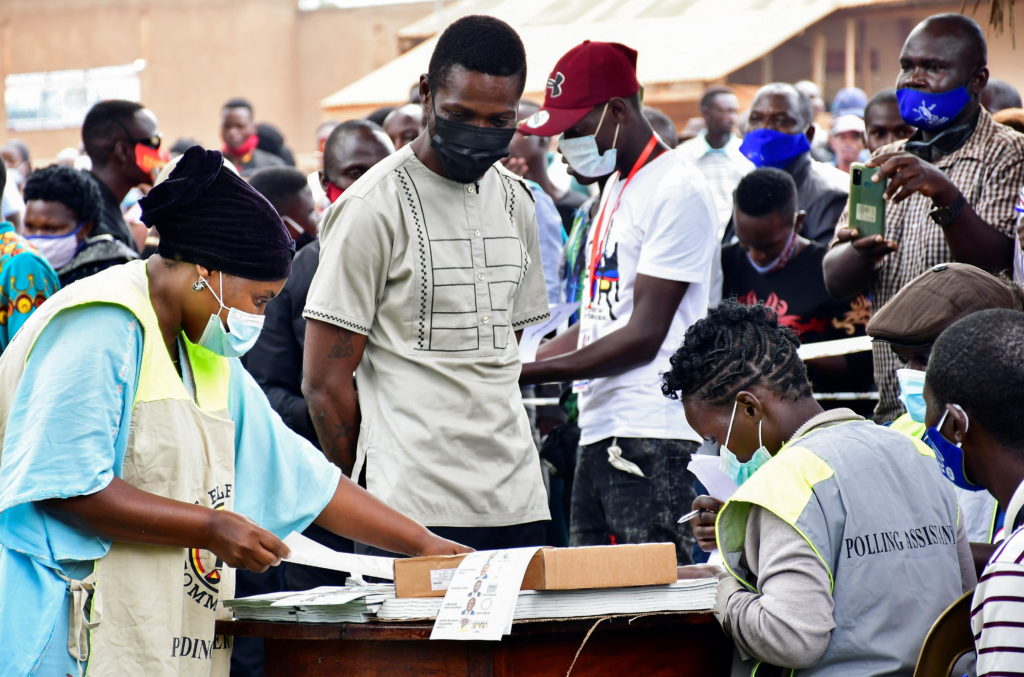
Candidate Disqualification Uganda: EC warns for 2026
The Candidate Disqualification Uganda warning from the Electoral Commission is explicit: all 2026 aspirants face fresh vetting, not party rubber-stamps. Therefore, nominees must present verified age, citizenship, and academic credentials or risk missing the ballot.
EC stance on Candidate Disqualification Uganda
The EC says national law, not party guidelines, governs nomination. It will screen every file again before final lists appear. Allegations from recent primaries—bypassed procedures, questionable endorsements, and age disputes—underline why rigorous checks matter. Consequently, aspirants who won primaries still need airtight documentation to qualify.
Legal thresholds and documents
The Parliamentary Elections Act requires Ugandan citizenship, voter registration, and at least an Advanced Level certificate or equivalent. Youth MP hopefuls must be 18–30 and registered in the correct region. Hence, candidates should assemble consistent IDs, voter details, and certified academic records. Moreover, they should reconcile name spellings, birth dates, and school records across all documents to avoid technical objections.
Related
Museveni, Kenya’s High Commissioner Discuss Cross-Border Cooperation
Five Arrested Over Luuka Post-Election Violence
Risks and penalties under Candidate Disqualification Uganda
Forgery invites both disqualification and criminal liability. Courts can impose penalties for falsifying electoral documents, and campaigns can collapse under reputational damage. Therefore, cutting corners makes no sense. Instead, aspirants should verify academic equivalence early, secure letters of authenticity from schools and examining bodies, and keep certified copies ready for petitions.
What aspirants must do now
Start with a thorough document audit. Gather national ID, voter card, A-Level certificate or recognized equivalent, transcripts, and any marriage or deed-poll papers that explain name changes. Then, cross-check every date and spelling. Next, request verification letters and keep them in a petition-ready folder. After that, prefill nomination forms to eliminate errors, prepare seconders, and brief agents on eligibility basics. Finally, establish a rapid legal response plan for complaints; speed and documentation win most challenges.
Disciplined preparation beats theatrics. Consequently, credible campaigns now treat compliance as a strategic pillar alongside messaging and ground game. If contenders meet statutory thresholds and present clean, consistent files, they minimize objections and focus resources on voters. In short, the law decides the ballot. By aligning early with the EC’s approach to Candidate Disqualification Uganda, serious aspirants convert paperwork into certainty—and certainty into momentum.