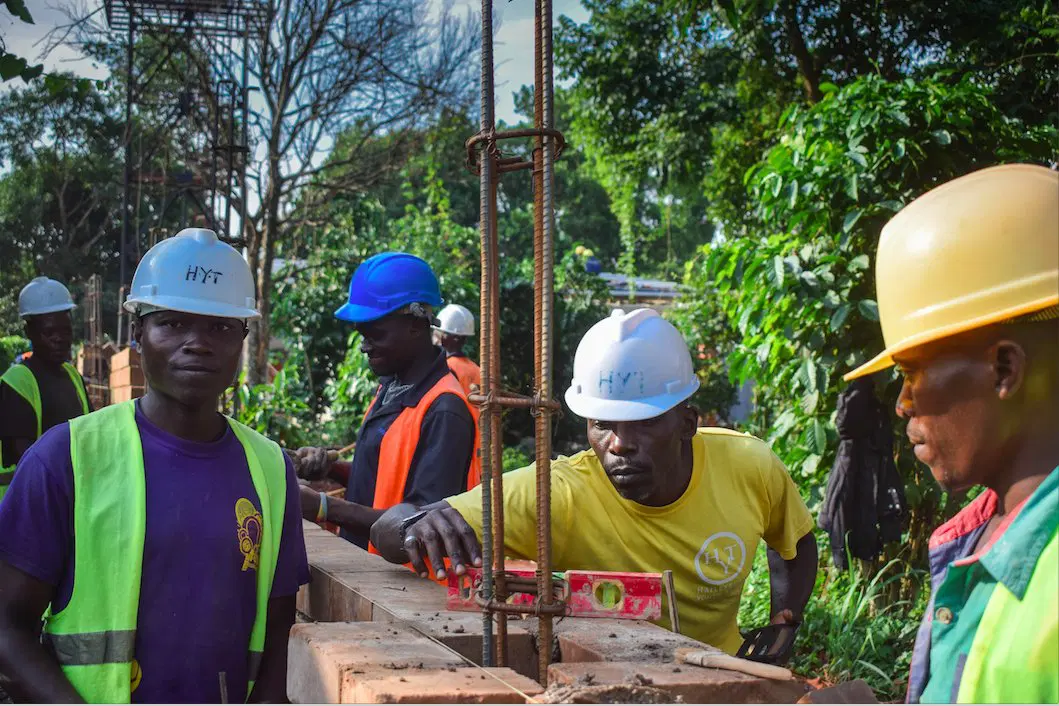
Jua Kali equipment catalogue marks a major step in strengthening Uganda’s informal sector. The Ministry of Gender, Labour and Social Development has introduced this tool to improve efficiency, sustainability and proper equipment use among beneficiaries.
The ministry developed the Jua Kali equipment catalogue alongside a maintenance plan. As a result, the programme now offers clear guidance on how beneficiaries should use and manage business equipment. This approach aims to reduce misuse and extend the lifespan of tools.
Officials designed the catalogue through the programme management unit of the Jua Kali Programme. Therefore, it reflects practical insights from implementation and field experience. In addition, it provides structured guidance for both applicants and existing beneficiaries.
Formally known as Empowering Informal Businesses into Formal Growth, the programme targets Uganda’s vast informal economy. Consequently, it plays a key role in promoting productive employment and business transformation. Through this initiative, the government seeks to help informal enterprises transition into the formal sector.
The Jua Kali equipment catalogue supports this goal by standardising the type and use of equipment provided. For example, it outlines recommended toolkits for different trades. It also includes maintenance practices to ensure long-term usability.
Moreover, the programme supports beneficiaries through multiple interventions. These include the provision of business equipment, policy research and innovation. In addition, it offers programme supervision and business development services. As a result, participants receive both tools and technical support.
During a review meeting at the ministry, Permanent Secretary Aggrey David Kibenge urged stakeholders to contribute actively. He emphasized the importance of technical expertise and market knowledge. Therefore, collaboration will ensure that the catalogue meets industry standards.
“This catalogue is intended for use by government ministries, departments and agencies, local governments, implementing partners, training institutions and programme beneficiaries,” Kibenge noted.
He explained that the Jua Kali equipment catalogue will act as a reference tool for implementation. In addition, it will improve coordination among stakeholders involved in the programme. Consequently, all actors will operate under a shared framework.
Kibenge, who Assistant Commissioner Hillary Businge represented, also called for detailed input from stakeholders. He asked them to identify gaps across sectors. Furthermore, he urged them to verify the accuracy of indicative equipment prices.
“Your input will directly shape this catalogue,” he said. “It must be technically sound, practical and responsive to the needs of our beneficiaries.” As a result, the ministry expects a final document that reflects real market conditions.
The Jua Kali equipment catalogue builds on earlier government directives. The programme itself stems from a Cabinet directive focused on job creation. In addition, a 2016 directive from President Yoweri Kaguta Museveni pushed ministries to prioritise youth and women.
These directives targeted sectors such as metal fabrication, transport and small-scale trade. Therefore, the programme aligns closely with national employment strategies. It also supports inclusive economic growth.
According to the ministry, the programme has already achieved significant reach. So far, it has supported more than 855 enterprise groups. In total, 30,245 individuals across 98 districts and 192 constituencies have benefited.
The government has also distributed 11,609 sets of business toolkits and equipment. Consequently, many small businesses have improved productivity and income levels. The Jua Kali equipment catalogue now aims to enhance these outcomes further.
The review meeting attracted a wide range of stakeholders. Representatives from Makerere University attended, along with the Uganda Manufacturers Association. In addition, the Uganda Small Scale Industries Association and the Ministry of Works and Transport participated.
Private sector players and technical staff from the ministry also contributed to discussions. Therefore, the process reflects a multi-sector approach. This collaboration ensures that the catalogue meets both academic and industry expectations.
Participants at the meeting highlighted the need for increased awareness. They called for stronger publicity of the programme. As a result, more Ugandans will access information and benefit from the initiative.
The Jua Kali equipment catalogue also responds to long-standing challenges in the informal sector. Many small businesses lack proper tools and maintenance knowledge. Consequently, equipment often breaks down or underperforms.
By addressing these gaps, the catalogue promotes better resource management. In addition, it encourages professionalism among informal businesses. Over time, this could support their transition into the formal economy.
Furthermore, the initiative strengthens accountability in programme implementation. Stakeholders can now track equipment distribution and usage more effectively. Therefore, the government can ensure better value for public investment.
For Uganda’s growing youth population, the programme offers new opportunities. It supports entrepreneurship and skill development. As a result, it helps reduce unemployment and underemployment.
In conclusion, the Jua Kali equipment catalogue represents a strategic move to modernise Uganda’s informal sector. It combines practical guidance with policy support to improve outcomes. Ultimately, it strengthens the link between government programmes and real economic impact.