The UACE Results 2025 show rising candidate numbers, stable academic patterns, and renewed debate about the balance between science and humanities education in Uganda. The results released by the Uganda National Examinations Board offer insight into performance trends across advanced-level education.
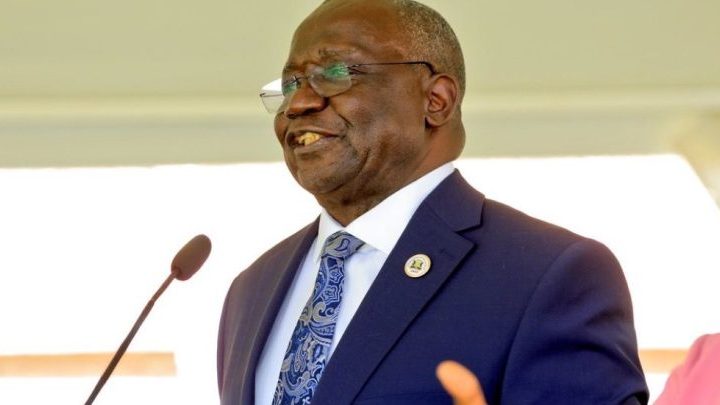
UNEB chairperson Professor Celestino Obua announced the UACE Results 2025 during an official ceremony in Kampala. The event reviewed performance across Uganda’s national examinations. These include the Primary Leaving Examination, the Uganda Certificate of Education, and the Uganda Advanced Certificate of Education.
According to UNEB, 1,402,434 candidates sat national examinations in 2025. The figure marks a significant increase from the 1,294,731 candidates recorded in 2024. Education officials say the growth reflects rising enrollment and expanding access to schooling.
Within this broader trend, the UACE Results 2025 show strong growth in advanced-level participation. The number of candidates rose by 17.2 percent. It increased from 141,996 in 2024 to 166,400 in 2025. UNEB attributes the growth to improved access to post–O-Level education.
More schools now offer advanced-level programs. Many students also view A-Level studies as a key step toward university admission. The UACE Results 2025 therefore reflect growing confidence in Uganda’s national examination system.
Despite the rising candidate population, UNEB says grading standards remained unchanged. Professor Obua stressed that fairness and integrity guided the marking process. Examiners followed the same benchmarks used in previous years.
The UACE Results 2025 also confirm familiar subject trends in Uganda’s education system. Humanities subjects continue to attract the largest number of candidates. Many students still choose subjects such as history, geography, literature, and economics.
Education leaders acknowledge the importance of humanities subjects. They shape civic awareness, leadership, and cultural understanding. However, policymakers continue to promote stronger participation in science fields.
Professor Obua urged increased investment in science education. He said Uganda’s development depends on progress in science and technology. Areas such as engineering and innovation require skilled graduates.
The UACE Results 2025 show that science enrollment is rising slowly. However, humanities still dominate subject choices. Education officials believe improved laboratories and teacher training could help shift the balance.
Another major finding from the UACE Results 2025 involves gender performance patterns. Female candidates again recorded strong results across many subjects. In several humanities disciplines, girls achieved higher grades than boys.
UNEB also reported lower failure rates among female candidates. Officials say the trend reflects continued investment in girl-child education. Programs that support girls in school are showing measurable impact.
Scholarships and mentorship initiatives have helped improve school retention. These efforts encourage more girls to complete advanced-level education. As a result, the UACE Results 2025 highlight a growing number of academically strong female candidates.
However, UNEB also noted uneven subject participation by gender. Many female students remain concentrated in humanities combinations. Fewer girls pursue science subjects at advanced level.
Education leaders say broader participation is necessary. Greater gender balance is important in fields such as medicine, engineering, and technology. The UACE Results 2025 therefore renew calls for targeted interventions.
Beyond academic performance, the UACE Results 2025 reveal progress in exam management. UNEB recorded relatively few cases of malpractice during the examination cycle. Officials attribute this improvement to stronger supervision measures.
Security procedures have also improved in recent years. Schools and candidates now receive more guidance on examination conduct. UNEB says increased awareness has reduced cheating incidents.
Where malpractice occurred, the board confirmed that investigations would follow legal procedures. UNEB officials say disciplinary actions will remain fair and transparent.
Another notable aspect of the UACE Results 2025 involves candidates studying in correctional facilities. UNEB acknowledged participation from learners at institutions such as Luzira Upper Prison. These candidates sat examinations alongside students from regular schools.
Education authorities view prison education programs as essential for rehabilitation. Learning opportunities help inmates prepare for reintegration into society. The UACE Results 2025 therefore highlight education’s wider social impact.
As thousands of students qualify for higher education, policymakers face new challenges. Universities and technical institutions must expand capacity. More students now seek places in tertiary education.
Professor Obua stressed that examinations should not be viewed as the final goal. Instead, results should lead to productive national participation. Skills training and vocational education will play a critical role.
The UACE Results 2025 show that Uganda’s education system continues to grow. However, growth must match economic opportunities. Policymakers must ensure that education leads to employment and innovation.
UNEB concluded the ceremony by thanking institutions that supported the examination process. The board recognized the Ministry of Education and Sports, supervisors, teachers, and UNEB staff.
Professor Obua also congratulated candidates who performed well in the UACE Results 2025. He encouraged students with weaker results to remain resilient. Alternative educational and vocational pathways remain available for every learner.