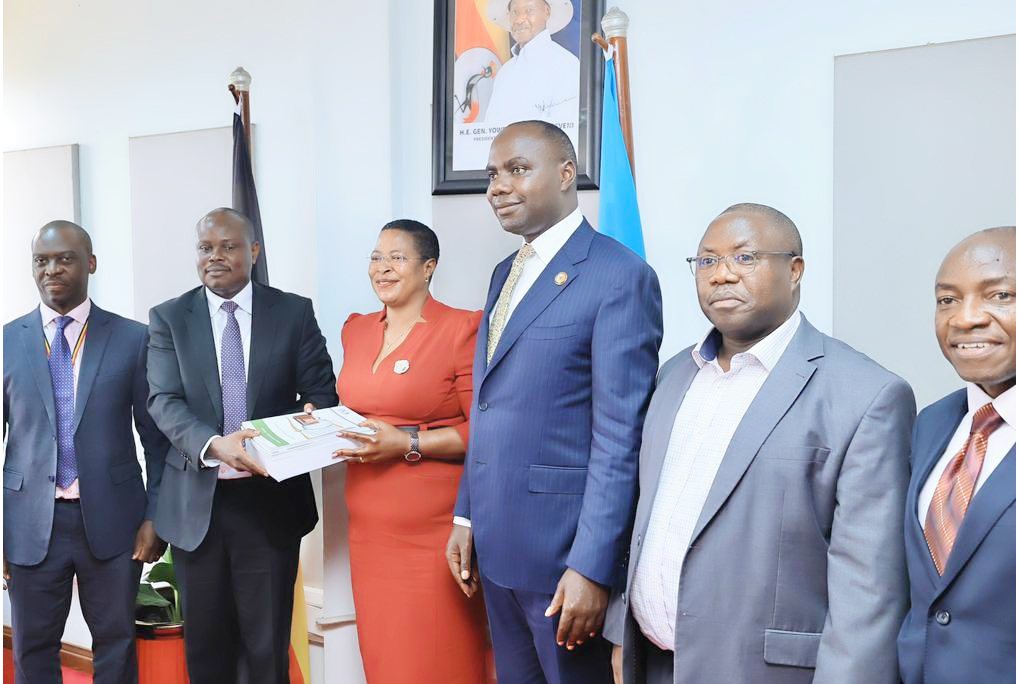
The Auditor General, Edward Akol, has delivered a sobering assessment of the Parish Development Model audit, exposing deep gaps between policy promises and on-the-ground realities. In his report for the year ending December 2025, presented to Parliament on January 29, 2026, Akol revealed that only Shs9.3 billion has been recovered from the Shs3.25 trillion the government released under the PDM by December 2022.
The PDM, launched as a flagship NRM initiative to lift households out of subsistence farming, operates as a revolving fund channeled through parish-level SACCOs. Yet the audit found almost no readiness for repayment across local governments. “There is no evidence of preparedness for recovery,” the report stated bluntly.
Of the total Shs3.2 trillion disbursed to 10,589 SACCOs, 84%—or Shs2.7 trillion—reached beneficiaries. But serious irregularities followed. Auditors discovered that 619 beneficiaries ran ineligible projects. Another 109 received funds for projects that did not exist. Worse, 328 diverted Shs263 million for personal use, and 2,336 households received multiple payouts—violating core program rules.
The report also flagged payroll anomalies. In 34 local governments, officials overpaid some parish chiefs by Shs9 million while underpaying others by Shs31 million. They even paid Shs55 million to 49 ineligible individuals and left Shs30 million unaccounted for. Many groups lacked proper leadership or had incorrect membership numbers, further weakening oversight.
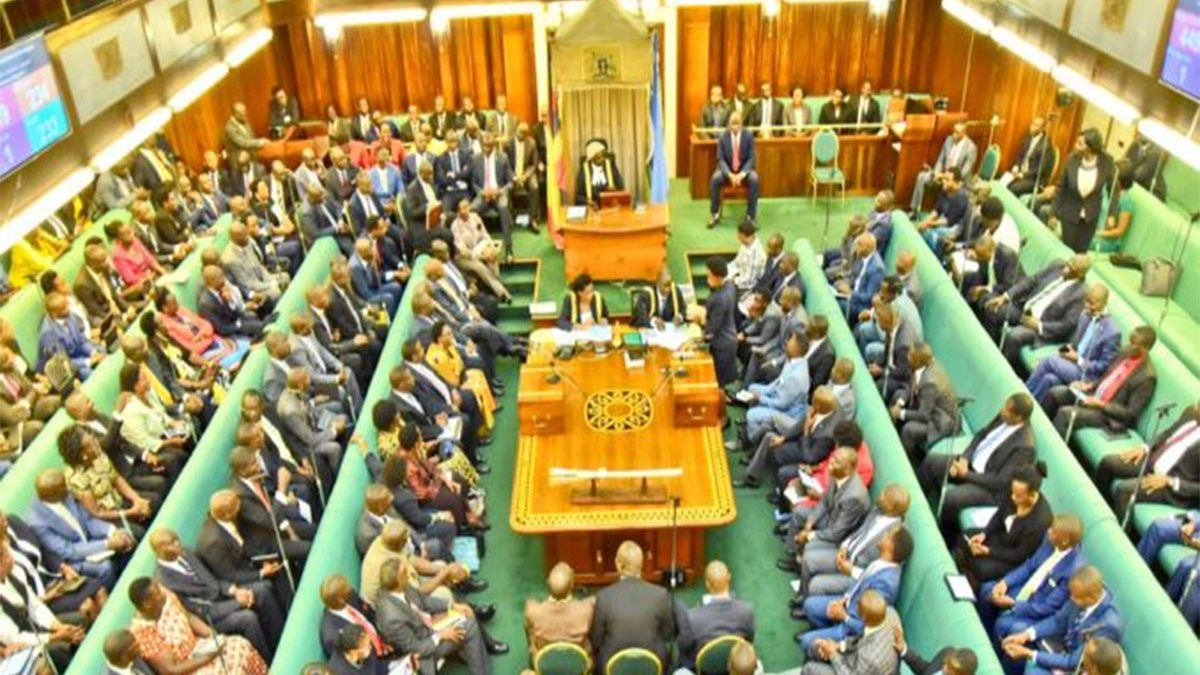
Despite these failures, Speaker Anita Among defended the PDM as key to the NRM’s electoral success in the January 15 polls. “Most of the votes we got were because people received money rightfully,” she claimed. She urged the Ministry of Finance to fund stronger audits so “the right people” benefit—not the wealthy elite.
Akol recommended faster fund recovery, better monitoring, and stricter eligibility checks. He warned that without reform, the PDM risks becoming a permanent grant rather than a sustainable revolving fund.
Beyond the PDM, the audit painted a broader picture of fiscal strain. Uganda’s public debt hit Shs114.6 trillion by June 2025—a 65.6% rise in five years—though still below the 54% debt-to-GDP ceiling. Much of this jump came from a one-off Shs7.78 trillion bond to repay pandemic-era borrowing from the Bank of Uganda.
Domestic debt now exceeds foreign debt by Shs3 trillion, raising concerns about crowding out private investment. While tax collections rose—from Shs22.1 trillion in 2021/22 to Shs32.4 trillion in 2024/25—Uganda’s tax-to-GDP ratio remains stuck at 13.4%, well below the 15% benchmark for developing nations. Akol blamed narrow tax coverage and weak administration.
On oil, the report sounded alarms. Critical infrastructure lags behind schedule: Tilenga is only 57% complete (vs. 73% target), Kingfisher 69.6% (vs. 73%), and the East African Crude Oil Pipeline just 62.5% (vs. 72%). The National Oil Spill Response project received only Shs1.2 billion of its Shs59.9 billion budget, leaving Uganda dangerously unprepared for emergencies. “This poses unmitigated environmental and safety risks ahead of First Oil,” Akol warned—contradicting President Museveni’s January 18 pledge that oil would flow “very soon.”
Staffing gaps plague public service too. Nearly half of all positions—301,600 out of 658,104—remain vacant. Referral hospitals suffer most, with 71% of roles unfilled. Teaching posts have 95,396 vacancies. The health sector struggles to attract specialists due to low pay, forcing patients into costly private care.
Procurement chaos adds to the burden. Road construction costs vary wildly—from Shs299,977 to Shs609,639 per square meter—showing no price standardization. Shs6.5 trillion worth of infrastructure projects face delays due to poor planning and weak contractor oversight.
Meanwhile, wetland destruction continues unchecked. Fourteen major water bodies face encroachment from farming, mining, settlements, and drainage—violating environmental laws. This has triggered flash floods, algal blooms, and rising treatment costs.
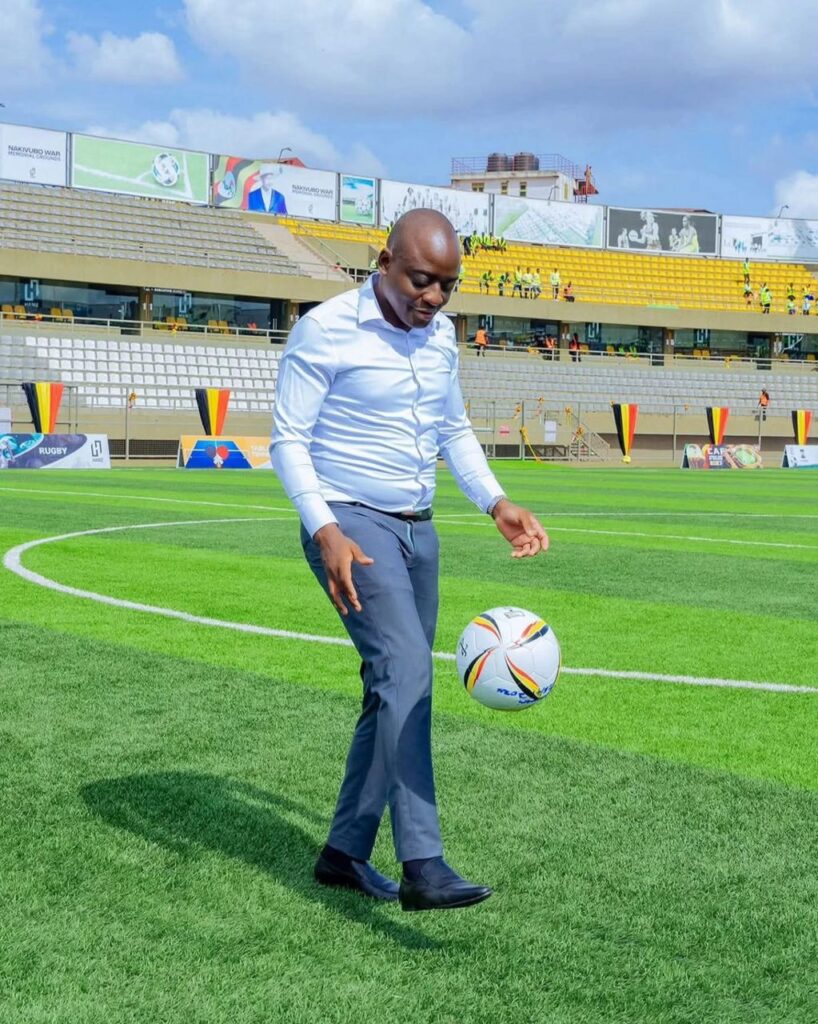
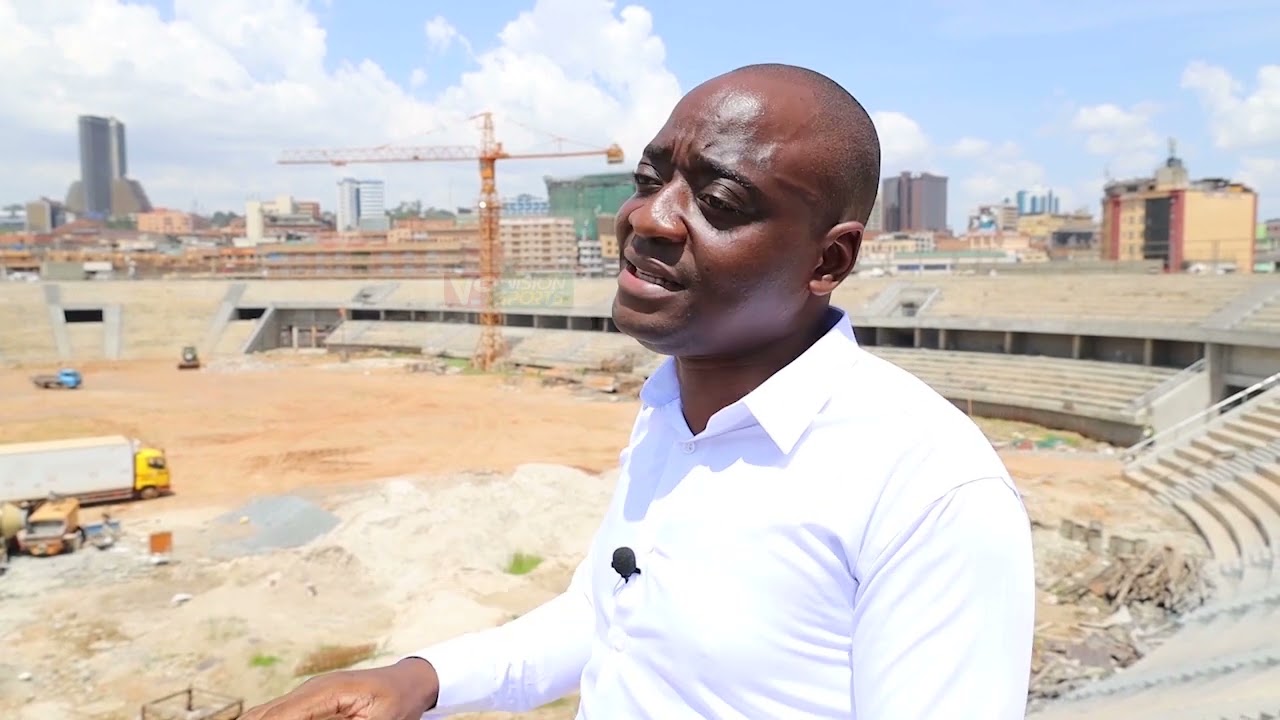
On a brighter note, Akol praised progress on the Hoima City Stadium for the 2027 Africa Cup of Nations. But Mandela National Stadium lacks working AC in VIP lounges, and drainage systems at key venues remain inadequate. Akii-Bua Stadium is only 25% complete, though officials promise completion by August 2026.
In health, Uganda lost $312 million in donor support for maternal and disease programs. The National Medical Stores face a Shs181 billion annual shortfall, leading to chronic medicine shortages. Blood stock-outs lasted up to a full year in 34 facilities. Meanwhile, Shs150 billion worth of ICU and theatre equipment sits idle, and most oxygen plants lack maintenance.
Altogether, the Parish Development Model audit underscores a recurring theme: ambitious policies collapse without accountability, capacity, and transparency. As Speaker Among herself admitted, “We cannot appropriate money and let 70% go to the rich.” The real test now is whether the government will act—or repeat the same mistakes.