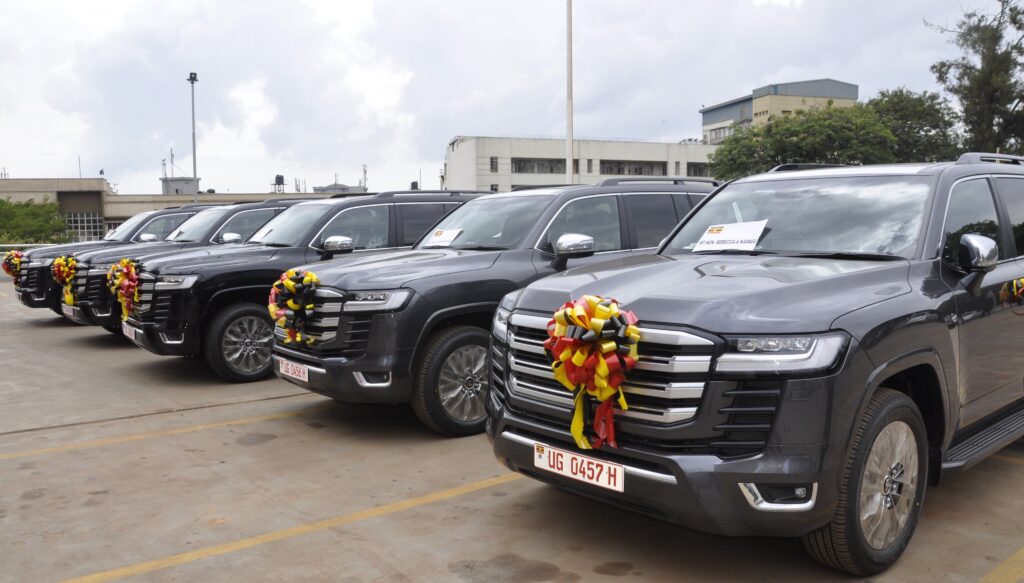
The latest national budget has approved a significant MPs’ vehicle allocation, granting each of the 529 lawmakers in Uganda’s 12th Parliament Shs315.3 million to purchase a car. This marks a sharp increase from the Shs200 million provided during the 11th Parliament. Altogether, taxpayers will shoulder an estimated Shs166.8 billion in the 2026/2027 financial year solely for this purpose—funds justified as necessary to support legislators’ “legislative, oversight, and representative functions.”
According to the House Budget Committee, reliable and standardized transport is essential because MPs travel extensively across constituencies. They argue that personal vehicle ownership reduces long-term operational inefficiencies. Notably, the Ministry of Finance had initially omitted this expense from its draft estimates. However, after intervention by the Legal and Parliamentary Affairs Committee, the Budget Committee swiftly added the provision—and Parliament approved it unanimously yesterday.
Budget Committee Chairperson Patrick Opolot Isiagi defended the hike by citing inflation and rising vehicle costs. “Everything has gone high,” he explained. “The Shs200m price was set five years ago, paid in instalments, and by the end, the car was already worn out.” He emphasized that MPs bear all maintenance and driver costs themselves, making this one-off grant more economical than a government-managed fleet.
Chris Obore, Parliament’s Director for Public and Corporate Affairs, echoed this view. He noted that, under public service protocols, MPs qualify for chauffeur-driven, fully maintained vehicles—an option he claims would cost far more than the current Shs315.3m lump sum over five years. “They foot the bills for drivers and repairs,” he said. “This system actually saves the state money.”
Nevertheless, civil society voices strongly disagree. Julius Mukunda of the Civil Society Budget Advocacy Group called the move tone-deaf amid national economic strain. “Financing Parliament feels like an unending abyss,” he remarked. “While districts lack ambulances and health workers, we’re spending billions on luxury cars for lawmakers.” He urged for more considerate budgeting, especially since MPs are also expected to seek salary increases soon.
Beyond vehicles, the budget includes other costly provisions. Lawmakers approved an extra Shs5.636 billion to cover rising medical insurance premiums, citing increased use of specialized and overseas care. Additionally, Shs91.5 billion was allocated for construction of the new parliamentary chamber and redesign of nearby government buildings.
Currently, each MP earns roughly Shs30 million monthly and receives domestic travel allowances of Shs400,000 per night. International per diems range from $720 to $820 per night, depending on rank. Medical coverage extends to six dependants. Yet critics question whether such benefits align with public needs—especially when core services remain underfunded.
In total, Parliament’s baseline budget stands at Shs1.028 trillion—about 1.4% of the national budget. But this figure excludes the new vehicle and insurance allocations, pushing actual spending even higher. While supporters frame these expenses as necessary for effective governance, opponents see them as emblematic of a disconnect between leaders and citizens.
Ultimately, the MPs’ vehicle allocation reflects deeper tensions in public finance: balancing institutional functionality against fiscal responsibility and social equity. As Uganda navigates economic challenges, how Parliament justifies its spending may matter as much as the spending itself.