The Apac water crisis intensifies daily for affected communities. Consequently, residents walk miles seeking safe water. Furthermore, prolonged drought strains households severely. Thus, livestock and social stability face unprecedented pressure.
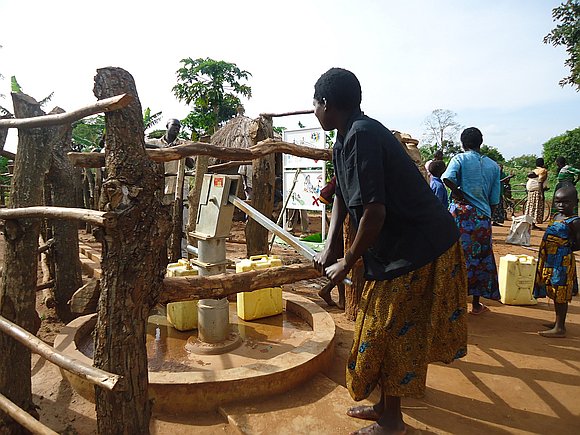
Specifically, Apoi Sub-county residents endure harsh realities. Traditional water sources have dried up completely. Therefore, families trek long distances each day. Moreover, herders move cattle farther for pasture. This migration disrupts community cohesion significantly. Additionally, low water coverage areas suffer most. The Apac water crisis thus deepens vulnerability.
Clean water access grows increasingly expensive. A 20-litre jerrycan now costs Shs 2,000. Consequently, many families cannot afford this price. Furthermore, those unable to pay seek alternatives. Thus, they draw water from lakes and dams. This practice exposes households to serious health risks. Waterborne diseases rise sharply among children. Specifically, diarrhoea cases increase noticeably. Therefore, the Apac water crisis threatens public health.
Long queues at water points cause frustration. “We spend hours waiting,” explained Lidya Akello. She resides in Wigweng Village. Additionally, women leave home early and return late. Consequently, domestic misunderstandings and conflicts emerge. Moreover, young girls face heightened risks. They travel long distances alone for water. Thus, some encounter exploitation and danger. This burden disproportionately affects female community members. The Apac water crisis thus undermines social stability.
Health concerns escalate with untreated water use. Families using lake water report more illnesses. Specifically, children suffer diarrhoea frequently. Therefore, medical costs strain household budgets further. Additionally, time spent fetching water disrupts family life. Susan Ajok, an Apoi resident, voiced concerns. “The water crisis affects family stability,” she stated. Furthermore, young girls face early sexual activity risks. Thus, she appealed for government intervention. Reliable water sources must reach communities urgently.
The crisis extends beyond Apoi Sub-county. In Omele Cell, Apac Sub-county, over 800 residents lack functional boreholes. Consequently, they share a dam with animals. This arrangement poses contamination risks. Therefore, water quality remains questionable. Additionally, unsuccessful drilling attempts worsen shortages. District authorities acknowledge these persistent challenges. However, officials pursue long-term solutions actively.
Apac District Water Officer Patrick Okwir addressed the situation. “We consider sustainable options like motorised pumping systems,” he stated. Consequently, persistent shortages may ease in affected areas. Furthermore, the district received Shs 374.8 million in development grants. These funds support critical water infrastructure projects. Specifically, eight deep boreholes will be drilled. Additionally, ten non-functional water points undergo rehabilitation. Moreover, a drainable public latrine will be constructed at Abuli Trading Centre. Three new boreholes target Apoi Sub-county directly. Thus, the Apac water crisis may see relief soon.
Climate change intensifies extreme weather patterns. Therefore, drought conditions persist unpredictably. Consequently, residents and local leaders demand increased investment. They call for robust water infrastructure development. Additionally, climate adaptation measures require urgent attention. Thus, without intervention, clean water access remains elusive. This essential resource supports health, livelihoods, and stability. Therefore, the Apac water crisis demands immediate, coordinated action.
Community resilience offers hope amid challenges. Specifically, local groups organize water-sharing initiatives. Furthermore, women’s cooperatives advocate for equitable access. Thus, grassroots efforts complement government interventions. Additionally, traditional knowledge informs sustainable practices. Consequently, holistic approaches strengthen long-term outcomes. The Apac water crisis thus catalyzes collaborative solutions.
Sustainable water management requires continuous commitment. Therefore, monitoring systems track resource availability. Furthermore, maintenance protocols ensure infrastructure longevity. Thus, preventive care reduces future breakdowns. Additionally, community training empowers local stewardship. Consequently, ownership fosters responsible water use. This participatory model enhances project sustainability.
Investment in climate-resilient infrastructure proves essential. Specifically, solar-powered pumps reduce operational costs. Furthermore, rainwater harvesting systems supplement supply. Thus, diversified sources buffer against drought. Additionally, watershed protection conserves natural resources. Consequently, ecosystems support human needs sustainably. This integrated approach addresses root causes effectively.
Public awareness campaigns amplify impact significantly. Therefore, residents learn water conservation techniques. Furthermore, hygiene education reduces disease transmission. Thus, behavioral changes complement infrastructure development. Additionally, school programs instill lifelong practices. Consequently, future generations prioritize water stewardship. This cultural shift strengthens community resilience.
Ultimately, resolving the Apac water crisis requires multi-sector collaboration. Consequently, government agencies coordinate implementation efforts. Furthermore, NGOs provide technical expertise and funding. Thus, private sector partners contribute innovation. Additionally, communities actively participate in decision-making. Therefore, inclusive strategies yield sustainable outcomes. Shared commitment transforms challenges into opportunities.
Measurable progress builds public trust effectively. Specifically, transparent reporting tracks project milestones. Furthermore, community feedback informs adjustments. Thus, adaptive management optimizes resource allocation. Additionally, independent evaluations ensure accountability. Consequently, evidence-based decisions enhance impact. This results-focused approach delivers tangible benefits.
Hope persists despite ongoing hardships. Therefore, residents maintain determination for change. Furthermore, local leaders advocate persistently for support. Thus, collective action drives meaningful progress. Additionally, national attention highlights urgent needs. Consequently, policy responses may accelerate soon. The Apac water crisis can yield to sustained, compassionate intervention.