The Democratic Republic of the Congo declared an end to its latest Ebola outbreak on Monday, marking the conclusion of the country’s 16th encounter with the virus since 1976. Health Minister Roger Kamba made the announcement at a ceremony in Kinshasa attended by Prime Minister Judith Suminwa Tuluka and representatives from the World Health Organization and Africa CDC. “The chain of transmission has been stopped. I hereby officially declare the end of the 16th Ebola outbreak in the DRC,” Kamba stated. The declaration confirms that no new infections have emerged since September 25.
The DR Congo Ebola outbreak began on September 4 in Kasai Province, central DRC, creating additional strain on an already overburdened health system. At the time of the flare-up, the country was simultaneously battling resurgences of mpox, cholera, and measles across multiple regions. Health authorities reported 64 total cases in the Bulape health zone, including 53 confirmed and 11 probable infections. The outbreak claimed 43 lives before health workers successfully contained its spread through rapid response measures.
Response Efforts Prove Effective
International health organizations worked closely with Congolese authorities to contain the virus. WHO and Africa CDC officials attended Monday’s declaration ceremony, underscoring the collaborative nature of the response. Their involvement included technical support, contact tracing assistance, and coordination of vaccination campaigns. The relatively contained nature of this DR Congo Ebola outbreak demonstrates improved preparedness compared to previous larger-scale epidemics that spread to urban centers.
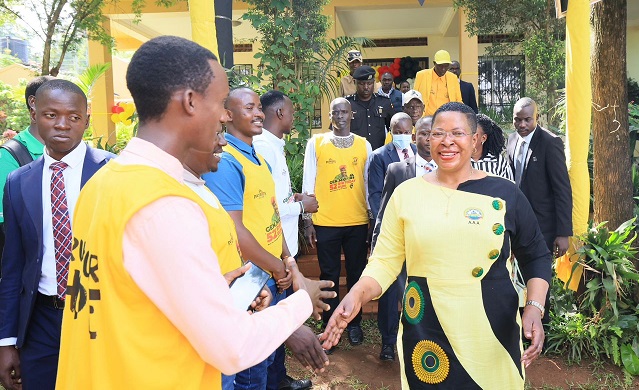
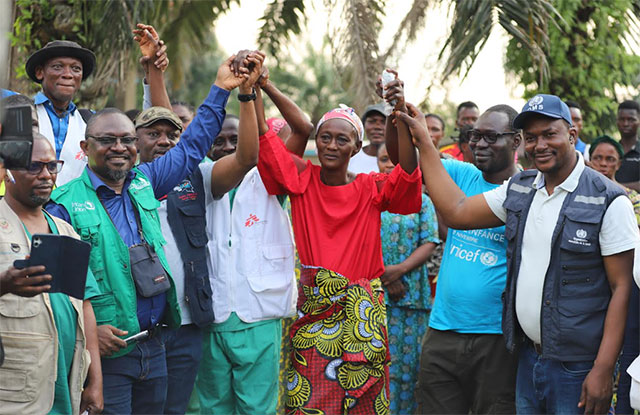
Health workers deployed to affected communities in Kasai Province faced significant logistical challenges. The region’s infrastructure limitations require creative solutions for transporting vaccines, protective equipment, and medical supplies. Community engagement proved essential for building trust and encouraging symptomatic individuals to seek treatment promptly. Survivors played visible roles in the response, with photographs showing recovered patients celebrated by medical personnel upon discharge from treatment centers.
Historical Context of Ebola in DRC
The country has experienced more Ebola outbreaks than any other nation since the virus’s discovery near the Ebola River in 1976. Each DR Congo Ebola outbreak provides valuable experience that strengthens future response capacity. The previous outbreak occurred in 2022 in the eastern province of North Kivu, a region experiencing active conflict that complicated containment efforts. That epidemic required extensive coordination between health authorities and security forces to reach affected populations.
Ebola remains one of the world’s most dangerous pathogens despite advances in treatment and prevention. The virus causes severe hemorrhagic fever with symptoms including fever, vomiting, diarrhea, generalized pain, and malaise. Many cases progress to internal and external bleeding, contributing to the high fatality rate observed across outbreaks. The availability of effective vaccines and therapeutic treatments has dramatically improved survival odds compared to earlier epidemics.
Coexisting Health Emergencies
The concurrent mpox, cholera, and measles outbreaks complicated the response to this DR Congo Ebola outbreak. Health facilities faced multiple demands on limited resources, requiring careful prioritization and resource allocation. Mpox cases continue appearing across several provinces, while seasonal cholera outbreaks strain water and sanitation infrastructure. Measles vaccination campaigns compete for the same health worker time and community engagement efforts needed for Ebola containment.
Health Minister Kamba acknowledged these overlapping challenges during the declaration ceremony. He emphasized that while Ebola has been contained, the broader public health environment requires sustained vigilance and investment. The country’s disease surveillance systems must remain alert for any resurgence while simultaneously monitoring multiple other threats. International partners pledged continued support for strengthening health systems against future outbreaks.
The successful containment demonstrates the value of investments made since the devastating 2014-2016 West Africa epidemic. That outbreak exposed critical gaps in global pandemic preparedness and catalyzed reforms in outbreak response. The DR Congo Ebola outbreak response benefited from improved coordination mechanisms, faster diagnostic capabilities, and pre-positioned medical supplies. Community engagement strategies developed over years of responding to recurring outbreaks proved essential for gaining public cooperation.
Prime Minister Tuluka’s presence at the declaration ceremony signaled high-level political commitment to public health priorities. Government leadership remains essential for mobilizing resources, coordinating multisectoral responses, and maintaining focus on health emergencies. The prime minister commended health workers who risked their lives to care for patients and contain transmission. She also thanked international partners for their technical and financial support during the response.
For affected communities in Kasai Province, the end of this outbreak brings relief but also grief for 43 families who lost loved ones. Survivors face ongoing health monitoring and potential long-term complications from Ebola infection. Psychological support services remain important for individuals traumatized by illness and loss. The declaration of outbreak end does not erase the human toll but does allow communities to begin recovery.
Global health officials view this DR Congo Ebola outbreak as another test of the systems established to prevent pandemic spread. Each contained outbreak validates the approach of rapid response, community engagement, and international coordination. However, the persistence of Ebola in animal reservoirs ensures new spillover events will continue occurring. Maintaining readiness between outbreaks presents ongoing challenges for under-resourced health systems. The country now shifts focus to the remaining health emergencies while preparing for whatever threat emerges next.