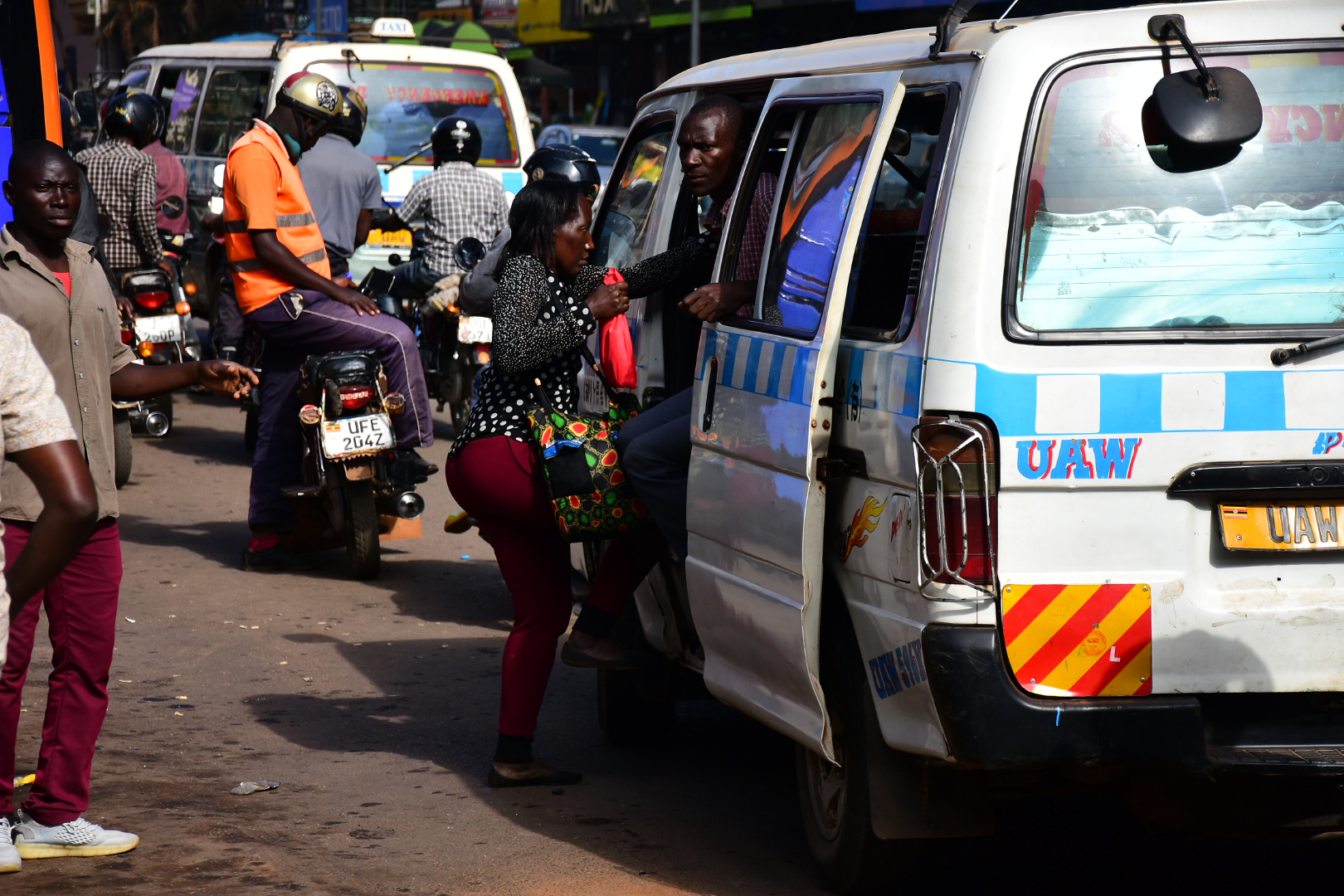
Kampala taxi ban now takes center stage as the government moves decisively to remove dangerous mechanically conditioned vehicles from the city’s roads. As a result, the directive signals a strong shift in public transport regulation.
The Ministry of Works and Transport announced the directive during a stakeholders’ meeting in Namanve, and immediately began enforcement. In particular, officials noted that many taxis operate in poor mechanical condition and put passengers and other road users at risk. Consequently, rising accidents linked to unsafe vehicles pushed the government to act without delay.
State Minister for Works and Transport Fred Byamukama openly criticized the condition of many taxis in Kampala. For instance, he pointed to doors tied with ropes, damaged interiors, and unhygienic conditions. Moreover, he stressed that such vehicles compromise both safety and dignity. Therefore, the Kampala taxi ban now ensures that only roadworthy taxis remain in operation.
At the same time, authorities have intensified enforcement across the city. The Ministry coordinated directly with the Uganda Police Force, and officers now inspect vehicles along major routes. In addition, they stop, check, and remove non-compliant taxis from the road. As a result, this direct approach closes gaps that previously allowed unsafe vehicles to continue operating.
Furthermore, the government has tightened inspection requirements. Previously, many taxi operators ignored mandatory inspections and continued operating without certification. Now, however, officials require every taxi to undergo a full mechanical check before returning to service. In this way, the Kampala taxi ban places inspection at the center of transport safety enforcement.
During inspections, officials examine brakes, tires, engines, and structural condition. As expected, these checks ensure that each vehicle meets basic safety standards. Consequently, authorities believe these actions will reduce accidents caused by mechanical failure. At the same time, better vehicle conditions will improve passenger comfort and restore confidence in public transport.
Meanwhile, Uganda continues to face serious road safety challenges. In many cases, poor vehicle maintenance and reckless driving contribute to accidents each year. Because of this, the government now uses the Kampala taxi ban to directly address one of the main causes of these crashes. Therefore, officials present the measure as a necessary safety intervention rather than punishment.
In addition, the ministry has expanded its focus beyond taxis. Specifically, authorities have issued a strict timeline for buses operating on eastern and northern routes. These routes record frequent accidents, and therefore require urgent attention. As a result, operators must complete inspections and display valid certification within the set period. Otherwise, those who fail to comply will lose the right to operate.
At the same time, the government has taken over motor vehicle inspection services. Previously, a private contractor handled this role; however, officials now believe direct control will improve accountability and efficiency. Consequently, this change strengthens enforcement and ensures that all vehicles meet the same safety standards. In turn, the Kampala taxi ban works alongside this reform to create a more reliable inspection system.
For taxi operators, the new rules introduce greater responsibility. On one hand, many must repair or replace aging vehicles to meet the required standards. On the other hand, officials believe the long-term benefits will outweigh the short-term costs. Indeed, safer vehicles reduce accidents, lower losses, and improve trust in the transport sector.
Likewise, passengers will experience immediate benefits. For example, safer taxis will reduce travel risks and improve reliability. In addition, cleaner and better-maintained vehicles will make daily commuting more comfortable. Therefore, the Kampala taxi ban aims to deliver a transport system that protects both lives and dignity.
Overall, the government continues to push for discipline across the transport sector. In particular, officials emphasize compliance, accountability, and safety as non-negotiable standards. As such, the Kampala taxi ban forms part of a wider effort to restore order and professionalism in public transport.
Going forward, authorities remain firm and consistent in enforcement. Indeed, they have made it clear that unsafe vehicles have no place on Kampala’s roads. Consequently, operators must meet the required standards or exit the system entirely.
In the long term, the Kampala taxi ban could transform road safety in Uganda. By enforcing strict inspections and removing dangerous vehicles, the government takes concrete steps to reduce preventable accidents. Ultimately, if enforcement continues at this level, Kampala’s roads will become safer and more reliable for everyone.