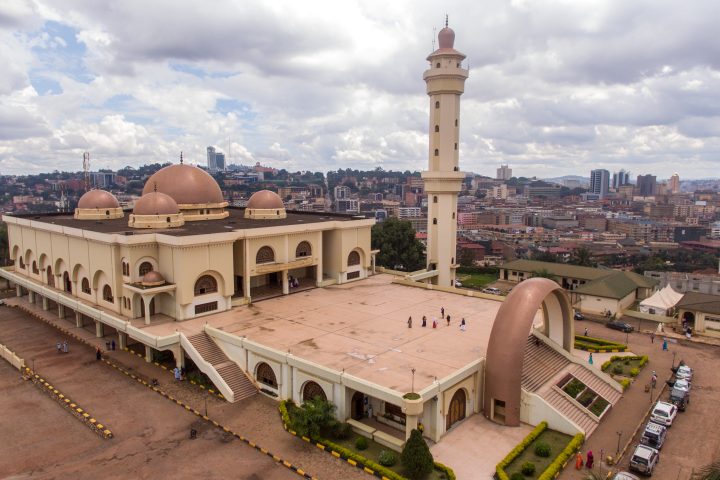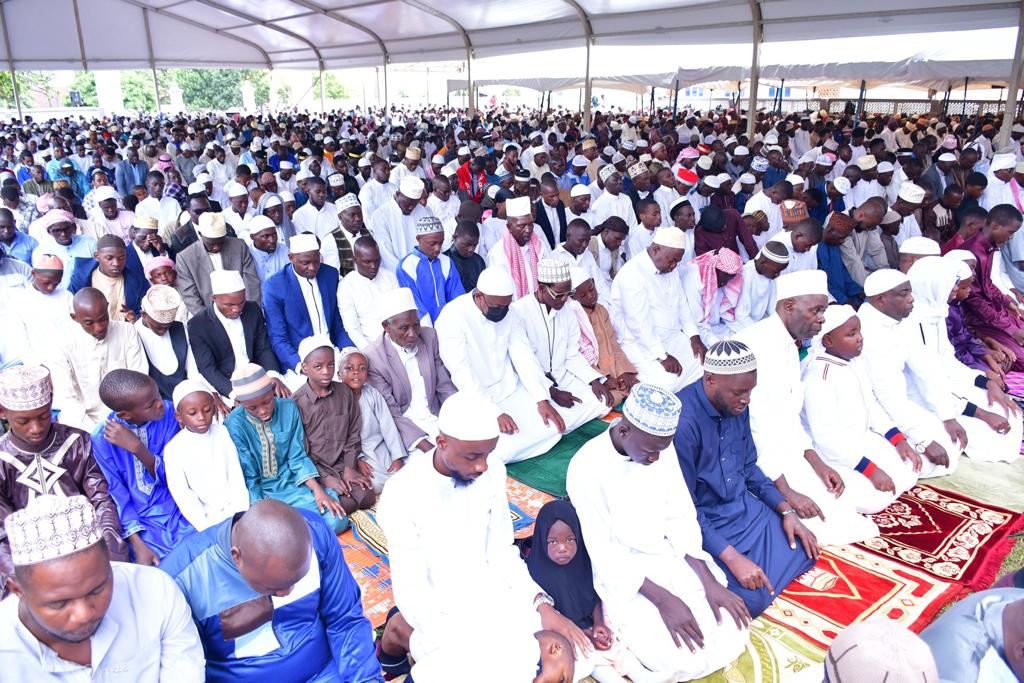
Muslim leaders gathered recently across Kampala. They spoke during Eid al-Fitr Uganda ceremonies. Compassion for the people whose income is below the poverty threshold topped their agenda. Inclusivity in leadership followed closely behind. Moreover, sustained discipline beyond Ramadan was another key theme. Major mosques hosted these significant events. For instance, Kibuli Mosque held a large congregation. Similarly, Gadaffi National Mosque welcomed many worshippers. Additionally, Nakivubo Blue Primary School hosted gatherings too. These events reflected local concerns primarily. Furthermore, they showed global Islamic solidarity clearly. Indeed, the day united faith with civic advocacy.
At Kibuli Mosque, the Supreme Mufti spoke. Sheikh Muhammad Shaban Galabuzi addressed recent demolitions. Authorities removed structures at Owino Market on March 7. He emphasized that such actions hurt low-income traders. These people depend on the market for survival. Therefore, the rich must learn to be humane. They should coexist with the people whose income is below the poverty threshold, Sheikh Galabuzi stated. He noted that Owino Market has provided livelihoods for decades. Thousands of urban dwellers rely on it daily. Consequently, the Mufti urged authorities to allocate alternative spaces. Affected vendors need to support their families immediately. This economic justice appeal was central to the day. Indeed, it defined the spirit of Eid al-Fitr Uganda significantly. Furthermore, the message resonated with many attendees.
Sheikh Shaban Mubajje spoke at Gadaffi National Mosque. He prayed in Old Kampala during the ceremonies. He echoed these concerns about evictions strongly. Specifically, he called on the government to compensate residents. People lost property in recent downtown floods. Proper planning is needed before enforcing evictions. Street vendors and boda boda riders are affected. Uncoordinated evictions threaten standards of living significantly. Moreover, they threaten security for many Ugandans. He warned the government about these risks clearly. These appeals formed a central pillar of the event. Thus, they were vital to Eid al-Fitr Uganda gatherings. Additionally, his words inspired action among listeners.
The Kabaka of Buganda, Ronald Muwenda Mutebi II, spoke. He condemned post-election violence strongly. Prof Twaha Kaawaase delivered the speech on his behalf. He demanded fair hearings for those contesting results. Furthermore, he emphasized responsible use of digital platforms. Unity across religious lines is important. Prince Kassim Nakibinge called for transparency publicly. Seven people died in Butambala District during elections. Therefore, he urged the Director of Public Prosecutions to act. The Inspector General of Police must investigate fully. Families need fairness and justice urgently. Additionally, political prisoners should appear in court promptly. Detention without trial is not acceptable. This call for justice was clear. Consequently, the community expects swift action.
Leaders met at Nakivubo Blue Primary School. Jamuiyyat Tabliq Daawa Al Salafiyya spoke there. They urged the government to consider qualified Muslims. Leaders must make high-level public appointments inclusive. Jamil Ibrahim Mayengo delivered the Eid message. Sheikh Muhammed Yunus Kamoga signed the statement. Authorities should consider qualified Muslims. This promotes inclusivity and fairness nationally. Ultimately, national unity is the goal. This call aligns with broader efforts locally. Communities need equitable representation. Mayengo encouraged Muslims to carry forward discipline. Charity and devotion observed during Ramadan matter. These values should enter daily lives now. The JTDS noted logistical constraints in outreach. Consequently, the message reinforced Eid al-Fitr Uganda themes. Furthermore, the organization seeks more support.
Leaders expressed concern for Muslims worldwide. They noted hardship in conflict zones openly. JTDS called for continued prayers for peace. They specifically mentioned Iran in the statements. Sheikh Mubajje condemned the use of force. He cited the United States and Israel. Military action intensifies conflict rather than resolving it. Therefore, he urged Muslims globally to turn to prayer. Spiritual reflection is a pathway to peace. These global appeals underscored the interconnected nature. Faith links with advocacy during celebrations. They discussed conflicts in the Middle East. This perspective shaped Eid al-Fitr Uganda discussions. Moreover, the message promoted global solidarity.
Dr. Ramathan Ggoobi attended as chief guest. He is Permanent Secretary of the Ministry of Finance. He linked Islamic values to national development. The economic messages emphasized peace consistently. Peace enables Uganda’s prosperity in trade. Industrial growth supports the government’s strategy. The economy should grow to $500 billion by 2040. Ggoobi highlighted commitment to Halal economic principles. This includes Islamic finance and ethical banking. Agriculture and regional trade also play key roles. The government has invested heavily in wealth creation. Specifically, the government invested Shs2.4 trillion annually for ten years. Muslims should follow Islamic principles of lawful earning. Ethical business conduct drives economic transformation. This focus marked Eid al-Fitr Uganda. Additionally, the vision encourages broad participation.
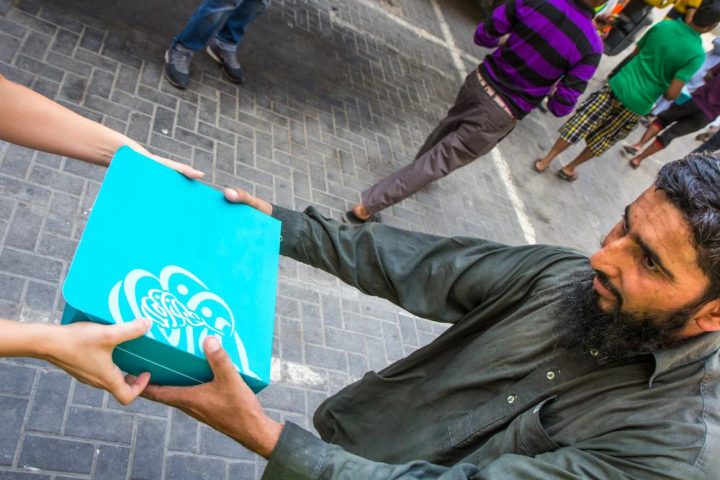
A recurring theme was sustaining spiritual discipline. Ramadan cultivates discipline importantly. Leaders encouraged congregants to maintain regular prayer. Believers must continue charitable giving throughout the year. Self-restraint in daily routines remains vital. This emphasis strengthens personal faith significantly. Community cohesion throughout the year is the aim. The focus on compassion for the poor matters. Ethical governance reflects a holistic vision. National progress is rooted in Islamic values. Believers observed fasting from dawn to sunset. Believers completed the holy month of Ramadan. Thus, the spiritual foundation remains strong.
Muslims worldwide marked the end of Ramadan. Messages from Kampala reflected local advocacy. Leaders balanced global Islamic values carefully. Calls for justice resonate beyond the Muslim community. They offer a framework for national unity. All citizens share the goal of sustainable development. Eid al-Fitr Uganda served as a platform. Leaders engaged in constructive dialogue. They also discussed the economic future. The collective voice emphasized faith and action. Faith makes meaningful change possible. The event concluded with prayers for stability. Eid al-Fitr Uganda ended on a hopeful note. Furthermore, the community remains committed to progress. Indeed, the messages will guide future actions. Thus, the nation moves forward together. Finally, these values will shape Uganda’s path ahead. Consequently, Eid al-Fitr Uganda inspired lasting change.
READ: Law Intern Granted Bail in Bobi Wine Court Records Case