Qurbani on behalf of someone is a question many Muslims ask during the blessed days of Dhul Hijjah. This sacred act of worship holds deep spiritual meaning in Islam. Muslims perform Qurbani during Eid ul-Adha to honor the devotion of Prophet Ibrahim (AS) and strengthen their connection with Allah (SWT).
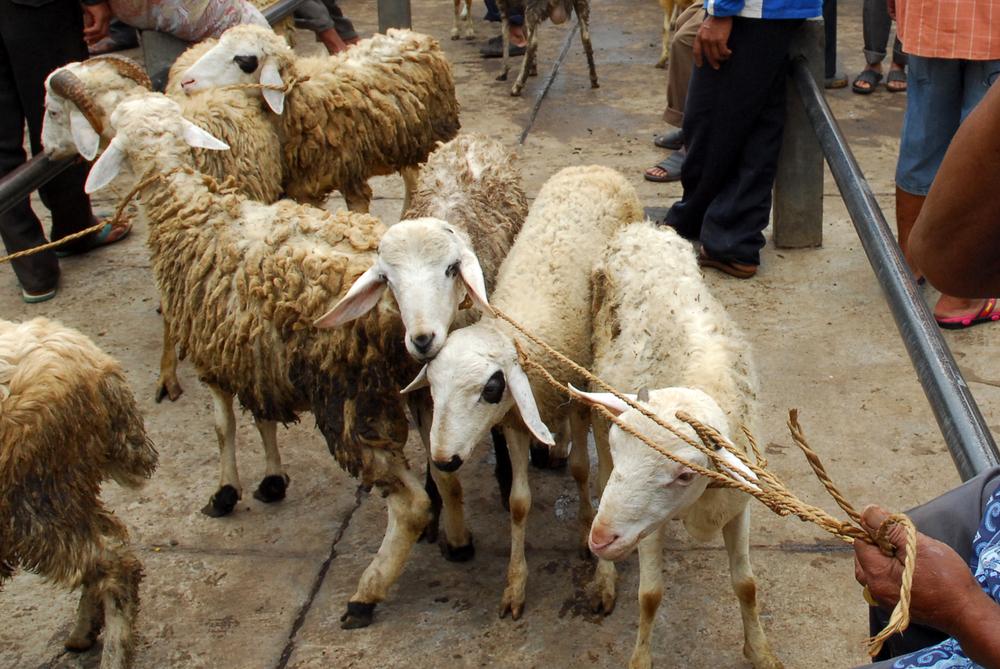
The practice of Qurbani reflects obedience, sacrifice, and generosity. During Eid ul-Adha, eligible Muslims sacrifice an animal such as a goat, sheep, cow, or camel. They then divide the meat into three parts. One portion goes to the family, another to relatives or friends, and the final share goes to people in need. Therefore, Qurbani strengthens community ties while also supporting the less fortunate.
However, many believers cannot perform the sacrifice themselves. Some live in places where slaughter regulations prevent them from doing so. Others may face financial or health limitations. As a result, many Muslims ask whether Qurbani on behalf of someone else is allowed in Islam.
Islamic teachings clearly permit performing Qurbani on behalf of another person. Scholars widely agree that Muslims may offer Qurbani for family members, deceased relatives, or individuals who cannot perform the sacrifice themselves. Nevertheless, intention remains extremely important. The sacrifice must be performed sincerely for the sake of Allah.
At the same time, giving Qurbani on behalf of someone should not replace a person’s own obligation. If a Muslim is financially able to perform Qurbani, they must first fulfill their personal duty. After completing their own sacrifice, they may then offer additional Qurbani for others.
Understanding the spiritual origins of Qurbani helps explain why this act carries such importance. The tradition traces back to the story of Prophet Ibrahim (AS). Allah commanded Ibrahim to sacrifice his son Ismail (AS) as a test of faith. Although the command deeply pained him, Ibrahim showed complete trust in Allah’s will.
When Ibrahim shared the command with his son, Ismail responded with patience and obedience. The Quran records his powerful words:
“O my father, do as you are commanded. You will find me, if Allah wills, among the steadfast.” (Quran 37:102)
Father and son prepared to fulfill the command without hesitation. However, at the final moment Allah replaced Ismail with a ram. Ibrahim then sacrificed the ram instead. Through this event, Allah showed that the true test lay in faith and intention rather than the sacrifice itself.
Because of this moment, Muslims continue the practice of Qurbani every year during Eid ul-Adha. The sacrifice reminds believers of submission to Allah and compassion toward others.
Many scholars explain that Qurbani on behalf of someone falls into several accepted categories. One common example involves offering Qurbani for family members. In many households, the head of the family performs one sacrifice that represents the entire household. This practice follows the example of Prophet Muhammad (peace be upon him), who offered Qurbani for his family.
Another widely accepted form involves performing Qurbani for deceased relatives. Many Muslims choose to sacrifice an animal in the name of a parent or loved one who has passed away. In this case, the reward of the act goes to the deceased while the donor also receives blessings. Scholars often consider this act similar to Sadaqah Jariyah, a charity that continues to benefit someone after death.
In addition, Muslims may perform Qurbani on behalf of someone who cannot afford it. For example, a person might offer a sacrifice for a poor relative, a sick individual, or someone facing hardship. However, if the person is alive, scholars often recommend obtaining their permission first.
Another important concept connected to this practice is Prophetic Qurbani. The Prophet Muhammad (PBUH) not only performed Qurbani for himself but also offered an additional sacrifice on behalf of members of his Ummah who could not afford it.
A famous narration describes this act:
“The Prophet (peace be upon him) sacrificed for the one who could not sacrifice from his Ummah.” (Reported in hadith collections)
Many Muslims continue this Sunnah today. After completing their own sacrifice, they perform an additional Qurbani for the wider Muslim community. This act spreads generosity and helps feed vulnerable families.
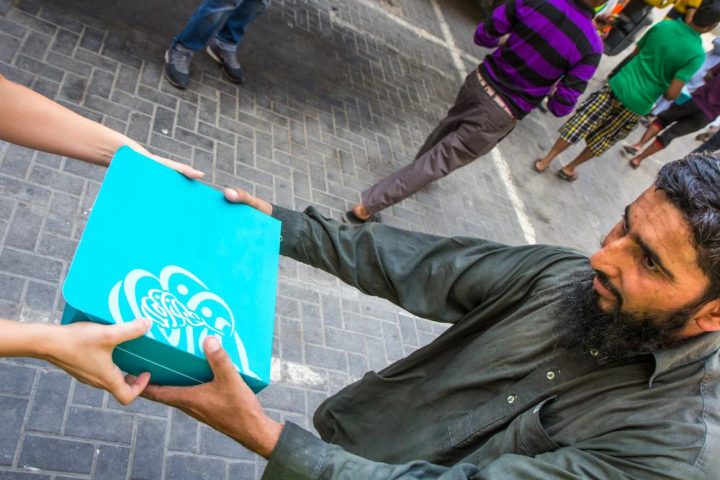
In modern times, charitable organizations play an important role in carrying out Qurbani. Many Muslims choose to donate funds to trusted charities that perform the sacrifice and distribute meat to struggling communities.
Through these programs, Qurbani on behalf of someone can reach people living in poverty, conflict zones, or disaster areas. Charitable organizations often ensure the sacrifice follows Islamic guidelines while also delivering food to families who rarely eat meat.
Another method of performing Qurbani for others involves requested Qurbani. In this case, someone asks another person to carry out the sacrifice on their behalf. The person performing the act serves as an agent. They may arrange the sacrifice directly or donate to a charity in the requester’s name.
Similarly, Muslims may gift the reward of Qurbani to another person without being asked. A believer might dedicate the spiritual reward of the sacrifice to a family member, a friend, or a deceased relative. This practice allows Muslims to share blessings and strengthen bonds within the community.
Shared Qurbani also offers another practical option. In many cases, seven people share the cost of sacrificing a cow or camel. Each participant receives a portion of the sacrifice in their own name. This arrangement helps make Qurbani affordable while still fulfilling religious obligations.
Ultimately, Qurbani on behalf of someone reflects the spirit of generosity that defines Eid ul-Adha. The practice allows Muslims to support one another while remembering the devotion of Prophet Ibrahim.
Through sacrifice, believers express gratitude to Allah, strengthen community unity, and bring relief to those facing hardship. Every act of Qurbani therefore becomes both an act of worship and an act of compassion.
As Eid ul-Adha approaches each year, many Muslims choose to expand their generosity by offering Qurbani for family members, loved ones, and those in need. In doing so, they follow a tradition rooted in faith, sacrifice, and mercy.