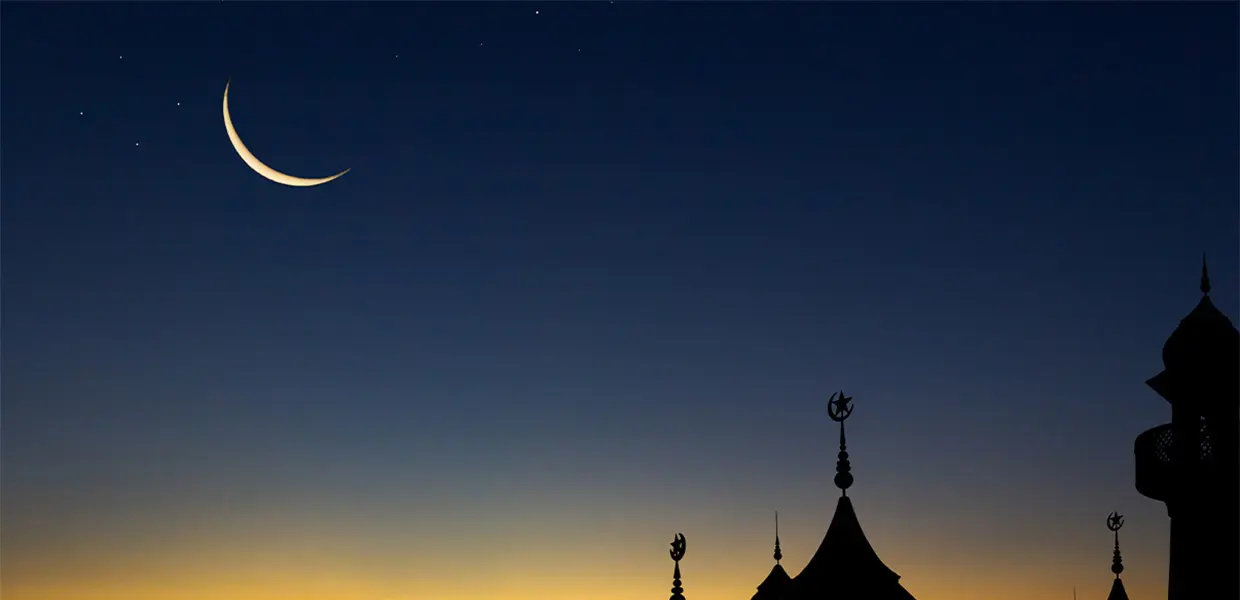
Accurate Eid dates depend on the Islamic lunar calendar and the sighting of the new moon. Because the Islamic calendar follows lunar cycles rather than the solar calendar, the exact day of Eid can vary each year and even differ between regions.
Muslims celebrate two major religious festivals each year: Eid ul-Fitr and Eid ul-Adha. Eid ul-Fitr marks the end of Ramadan, the month of fasting. Meanwhile, Eid ul-Adha occurs during the month of Dhul Hijjah and coincides with the annual pilgrimage of Hajj. Determining the accurate Eid dates for these celebrations requires understanding how the Islamic calendar works.
The Islamic calendar contains twelve lunar months. Each month begins when the new crescent moon becomes visible after sunset. Since a lunar cycle lasts about 29.5 days, Islamic months alternate between 29 and 30 days. As a result, the Islamic year is about 10 to 11 days shorter than the Gregorian calendar year.
Because of this difference, Eid dates move earlier each year in the Gregorian calendar. For example, Ramadan and Eid may occur in summer one year and in winter several years later. Therefore, calculating accurate Eid dates requires careful observation of the moon.
Traditionally, Muslims determine the beginning of a new month through physical moon sighting. Religious authorities look for the thin crescent moon shortly after sunset on the 29th day of the current lunar month. If observers sight the crescent, the next day becomes the first day of the new month.
However, if the moon remains invisible, the current month completes 30 days before the new month begins. This traditional method explains why accurate Eid dates sometimes differ between countries or communities.
In many Muslim-majority countries, official committees organize moon sighting efforts. Scholars, astronomers, and trained observers gather in locations with clear horizons to search for the crescent moon. These committees then announce the start of the new month after verifying credible sightings.
For example, Saudi Arabia, Indonesia, Pakistan, and Morocco all maintain national moon sighting authorities. Once these committees confirm the moon sighting, governments announce the official accurate Eid dates for the country.
However, differences sometimes occur between regions. Weather conditions, geographical location, and interpretation of sightings can influence when the crescent becomes visible. As a result, Muslims in different countries may celebrate Eid on different days.
For instance, communities in the Middle East might sight the moon earlier due to clear desert skies. Meanwhile, cloudy conditions in other regions may delay visibility. Consequently, determining accurate Eid dates can depend heavily on local conditions.
In recent decades, astronomical calculations have also helped predict potential moon sightings. Astronomers can calculate the position of the moon relative to the Earth and sun with great precision. These calculations estimate when and where the crescent moon should become visible.
Some Muslim scholars accept these astronomical predictions as a reliable method for determining accurate Eid dates. They argue that modern science provides precise tools that reduce uncertainty.
Other scholars, however, maintain that Islam requires physical moon sighting. They emphasize that Prophet Muhammad (peace be upon him) instructed Muslims to begin and end months based on observing the crescent moon.
A well-known hadith states: “Fast when you see it (the crescent) and break the fast when you see it.” Because of this guidance, many communities continue to rely on direct observation rather than calculations alone.
Today, many Islamic organizations combine both approaches. Astronomical calculations first determine whether moon sighting is possible in a given location. Then observers attempt to sight the crescent during the predicted window.
This method improves accuracy while still honoring traditional practice. Consequently, it helps communities confirm accurate Eid dates with greater confidence.
Another factor affecting Eid timing involves global versus local moon sighting. Some scholars believe Muslims worldwide should follow the first confirmed moon sighting anywhere on Earth. According to this view, once the crescent becomes visible in one region, all Muslims may begin the new month.
Other scholars argue that each region should rely on its own local moon sighting. They believe geographical differences justify different start dates for lunar months. This debate explains why accurate Eid dates sometimes vary between continents.
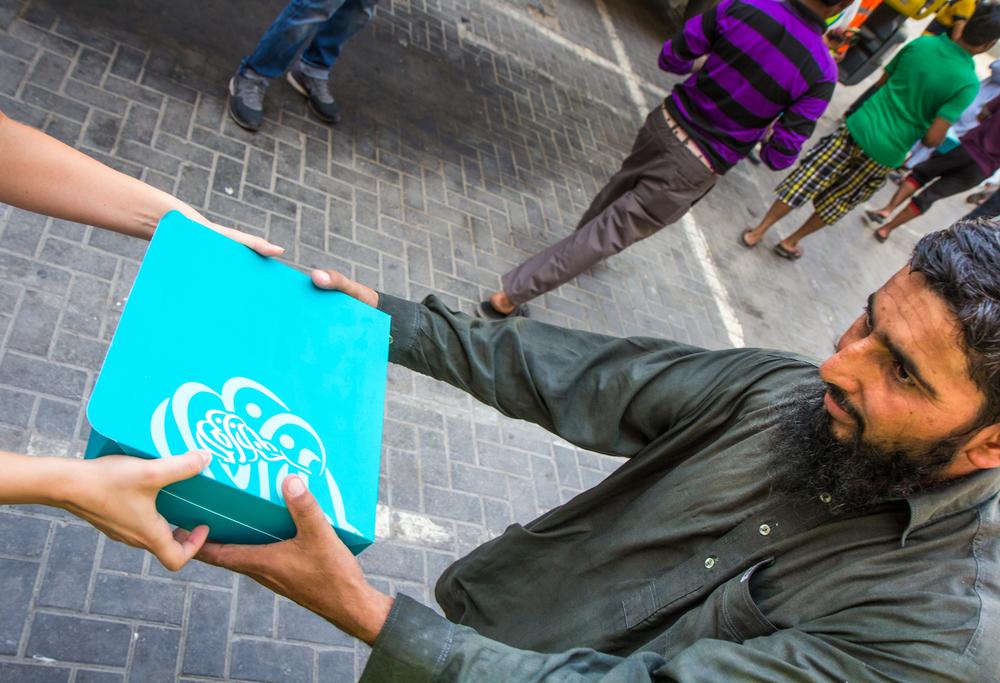
Despite these differences, the central purpose of Eid remains the same everywhere. The festival represents gratitude, community, and devotion to Allah. Muslims gather for special prayers, visit family members, share meals, and give charity to those in need.
Understanding how accurate Eid dates are determined helps explain why announcements often occur only hours before the celebration begins. Many communities wait for official confirmation of the moon sighting before declaring Eid.
This anticipation also adds a sense of excitement to the occasion. Families prepare for the possibility of Eid while waiting for the final announcement after sunset.
In many places today, mosques and Islamic councils release moon sighting updates through television, radio, and social media. As a result, communities quickly learn the confirmed accurate Eid dates.
While differences in timing sometimes occur, these variations reflect the diversity of the global Muslim community. The shared spiritual meaning of Eid remains constant regardless of the exact date.
Ultimately, determining accurate Eid dates involves a balance between faith, tradition, and scientific understanding. Moon sighting continues to connect modern Muslims with the same practice observed by early Islamic communities.
Through this centuries-old tradition, Muslims around the world mark the beginning of Eid with joy, unity, and renewed devotion.