Performing good deeds during Eid is an important way for Muslims to honor the spiritual meaning of this sacred celebration. Eid is not only a time for joy and gatherings but also a moment to express gratitude to Allah and strengthen bonds within the community.
Eid follows a period of deep worship and reflection and comes after the month of Ramadan, while Eid ul-Adha commemorates the devotion of Prophet Ibrahim. Therefore, Muslims are encouraged to continue acts of kindness, generosity, and devotion during the Eid period.
One of the most important good deeds during Eid is giving charity. Before the Eid prayer on Eid ul-Fitr, Muslims give Zakat al-Fitr to support the people whose income is below the poverty threshold and ensure that everyone can participate in the celebration. This charity allows struggling families to enjoy meals and share the happiness of Eid.
Beyond Zakat al-Fitr, Muslims often give additional charity during Eid. Many people donate money, food, or clothing to those facing hardship. Through these acts of generosity, Muslims demonstrate compassion and support for the less fortunate.
Another essential good deeds during Eid involves strengthening family relationships. Eid provides a special opportunity to visit relatives, reconnect with loved ones, and mend broken relationships. Islam strongly emphasizes maintaining family ties, and Eid serves as a perfect time to practice this value.
Many families travel long distances during Eid to visit parents, grandparents, and extended relatives. These visits create moments of unity and remind people of the importance of family in Islamic life.
Kindness toward neighbors is also encouraged during the Eid celebration. Muslims often share food with neighbors and friends as part of the festivities. This practice reflects the spirit of generosity that defines the holiday.
Greeting others warmly is another simple but meaningful good deeds during Eid. Muslims commonly exchange greetings such as “Eid Mubarak,” which means blessed Eid. These greetings spread joy and remind the community of shared faith and unity.
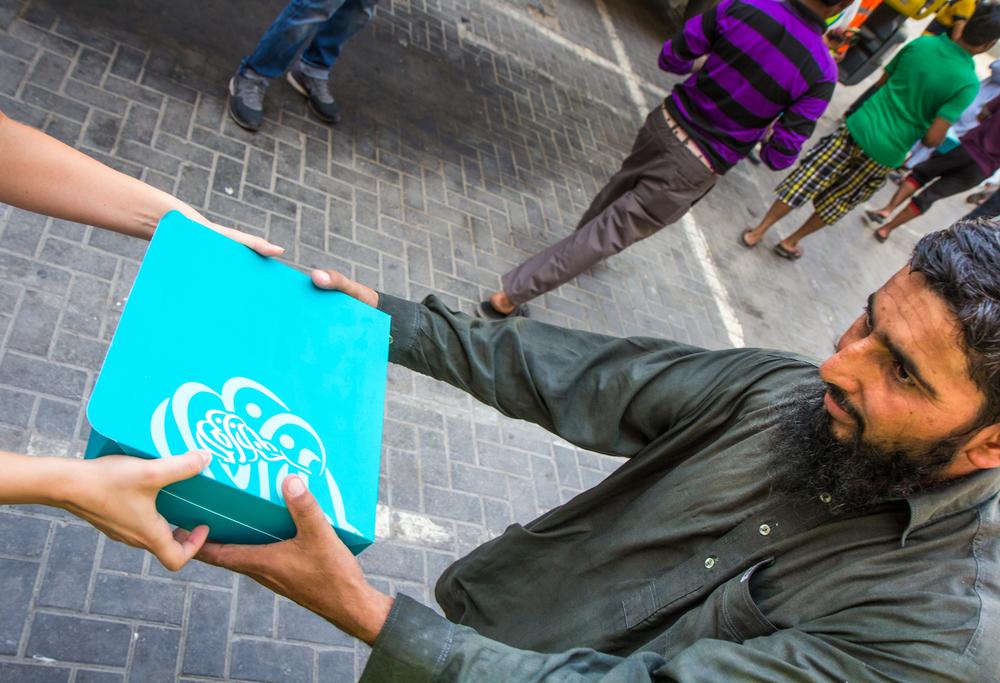
Helping those in need is another powerful way to perform good deeds during Eid. Many people volunteer their time to support charitable activities during the holiday. Some distribute food packages to vulnerable families, while others assist community members who need support.
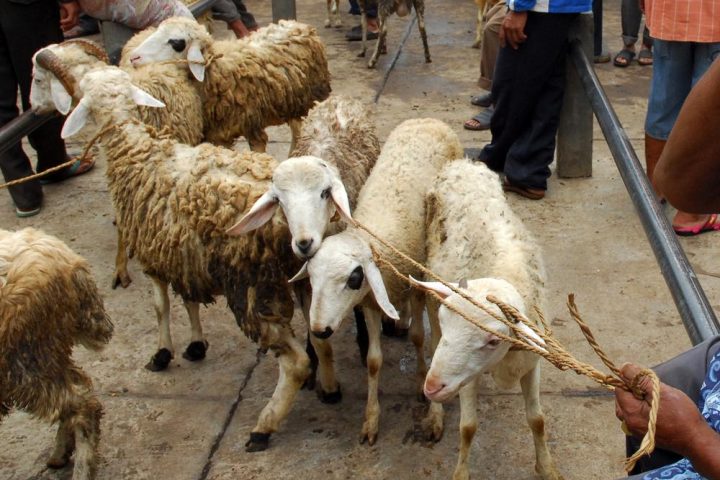
During Eid ul-Adha, the sacrifice of an animal represents one of the most significant acts of worship. Eligible Muslims perform Qurbani to commemorate the devotion of Prophet Ibrahim. After the sacrifice, the meat is shared among family members, friends, and the people with low-income.
This practice ensures that people facing poverty can also enjoy nutritious meals during the celebration. As a result, Qurbani becomes both a spiritual act and a humanitarian effort.
Expressing gratitude is another meaningful good deeds during Eid. Muslims thank Allah for blessings such as health, family, and guidance. Gratitude reminds believers to remain humble and appreciative of what they have.
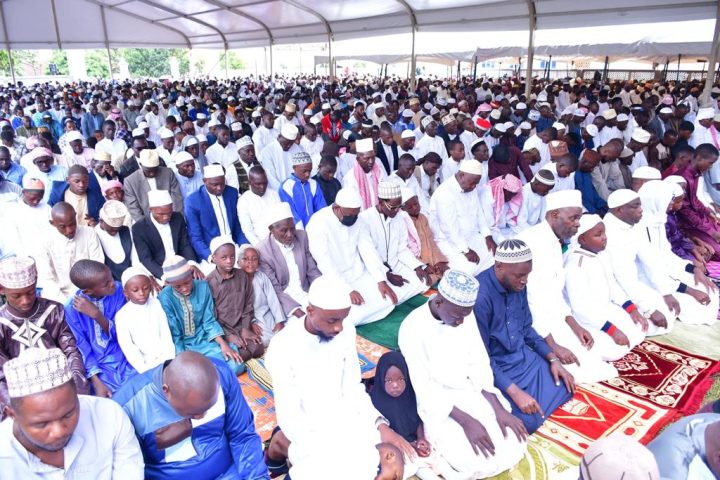
Many Muslims also increase their prayers during Eid. Although Eid itself is a celebration, it remains connected to spiritual devotion. Performing voluntary prayers, making supplications, and remembering Allah are all recommended actions during the Eid period.
Forgiveness also plays a major role in the spirit of Eid. Many Muslims take this time to forgive others and seek forgiveness themselves. Releasing grudges helps restore peace within families and communities.
Sharing food with others is another tradition associated with good deeds during Eid. Families often prepare large meals and invite guests to join the celebration. These gatherings encourage hospitality and generosity.
In many cultures, giving gifts to children is a beloved Eid tradition. Known as Eidiyah, these gifts bring happiness to younger members of the community. At the same time, they strengthen family bonds and create lasting memories.
Maintaining cleanliness and presenting oneself well is also considered a good practice during Eid. Muslims wear clean or new clothes, use pleasant fragrances, and prepare themselves respectfully for the Eid prayer.
Supporting the community represents another important way to practice good deeds during Eid. Community leaders often organize activities that help vulnerable people. These initiatives may include food distribution, charity drives, and outreach programs.
Acts of kindness during Eid extend beyond the Muslim community as well. Many Muslims share the spirit of the celebration with neighbors of other faiths. This openness helps build understanding and strengthen social harmony.
Another meaningful practice involves remembering those who are struggling around the world. Many Muslims use Eid as a moment to donate to humanitarian causes. These donations help provide food, healthcare, and shelter to people facing hardship.
Finally, spreading happiness becomes one of the simplest yet most impactful good deeds during Eid. A smile, kind words, or a thoughtful gesture can bring joy to others during the celebration.
Eid represents a time when faith, gratitude, and generosity come together. Muslims celebrate the holiday not only with food and gatherings but also with acts of compassion and kindness.
By practicing good deeds during Eid, believers strengthen their faith and contribute to the wellbeing of their communities. These actions remind everyone that the true spirit of Eid lies in generosity, unity, and devotion to Allah.