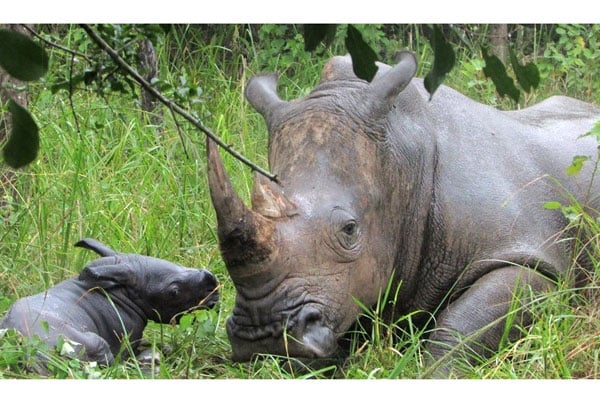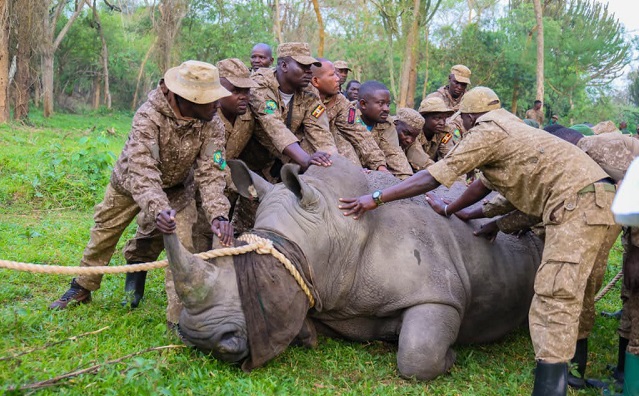
KAMPALA: Uganda on Tuesday launched a phased relocation of southern white rhinos to Kidepo Valley National Park in the country’s northeast. This marks their return more than 40 years after disappearing from the area. The Uganda Wildlife Authority said in a statement that the first two rhinos were successfully translocated from Ziwa Rhino Sanctuary in central Uganda. “The translocation of these rhinos is the first step in restoring a species that once formed part of the park’s natural heritage,” said James Musinguzi, executive director of UWA. He added that more rhinos will be introduced to rebuild a viable and thriving population.
Rhinos were wiped out due to intense poaching and insecurity in the late 1970s and early 1980s. The last rhino in the park was killed in 1983 in Narus Valley, according to UWA. The reintroduction is part of Uganda’s National Rhino Conservation Strategy. The plan aims to restore rhino populations within their historical range and strengthen long-term conservation efforts.
Rhino Recovery Efforts Since 2005
Uganda’s rhino recovery began in 2005 at Ziwa Rhino Sanctuary. This facility provided a safe breeding environment away from poaching threats. Recent imports of eight rhinos from South Africa have allowed restoration efforts to expand to new habitats. The additional animals increase the genetic diversity of Uganda’s rhino population.
The Uganda rhino reintroduction program represents years of planning and collaboration. Conservationists worked with international partners to secure funding and expertise. They also conducted habitat assessments to ensure Kidepo could support a healthy rhino population. The park offers suitable grazing and protection from poachers.
Kidepo Valley National Park
Kidepo Valley National Park lies in Uganda’s remote northeast corner. It borders South Sudan and Kenya, covering approximately 1,442 square kilometers. The park features savannah landscapes, mountain ranges, and seasonal rivers. It hosts diverse wildlife including elephants, lions, zebras, and over 470 bird species.
Tourism officials hope the Uganda rhino reintroduction will boost visitor numbers. Kidepo receives fewer tourists than Uganda’s more accessible parks. Its remote location requires charter flights or long drives from Kampala. However, the rhino return adds a major attraction to the park’s existing offerings.
Conservation Significance
Southern white rhinos are classified as near threatened by the International Union for Conservation of Nature. Poaching for their horns remains the primary threat to wild populations. Rhino horn trade fuels criminal networks across Africa and Asia. Conservation efforts focus on habitat protection and anti-poaching measures.
The Uganda rhino reintroduction contributes to regional conservation goals. East African countries collaborate on wildlife protection across borders. Healthy rhino populations support ecosystem balance and attract tourism revenue. They also represent cultural and natural heritage for future generations.
Security and Monitoring
UWA has strengthened anti-poaching measures in Kidepo ahead of the rhino arrivals. Rangers received additional training and equipment. Surveillance technology helps monitor wildlife movements and detect illegal activity. Community engagement programs build local support for conservation.
The translocated rhinos will undergo close monitoring during their adjustment period. Rangers will track their movements and health status daily. Veterinary support remains on standby for any medical needs. The success of this first group will guide future reintroductions.
Broader Conservation Context
Rhino populations declined dramatically across Africa during the 20th century. Poaching and habitat loss drove several subspecies to extinction. Conservation successes in recent decades have stabilized some populations. Southern white rhinos recovered from near extinction in South Africa through intensive protection.
Uganda’s approach combines sanctuary breeding with gradual wild releases. This method allows animals to adapt while remaining protected. The Ziwa sanctuary currently holds approximately 30 rhinos. Continued breeding and imports will support ongoing reintroduction efforts.
Economic and Tourism Impact
Wildlife tourism generates significant revenue for Uganda’s economy. Gorilla trekking in Bwindi Impenetrable National Park remains the flagship attraction. However, diversified wildlife experiences spread tourist traffic and benefits. The Uganda rhino reintroduction adds another premier wildlife experience to the country’s portfolio.
Tour operators expressed enthusiasm about the development. Rhinos consistently rank among the most sought-after animals for safari visitors. Kidepo’s combination of scenic beauty and wildlife diversity could attract longer stays. Local communities near the park stand to benefit from increased tourism spending.
Future Plans
UWA plans to translocate additional rhinos over the coming months. The agency aims to establish a breeding population of at least 20 animals in Kidepo. Long-term goals include expanding rhino range to other protected areas. Secure habitats and strong anti-poaching enforcement remain essential for success.
International partners continue supporting Uganda’s conservation vision. Technical assistance and funding flow through various conservation organizations. Genetic management ensures the population maintains healthy diversity. Ongoing research monitors ecological impacts and guides management decisions.
The Uganda rhino reintroduction marks a significant milestone in the country’s conservation history. Restoring a species after four decades requires sustained commitment and resources. Success will depend on continued protection, community support, and adaptive management. For now, conservationists celebrate this first step toward bringing rhinos back to their ancestral home.