To celebrate Eid in Kampala, Muslims gather for prayers, share meals, give charity, and spend time with family and friends. The celebration combines Islamic traditions with local Ugandan culture, creating a vibrant and joyful atmosphere across the city.
The day usually begins very early in the morning. Muslims wake up before sunrise to prepare for the special Eid prayer. Many people take a ritual bath, wear their best clothes, and prepare their families for the day. Wearing clean and often new clothes symbolizes renewal, gratitude, and respect for the sacred occasion.
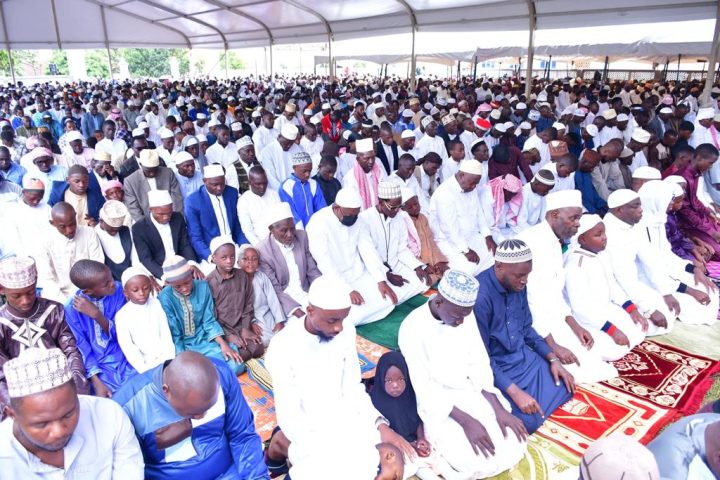
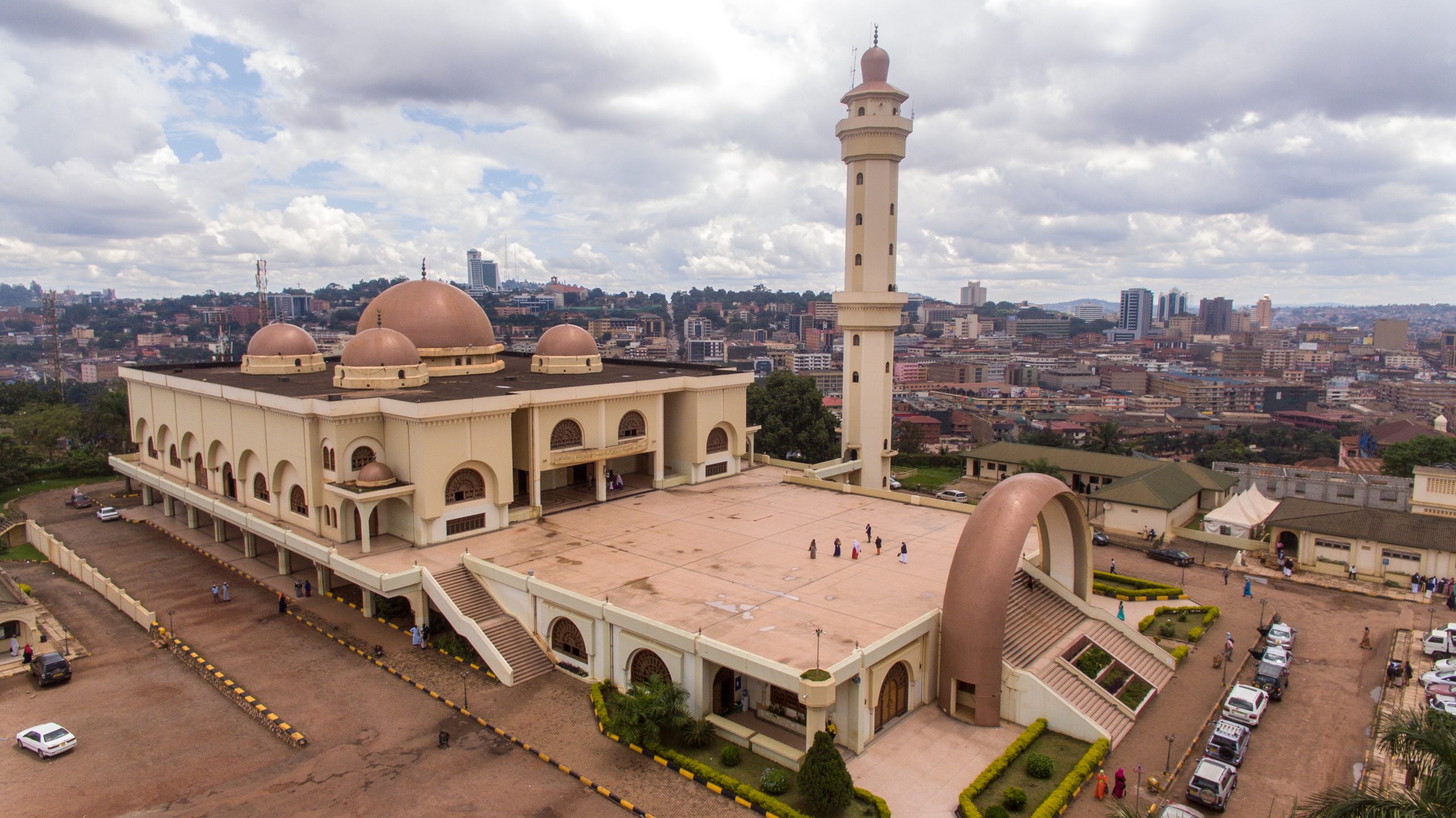
Shortly after sunrise, thousands of Muslims head to mosques and open prayer grounds across Kampala. Large congregational prayers take place at major mosques such as the Uganda National Mosque and Kibuli Mosque, as well as many neighborhood mosques across the city. The Eid prayer differs slightly from the regular daily prayers and is followed by a sermon that reminds believers about gratitude, unity, and compassion.
During the sermon, religious leaders often emphasize the spiritual meaning of Eid. They encourage Muslims to maintain strong faith, care for the less fortunate, and strengthen relationships within the community. After the prayer, people greet each other warmly with the phrase “Eid Mubarak,” which means blessed Eid.
Charity is a central part of how people celebrate Eid in Kampala. Before the Eid prayer, Muslims give a special form of charity called Zakat al-Fitr. This donation helps families who struggle financially so they can also enjoy the celebration. By giving charity, Muslims ensure that everyone in the community can share the joy of Eid.
Once the prayers end, families return home and the celebrations begin. Homes across Kampala fill with the smell of delicious traditional dishes. Many families prepare large meals to share with guests throughout the day.
Popular dishes often include pilau rice, roasted goat meat, chicken, chapati, samosas, and mandazi. Sweet drinks and desserts also appear on the table as families gather together. Food plays an important role when people celebrate Eid in Kampala because sharing meals strengthens relationships and spreads happiness.
Hospitality is another major part of the celebration. Families frequently receive visitors during Eid. Relatives, neighbors, and friends travel from house to house exchanging greetings and enjoying meals together. These visits often last throughout the day and sometimes continue into the evening.
Children look forward to Eid more than anyone else. Many parents and relatives give them small gifts or money known as Eidiyah. This tradition brings excitement and joy to younger members of the family. Children also enjoy wearing new clothes and visiting relatives during the celebration.
Community spirit becomes very visible during Eid in Kampala. Streets near mosques and residential neighborhoods fill with people greeting one another and celebrating together. Even those who are not Muslim often join their friends or neighbors to share food and greetings.
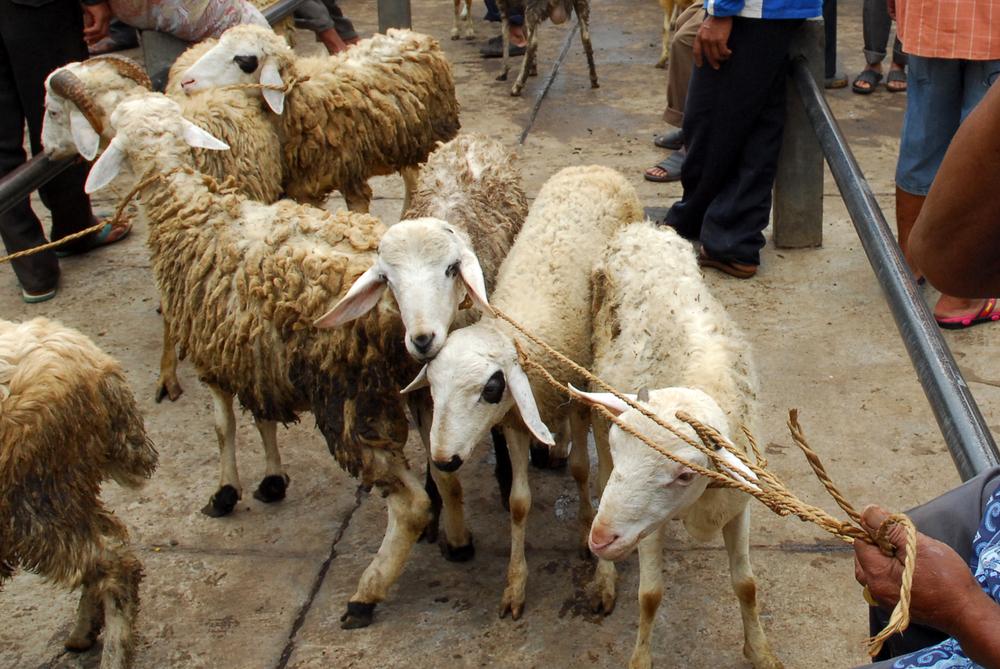
Another important tradition appears during Eid ul-Adha, the festival of sacrifice. On this occasion, eligible Muslims perform Qurbani by sacrificing animals such as goats, sheep, or cows. This act commemorates the devotion of Prophet Ibrahim and his willingness to obey Allah.
After the sacrifice, the meat divides into three portions. One portion goes to the family, another goes to relatives or friends, and the final portion goes to those in need. Through this practice, the celebration reaches even the most vulnerable members of society.
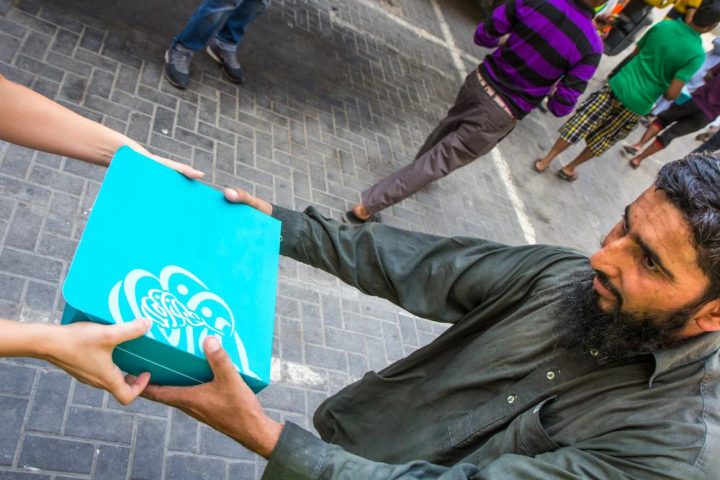
Many people celebrate Eid in Kampala by making sure that poor families receive food during the holiday. Some families personally distribute meat or food packages in their communities. Others donate to charitable organizations that distribute food to people facing hardship.
Markets across Kampala also experience increased activity before Eid. In the days leading up to the celebration, people buy new clothes, food ingredients, and gifts for family members. Tailors work long hours to finish clothing orders while food vendors prepare for the large demand.
For many families, Eid also provides an opportunity to strengthen family bonds. People travel across the city or even from other districts to visit parents, grandparents, and relatives. These gatherings often become emotional moments where families reconnect and share stories.
Respect for elders also plays an important role in the celebration. Younger family members often visit older relatives first to offer greetings and prayers. In return, elders offer blessings and advice for the future.
The celebration also highlights the peaceful coexistence of different communities within Kampala. Non-Muslim neighbors often visit Muslim friends to congratulate them and share in the festive meals. These interactions strengthen friendship and mutual respect across religious lines.
Despite the festive atmosphere, the spiritual meaning of Eid remains central. Muslims remember that the celebration follows a period of devotion and worship. For Eid ul-Fitr, the festival comes after the month of fasting during Ramadan. For Eid ul-Adha, the celebration connects to the pilgrimage of Hajj and the story of Prophet Ibrahim.
Therefore, to celebrate Eid in Kampala means balancing joy with gratitude. Muslims celebrate with food, family, and generosity while remembering the deeper spiritual lessons behind the occasion.
Throughout the city, Eid becomes a day filled with prayer, charity, and celebration. Families reconnect, communities unite, and people share kindness with those around them.
In the end, the true beauty of celebrate Eid in Kampala lies in its ability to bring people together. Through faith, generosity, and unity, the celebration turns an ordinary day into a powerful expression of community and devotion.