The Uganda Local Government Workers Union is calling on the government to increase salaries for local government employees in the upcoming 2026/27 financial year. The demand comes after years of stagnant pay while living costs have risen substantially. Union leaders warn that workers may resort to strike action if the government fails to address their concerns.
In October 2025, civil servants staged a strike demanding salary enhancements across multiple sectors. The industrial action was suspended after the Speaker of Parliament, Annet Anitah Among, addressed the workers and teacher and vocational training staff on October 8. She cited concerns that a strike could interfere with ongoing presidential campaigns, prompting a temporary halt to the protest.
Hassan Lwabayi Mudiba, General Secretary of the union, explained the history of the salary issue. The government agreed in 2018 to implement salary enhancements in phases due to limited resources. However, while other sectors have received incremental increases over the years, local government employees have largely been left out of these adjustments.
Working Conditions and Stagnation
Lwabayi highlighted the difficult working conditions local government staff face daily. Many employees have received the same pay for six to fifteen years despite rapidly rising living costs. Inflation has eroded purchasing power, leaving workers struggling to meet basic needs. The disconnect between salaries and economic reality creates increasing frustration among union members.
“Workers are not happy. They are suffering and have been patient while working under very hard conditions,” Lwabayi said. He warned that patience has limits. “If the government does not provide a clear program for salary enhancement, we fear they may go on strike.” The threat carries weight given the essential services local government workers provide.
The fact that Local Government workers seek salary increment now reflects broader economic pressures across Uganda. Food prices, transportation costs, and housing expenses have all increased significantly. Workers who could previously manage on their salaries now find themselves unable to make ends meet. The situation becomes more acute for those with families to support.
Disparity Between Sectors
Akena Lamex Lambert, Workers’ Councilor 5 for Gulu City, emphasized the unfairness of selective salary adjustments. He noted that other sectors, such as science teachers, have received pay increases in recent years. Local government staff should not be left behind while colleagues in other areas see their compensation improve.
“The cost of living has gone up, and salaries need to reflect that,” Lambert said. “If other sectors are receiving enhancements, it should apply across the board. Everyone deserves fair compensation.” His comments highlight the perception of inequity in how the government allocates wage bill increases.
The current salary structure affects multiple categories of local government employees. Those awaiting potential increases include Deputy Chief Administrative Officers, Town Clerks, City Town Clerks, principal officers, entry officers, and support staff. Each category has seen its real income decline as inflation outpaces static wages.
Budget Implications
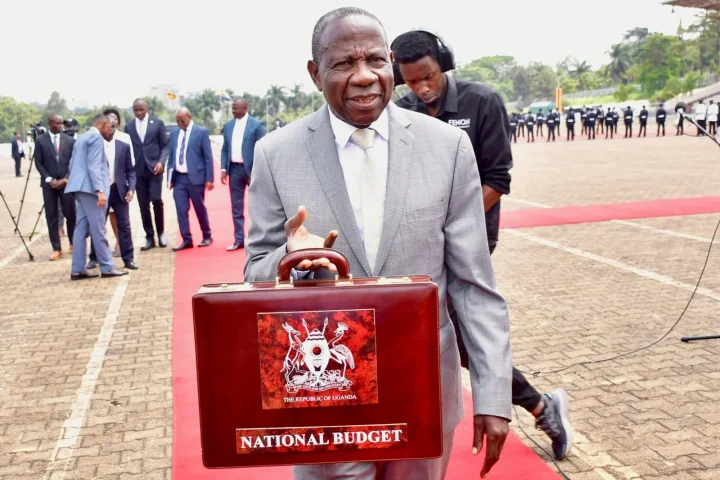
The demand for salary increases comes as the government prepares the 2026/27 budget. Finance officials must balance competing priorities including infrastructure, health, education, and security. The wage bill already consumes a significant portion of recurrent expenditure. Adding local government salaries would require either reallocating funds or increasing overall spending.
Union leaders acknowledge the resource constraints the government faces. The 2018 agreement recognized that full implementation of salary enhancements would require phased approaches. However, they argue that local government cannot be permanently excluded from those phases while other sectors move forward.
Treasury officials will need to model the fiscal impact of meeting these demands. They must consider not only the direct cost of salary increases but also ripple effects. Other unions may press for comparable adjustments if local government workers receive raises. The cumulative effect could strain budget targets.
Strike Threat
The possibility of renewed strike action looms over budget negotiations. The October 2025 strike demonstrated workers’ willingness to disrupt services when demands go unmet. Schools closed, offices emptied, and public services ground to a halt. The economic impact of another strike could exceed the cost of salary increases.
Speaker Among’s intervention temporarily defused the situation last year. However, her involvement addressed immediate concerns without resolving underlying issues. Workers returned to their posts but did not receive the salary enhancements they sought. The same frustrations that fueled the October strike remain unaddressed.
Union leadership now signals that patience is exhausted. The threat of strike action serves as leverage in budget discussions. If the 2026/27 budget does not include provisions for local government salaries, workers may feel they have no alternative but to demonstrate their displeasure again.
Government Response
The government has not yet formally responded to the union’s latest demands. Ministry of Public Service officials typically engage with unions during budget formulation. Discussions about wage bill allocation occur behind closed doors before public announcements. The outcome of these negotiations will determine whether conflict escalates or resolves.
Parliament will play a crucial role in the process. The Budget Committee reviews spending proposals and recommends allocations. Individual MPs hear from constituents affected by salary stagnation. The Speaker’s previous involvement suggests parliamentary leadership recognizes the political sensitivity of the issue.
When Local Government workers seek salary increment, they also seek recognition of their essential role. These employees deliver services that citizens encounter daily. They process permits, collect revenue, maintain records, and coordinate development activities. Their work directly affects how Ugandans experience government.
Economic Context
Uganda’s economy has shown resilience despite global pressures. Growth continues at moderate rates, and revenue collection has improved. However, inflation has eroded household purchasing power across all income levels. Workers feel the pinch most acutely when wages fail to keep pace with price increases.
The government faces its own fiscal constraints. Debt service obligations consume significant resources. Infrastructure projects require continued investment. Social programs demand funding. The wage bill competes with these priorities for limited budget space.
Union leaders argue that fair compensation for workers should rank among top priorities. A motivated workforce delivers better services. Better services improve citizen satisfaction and economic productivity. The benefits of salary increases extend beyond individual workers to the entire society.
Looking Ahead
The coming months will determine whether Local Government workers seek salary increment successfully or whether frustration builds toward another strike. Budget presentations in Parliament will reveal whether the government has allocated funds for this purpose. Union meetings will gauge member sentiment and readiness for action.
For workers like those Lambert represents in Gulu, the issue is personal. They face daily choices about what expenses to prioritize. They watch prices rise while their incomes remain flat. They compare their situations to colleagues in other sectors who have received raises. They wonder whether their service to community and country will ever be properly valued.
The answer will come in the 2026/27 budget. If it includes meaningful salary enhancements, workers may feel heard and valued. If it does not, the threat of renewed strike action may become reality. Either way, the issue will not simply disappear. Local Government workers seek salary increment because they must, and they will keep seeking until they receive what they deserve.