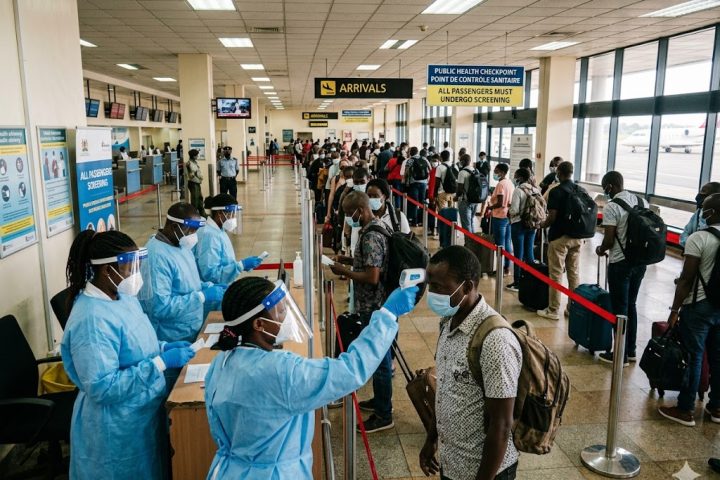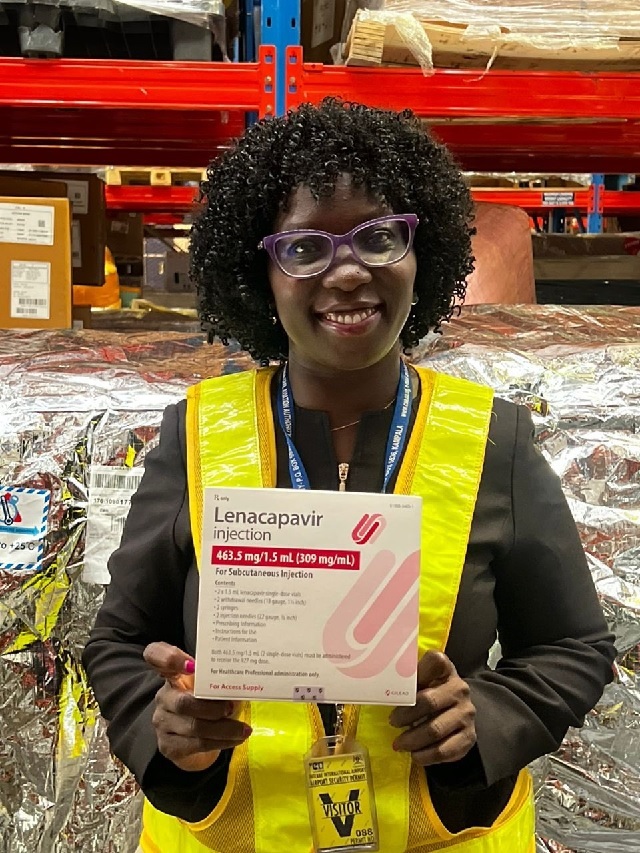
An initial consignment of 19,200 doses of Lenacapavir, a six-monthly HIV prevention injection drug, has arrived in Uganda. The delivery marks a major milestone in the country’s HIV prevention efforts. The Uganda HIV prevention drug arrival follows approval by the National Drug Authority in January. The Global Fund donated the consignment worth approximately $1.1 million.
Lenacapavir demonstrated high effectiveness as pre-exposure prophylaxis (PrEP) in clinical trials conducted among adolescent girls and young women in Uganda and South Africa. Following these results, Uganda was earmarked to receive donated doses this month. The country now ranks among the first beneficiaries of this innovative prevention tool.
Distribution Plans
The Ministry of Health plans to start distribution in high-burden and high-incidence districts next month in March. Initial rollout targets areas with the greatest need for enhanced HIV prevention options. The Uganda HIV prevention drug will first reach populations most vulnerable to infection.
Health officials will work with district teams to ensure proper storage and handling. Lenacapavir requires cold chain maintenance to preserve effectiveness. Training for healthcare workers on administration protocols will accompany distribution.
The Global Fund plans to supply 36,000 doses to nine health facilities during the first quarter of 2026. This represents phased introduction rather than immediate nationwide availability. The approach allows for monitoring and adjustment before broader scale-up.
Activist Concerns
While plans proceed, activists have raised concerns about potential access challenges. Kuraish Mubiru, Executive Director of Uganda Young Positives, warned that the entire Global Fund donation would cover only about 10,000 doses. This falls far below the country’s needs given that Uganda records up to 1,000 new HIV infections every week.
The Uganda HIV prevention drug donation represents important progress but insufficient volume. Activists emphasize the gap between available doses and actual demand. Scale-up will require additional resources beyond current donations.
Flavia Kyomukama, Executive Director of NAFOPHANU, noted that the United States government has committed to providing an additional 200,000 doses. However, she stressed that Uganda must also invest domestic resources to ensure sustainable access for those who need the drug most. Reliance on donor funding creates long-term uncertainty.
Target Populations
Kyomukama cautioned that Lenacapavir is intended for individuals at highest risk. Target groups include sex workers, boda boda riders, long-distance truck drivers and people in HIV-discordant relationships. Clear communication will be critical to prevent misuse or inappropriate demand once rolled out.
The Uganda HIV prevention drug must reach those who benefit most from its protection. Targeting requires effective identification and engagement of key populations. Stigma and discrimination may complicate outreach to some groups.
Healthcare workers need guidance on eligibility criteria and counseling protocols. Proper targeting maximizes public health impact while ensuring efficient resource use. The Ministry of Health will develop implementation guidelines accordingly.
Comparison with Existing Options
Uganda has already introduced another long-acting injectable PrEP option called Cabotegravir. This requires more frequent dosing with two initial injections four weeks apart followed by injections every two months. The dosing schedule demands more frequent clinic visits.
Lenacapavir offers administration only twice yearly, making it a more convenient alternative. Individuals who struggle with daily pills or frequent clinic visits may find this option preferable. The Uganda HIV prevention drug expands choice within the prevention toolkit.
Different patients have different preferences and circumstances affecting adherence. Offering multiple options increases likelihood that individuals find a regimen they can maintain consistently. Choice supports better prevention outcomes.
Clinical Trial Results
Lenacapavir demonstrated high effectiveness in clinical trials conducted among adolescent girls and young women in Uganda and South Africa. These populations face elevated HIV risk and need effective prevention options. Trial results supported regulatory approval and global recommendations.
The evidence base gives confidence in the drug’s safety and efficacy. Regulatory authorities in multiple countries have now approved Lenacapavir for PrEP. Uganda’s early adoption reflects responsiveness to scientific advances.
Ongoing research will continue monitoring real-world effectiveness. Post-marketing surveillance captures information about rare side effects and long-term outcomes. The Uganda HIV prevention drug rollout will contribute to this global evidence base.
Health System Readiness
Introducing a new prevention modality requires health system preparation. Cold chain capacity must accommodate additional products. Healthcare workers need training on administration techniques and counseling. Monitoring systems must track distribution and outcomes.
The phased approach allows for learning and adjustment. Initial sites can identify challenges before nationwide expansion. Lessons from early implementation inform subsequent scale-up. The Uganda HIV prevention drug introduction follows this deliberate path.
Supply chain management ensures consistent product availability. Stockouts undermine prevention efforts and user confidence. Coordination between central medical stores and health facilities maintains continuity.
Sustainability Questions
The current donation covers initial doses but long-term sustainability remains uncertain. Kyomukama emphasized the need for domestic resource investment. Uganda must plan for eventual transition from donor support to self-financing.
The Uganda HIV prevention drug represents a significant per-dose cost compared to oral PrEP. Budgetary implications require careful consideration. Cost-effectiveness analysis will inform resource allocation decisions.
Advocates will press for continued international support while urging domestic commitment. The dual approach maximizes chances of sustainable access. Planning now prevents disruption when donations eventually decrease.
Community Engagement
Successful rollout requires community engagement and education. Potential users need accurate information about the new option. Misinformation could undermine uptake or lead to inappropriate use. The Uganda HIV prevention drug introduction includes communication components.
Peer educators and community health workers play crucial roles. They reach populations that formal health systems may miss. Trusted messengers can address concerns and encourage adoption. Community ownership supports program success.
Feedback mechanisms allow users to report experiences and challenges. This information helps refine implementation and address emerging issues. Responsive programming adapts to user needs over time.
Global Context
Uganda joins a small group of early adopters for Lenacapavir PrEP. The country’s inclusion reflects strong partnerships with Global Fund and other supporters. Uganda HIV prevention drug access demonstrates effective international collaboration.
Global HIV prevention goals require expanding options and coverage. New tools like Lenacapavir complement existing methods. Combined approaches address diverse needs and circumstances.
The donation program will generate evidence for broader scale-up. Experiences in Uganda and other early adopter countries inform global policy. Lessons learned benefit future implementation worldwide.
Next Steps
Distribution begins in March targeting high-burden districts. Health facilities will receive supplies and begin offering the new option. Training and preparation work precedes actual administration.
Monitoring systems will track uptake, adherence and outcomes. This information guides ongoing implementation decisions. The Uganda HIV prevention drug rollout contributes to national prevention targets.
Additional doses from the US government commitment will follow. Planning for this expanded supply begins now. Coordination between partners ensures seamless transition.
For now, Uganda celebrates arrival of a powerful new prevention tool. The 19,200 doses represent hope for reduced infections among those most at risk. The Uganda HIV prevention drug adds to the country’s comprehensive HIV response.