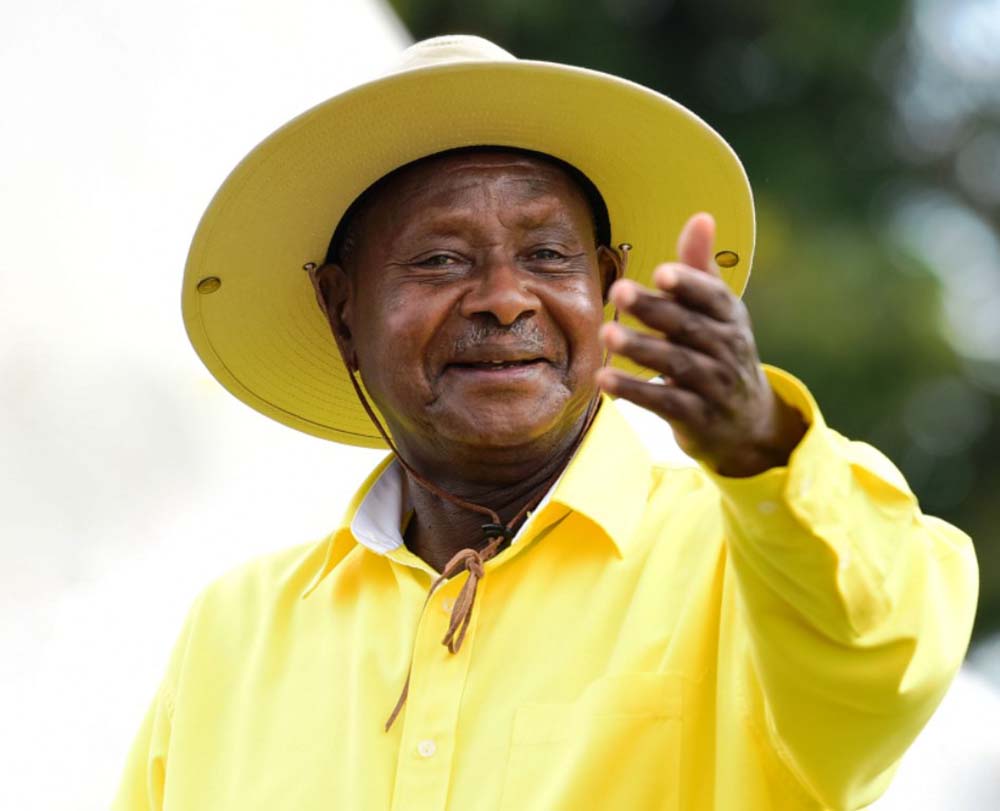
The National Resistance Movement (NRM) has ruled Uganda for four decades. When President Yoweri Museveni and his National Resistance Army (NRA) captured Kampala on January 26, 1986, they promised a “fundamental change.” This change aimed to end years of coups, economic decline, and state violence. Forty years later, the NRM remains in power, making it one of Africa’s longest-ruling political movements. Museveni has become Uganda’s most consequential post-independence leader. He reaffirmed his grip on power in the recent January 15 presidential election, securing a seventh term with 71.65% of the vote.
The NRM has made significant progress in Uganda’s economy. The country has experienced resilient economic growth, largely driven by oil and gas production. Recently, the International Monetary Fund (IMF) ranked Uganda as one of the world’s fastest-growing economies. The GDP is projected to grow by 7% in the 2025/2026 financial year. In 2026, Uganda expects double-digit growth, with a 10.4% increase. This growth should continue as oil production begins in 2026.
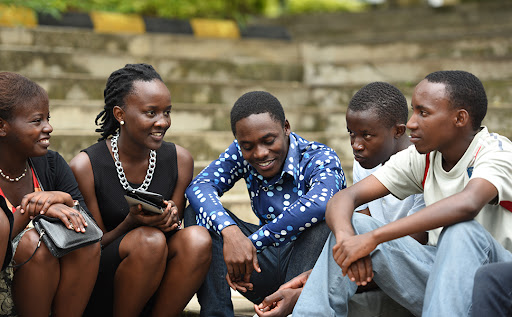
In terms of education, the NRM has made strides. The introduction of Universal Primary Education (UPE) in 1997 led to a dramatic increase in primary school enrolment. By 1997, more than 5.3 million children attended school, and by the early 2000s, the number surpassed 8 million. The government later introduced Universal Secondary Education (USE), expanding education access further. University enrolment has grown from 5,390 in 1986 to over 2 million in 2025. Uganda now has 12 public universities and many private ones.
Uganda’s infrastructure has also improved under the NRM government. The country has expanded its road network significantly. Projects like the Kampala–Entebbe Expressway and the Jinja–Kampala highway upgrades have improved transport and trade. The energy sector has also grown, with electricity generation rising from 150 megawatts in 1986 to over 2,000 megawatts today. These investments have boosted economic activity, especially in agriculture and trade.
However, challenges persist. Corruption continues to drain public resources. The most recent report by the Inspector General of Government (IGG) revealed that Uganda loses about Shs9.1 trillion annually to graft. High-profile cases, such as the Temangalo land saga and the Karamoja iron sheets scandal, highlight the ongoing problem. Corruption erodes public trust and diverts resources from critical sectors like health and education.
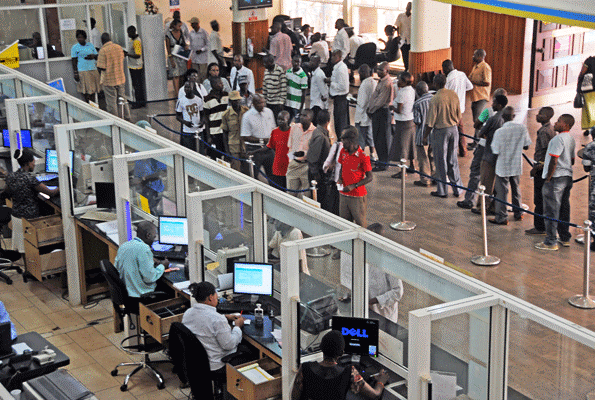
Unemployment remains another significant challenge. Despite improvements in education, Uganda struggles to absorb the growing number of graduates. Around 700,000 students graduate from universities each year, but only a fraction find formal employment. The national unemployment rate stands at 12.3%, with approximately 1.4 million people aged 15 and above actively seeking work.
The political landscape under the NRM has sparked controversy. The removal of presidential term limits in 2005 allowed Museveni to extend his rule indefinitely. Critics argue that this change led to autocratic rule. While Uganda has held regular elections, many have questioned their credibility. Opposition candidates have often accused the government of rigging votes and using state resources to suppress dissent. Prominent opposition leaders, such as Bobi Wine and Kizza Besigye, have faced harassment and arrests.
In education, although UPE and USE have expanded enrolment, quality remains an issue. Overcrowded classrooms and insufficient teaching materials continue to affect education standards. Teacher strikes are common, and schools, particularly in rural areas, suffer from poor infrastructure. In the health sector, Uganda faces shortages of medical personnel, inadequate facilities, and stock-outs of essential drugs. Despite efforts to improve healthcare, maternal and child mortality rates remain high.
Poverty continues to be a persistent issue, especially in rural areas. Although the national poverty rate decreased from 20.3% in 2019/2020 to 16.1% in 2023/2024, millions of Ugandans still live below the poverty line. Rural areas suffer the most, with the poverty rate at 19.4%, compared to 10.3% in urban centres. Karamoja, in particular, remains the poorest region, with a poverty rate of 74.2%.
In conclusion, the NRM’s 40-year rule has left a lasting impact on Uganda. While there have been significant gains in infrastructure, education, and economic growth, many challenges remain. Corruption, unemployment, political intolerance, and gaps in healthcare and education continue to hinder progress. As Uganda moves forward, the key question is whether the NRM can adapt to a rapidly changing society and manage the necessary political and institutional transitions.