The rapid expansion of data centres is fundamentally reshaping Africa’s power markets and digital trajectory. From Johannesburg to Kampala, this infrastructure is becoming a major new source of electricity demand, rivaling traditional sectors. Data centres require large volumes of reliable, uninterrupted power, making them a distinctive and attractive customer for often fragile grids. Consequently, their growth is redirecting investment, strengthening the case for new generation capacity, and placing electricity at the center of the continent’s digital ambitions. This shift mirrors a global trend but is particularly consequential in Africa, where digital adoption is accelerating from a low base.
According to the African Energy Chamber, data centres are poised to become a transformative force. Their predictable, long-term power demand can anchor new power plants and justify grid upgrades. Markets like South Africa, Kenya, Nigeria, and Egypt are already experiencing this momentum, driven by cloud services, fintech, and government digitization. However, significant structural hurdles remain, including power outages, grid congestion, and policy gaps. The success of Africa’s digital economy is now inextricably linked to the strength and reliability of its power infrastructure, making data centres a critical nexus between energy and technology.
Driving Demand for Reliable and Sustainable Power
Data centres are uniquely demanding electricity consumers. They operate 24/7 and require near-perfect uptime, making power reliability non-negotiable. This characteristic makes them unusually attractive to utilities and independent power producers seeking stable, long-term offtake agreements. In markets where utilities struggle with revenue certainty, data centres offer rare financial stability, helping to bankroll new generation projects and transmission investments. Their presence is thus a catalyst for broader grid improvement.
Furthermore, large data centre operators are increasingly prioritizing sustainability. To meet corporate environmental goals and reduce exposure to volatile fossil fuel prices, they are accelerating investment in renewable energy procurement, battery storage, and energy-efficient cooling technologies. This trend aligns with and potentially accelerates Africa’s own energy transition. By creating a concentrated, high-value demand for clean power, data centres can make utility-scale solar and wind projects more financially viable, benefiting the entire energy ecosystem.
Regional Hubs and Case Studies: South Africa to Uganda
South Africa exemplifies a mature market. It hosts cloud zones from Microsoft and Amazon Web Services, with utilization rates exceeding eighty percent. Demand is concentrated in Johannesburg and Cape Town, and growth is projected to remain strong. Kenya is East Africa’s fastest-growing hub, supported by proactive digital policies and projects like the Konza National Data Centre. Its market could grow thirty percent annually, hosting over one hundred fifty megawatts of capacity by 2030.
Uganda presents a revealing case study of opportunities and constraints. The country’s Data Protection and Privacy Act of 2019 mandates local data storage, sharply increasing demand for domestic data centre capacity. Cloud computing has grown over thirty percent in three years. However, unreliable electricity remains a critical constraint. Businesses face pricing uncertainty and frequent outages, forcing reliance on expensive diesel backup generators. This undermines sustainability and raises costs, highlighting the direct link between power sector reform and digital competitiveness.
Structural Challenges and the Need for Coordinated Policy
The promise of data centre-driven growth faces serious headwinds. Across much of Africa, electricity supply is uneven, marked by outages, limited redundancy, and grid congestion. Without reliable power, digital infrastructure cannot function. There are also significant policy and regulatory gaps. Sustainable growth requires coordinated frameworks covering power, telecoms, land use, and investment incentives. Regional collaboration is becoming crucial as cloud providers adopt pan-African strategies.
Historically, Africa’s digital demand was often served by European data centres. Rising latency requirements and data sovereignty laws are making this model obsolete, forcing global cloud players to establish a local presence. This shift accelerates demand for domestic data centre capacity but also intensifies pressure on local power systems. Governments must therefore view energy and digital policy as intertwined, investing in grid modernization and creating attractive environments for both data centre operators and power developers.
Economic and Social Impacts Beyond Energy
The impact of data centres extends far beyond the energy sector. They support direct and indirect job creation, foster local technology ecosystems, and help African economies compete in global digital markets. By providing the backbone for cloud-based services, they advance public services, financial inclusion, education, and healthcare. Local data storage also enhances cybersecurity and data privacy for citizens and businesses.
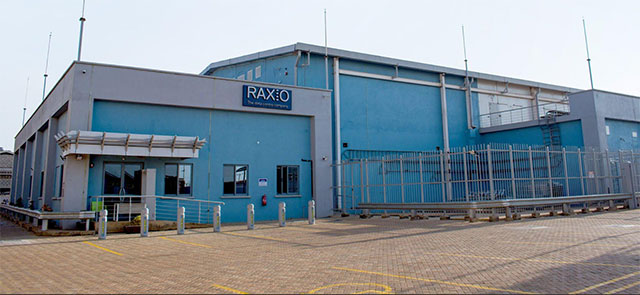
For many companies, the high capital cost of building private data centres is prohibitive. This pushes demand toward colocation and managed services offered by firms like Uganda’s Raxio Data Centre. These providers invest in the required power, cooling, and security infrastructure, allowing businesses to leverage enterprise-grade digital infrastructure without the massive upfront cost. This model is vital for spreading the benefits of digitization across the economy.
A Pivotal Moment for Africa’s Development
The intersection of data centres and power represents a pivotal moment for Africa. The continent’s digital future will be built as much in power plants and substations as in servers and software. Getting electricity right is now the single most important factor in determining whether data centres become a catalyst for inclusive growth or a missed opportunity. The growth trajectory is clear; by 2030, global data centre power demand for IT equipment could approach two hundred fifty gigawatts, and Africa is firmly part of that expansion.
The message from industry leaders is unambiguous. As Caroline Kamaitha of Raxio Data Centre Uganda stated, data centres are the backbone of the internet and cloud services. Their successful integration into Africa’s energy landscape requires unprecedented collaboration between technology companies, energy providers, policymakers, and investors. The reward for getting it right is a more competitive, digitally empowered, and economically resilient Africa.